
Cracks And Holes? When Drywall Installation Becomes Necessary
If you see bubbling, soft spots, or repeated patch failures on your walls, the fix might not be paint. This guide explains when drywall repair is enough and when full drywall installation is the cleaner, longer-lasting approach.
You notice a crack near a door and, after a quick patch, it comes back. Or you find a small hole from a doorknob bump and wonder why the wall feels rough even after sanding. In Allen, TX, where homes can deal with seasonal humidity swings and shifting temperatures, those “minor” wall issues can turn into a frustrating cycle of repainting.
This guide helps you understand what drywall problems are actually telling you, what to check before you buy materials, and how to decide whether you need drywall patching, drywall repair, or drywall installation. You will also get a practical checklist to help you communicate clearly with a pro.
- Quick answer
- What to check first
- Main things customers should understand
- Why this matters in Allen, TX
- Common mistakes to avoid
- Customer checklist
- Frequently asked questions
Quick Answer
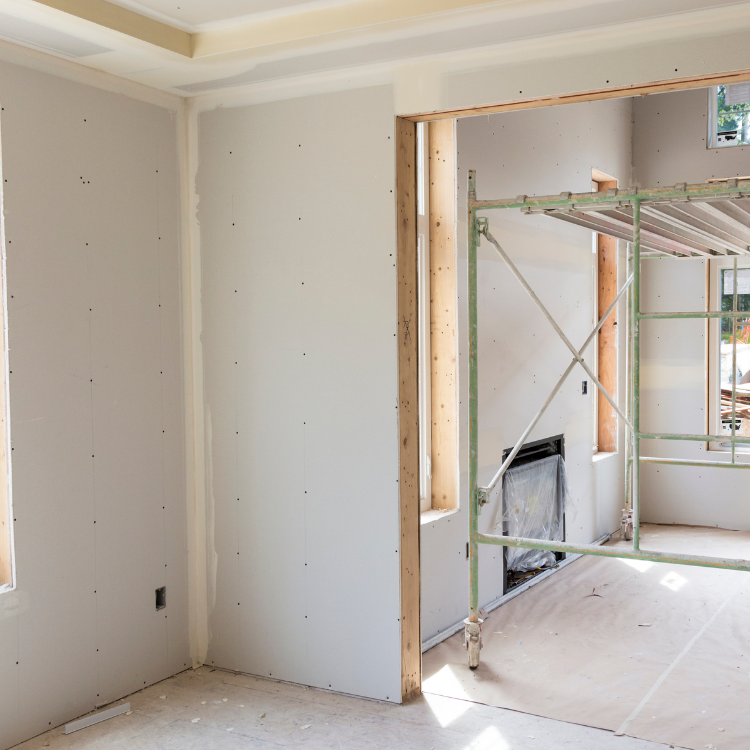
If you can scrape back loose material and the drywall surface is still solid, drywall repair or drywall patching is often the right starting point. Drywall installation becomes necessary when the area is soft, crumbling, water-damaged, or repeatedly failing after patching because the underlying board or framing is compromised. A practical recommendation: test the wall by checking for soft spots, bubbling paint, and loose edges, then match the solution to what you find. If you are unsure, have a contractor inspect the wall before repainting so you do not hide a problem that will return.
What to Check First
Before you decide between a patch and full drywall installation, do a quick, careful inspection. The goal is to find out whether the issue is cosmetic (surface-level) or structural (board or framing).
Look for loose edges
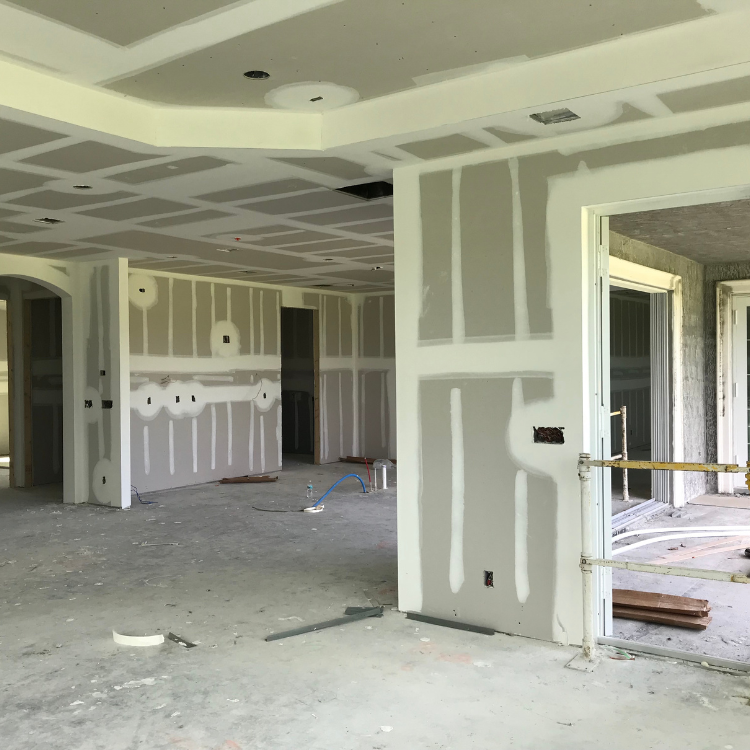
Gently press around the crack, hole, or seam. If it flexes, flakes, or feels hollow, the board may need more than topping compound.
Check for moisture clues
Watch for bubbling paint, staining, or a musty smell. Water-softened drywall often requires replacement rather than repeated patching.
Inspect the crack pattern
Hairline cracking near trim can be movement or caulking issues. Wider gaps that re-open usually point to board damage or framing movement.
Once you know the wall is stable, you can think about finishing. If you are planning changes to the look after repairs, MJ Workforce Solutions can help coordinate the right follow-up work, including interior painting and detailed surface preparation.
If the issue is around cabinets or built-ins in your home, you may also need a different approach before painting. For example, MJ Workforce Solutions offers cabinet painting in Allen that considers prep work and adhesion needs after repairs.
Main Things Customers Should Understand
Drywall installation is not a “bigger hammer” for every crack or hole. It is the right choice when the wall assembly cannot reliably hold a patch or finish. Here are the most common factors that push a job from patching to replacement.
Professional observation: When drywall fails, it is usually because the problem is below the surface. If the board has softened, separated from framing, or been repeatedly patched, paint alone will not stop the movement or collapse.
1) Soft or crumbling drywall
If the wall feels spongy, powdery, or you can easily break the surrounding area with light pressure, replacement is usually the cleanest route. Patching on unstable drywall often leads to dents and uneven seams that show through paint.
2) Water damage signs
Water-damaged drywall can have hidden swelling behind the paint. Even if the surface looks “mostly fine,” the board can fail later, especially when temperature and humidity change. In those cases, drywall repair may not be enough and drywall installation may be necessary.
3) Repeated failures after patching
If you have patched the same spot more than once, it is a sign the underlying issue was not fully addressed. That can include a seam that keeps separating, a hole that expanded because the studs or backing were damaged, or a previous repair that was not feathered and primed correctly.
4) Holes that are larger than they seem
A small hole from a bump can become a larger repair if the opening undermines the edges. The right approach depends on the size and location, but replacement is commonly needed when the hole extends beyond the surface layer.
| What you notice | More likely solution | Why it matters for the finish |
|---|---|---|
| Hairline crack with stable drywall | Drywall patching and finishing | A properly feathered repair can blend with interior painting so the seam does not reappear. |
| Crack that re-opens after patching | Drywall repair with framing assessment | Movement or separation can pull the patch apart unless the cause is addressed. |
| Soft spots, crumbling edges, or hollow feel | Drywall installation | Unstable board will not hold compound or primer evenly, which leads to visible texture differences. |
| Staining, bubbling paint, or suspected moisture | Drywall installation or targeted replacement | Hidden swelling can return after repainting and create a new “spot” problem. |
| Large hole with compromised edges | Drywall installation (often with backing) | Edges need solid support so the finish stays flat and uniform. |
Why This Matters in Allen, TX
In Allen, TX, many homes are a mix of older drywall and newer builds, and you can see different wall behaviors depending on age and construction. Temperature swings and humidity changes can cause minor movement at seams, especially near trim and high-traffic doors. If you address only the surface, you might end up with the same crack returning after patching and painting.
MJ Workforce Solutions supports homeowners with drywall services that focus on correct prep and finishing so your interior painting looks smooth and stays that way. That includes drywall repair, drywall patching, and drywall finishing steps that matter before paint goes on.
Common homeowner goal: “I want it to look seamless after painting.” The fastest path is usually fixing what is underneath first, then matching texture and finish so the repair does not telegraph through.
Common Mistakes to Avoid
These are the missteps that most often lead to rework. If you want the wall to look right the first time, avoid these shortcuts.
- Painting over loose drywall: If the board is separating, paint will not bond reliably and the problem returns.
- Skipping surface preparation: Dust, loose edges, and uneven areas can cause patch lines to show after interior painting.
- Using compound without proper feathering: A rough transition creates texture differences that become obvious once light hits the wall.
- Ignoring moisture clues: If the wall is water-affected, repeated patching can turn into a cycle.
- Assuming every crack is the same: A seam crack near trim is different from board damage around a hole.
One way to reduce finishing frustration is to think about the full project. If your wall issue is near decorative surfaces like wallpaper, plan the order of operations. MJ Workforce Solutions also provides wallpaper installation when you want a different finish system after drywall work is complete.
Customer Checklist
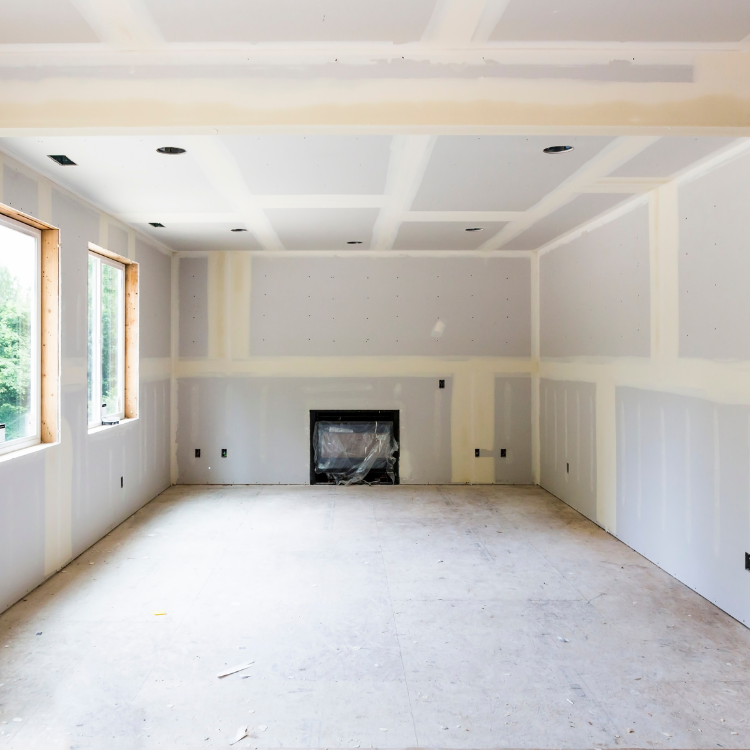
Use this checklist to prepare for a drywall repair or drywall installation conversation. Bring these notes when you call so you can describe the problem clearly.
- Describe when the crack, hole, or bubbling first appeared.
- Mark the exact locations (near a door, window, ceiling line, or seam).
- Check whether the drywall feels firm or soft when you press gently.
- Note any signs of moisture such as staining, bubbling paint, or odor.
- Tell whether you have patched the area before and what happened after painting.
- Confirm if the affected spot is near trim that could be shifting (caulking and seams).
- Decide what finish you want after repair (smooth paint, textured look, or wallpaper).
- Ask what surface preparation and priming services will be done before paint or finish.
Representative Scenario
A homeowner in Allen, TX notices a growing crack around a bedroom doorway after a previous patch job. When they press on the surrounding drywall, the area feels slightly hollow and the old seam looks uneven under the paint. A contractor checks the edges and finds that the board has separated at the seam and the patch did not have stable support to hold the finish. Instead of repeating a thin compound pass, the crew replaces the affected drywall section, completes drywall finishing, and then prepares the surface for interior painting so the repair blends naturally under normal lighting.
Want a clear plan for your wall repair?
If you are seeing cracks, holes, or patch lines that keep coming back, MJ Workforce Solutions can help you decide between drywall patching, drywall repair, or drywall installation based on what the wall is actually doing.
Call MJ Workforce SolutionsFrequently Asked Questions
How do I tell if I need drywall patching or full drywall installation?
Start with stability. If the drywall is firm and the crack or hole is mostly cosmetic, drywall patching and drywall finishing may be enough. If the area is soft, crumbling, hollow, or you see moisture-related damage like bubbling paint or staining, replacement is often the safer route. Another strong clue is repeat failure. If you have patched before and the repair shows again or re-opens after painting, it usually means the underlying support or board condition needs attention, not another topcoat.
Will interior painting hide drywall repair lines?
Good interior painting can make a repair blend, but only if the drywall work is done correctly first. The paint process depends on proper surface preparation, feathered edges, and priming services that help the finish go on evenly. If the board is unstable or the patch is too thick at the seam, the texture difference will still show after paint dries, especially when light hits from an angle. That is why the best results come from matching the repair method to the wall’s condition before paint is applied.
What causes cracks near trim or doorways?
Cracks near trim and doorways often relate to movement at seams, changes in temperature and humidity, or settling that stresses the drywall at common stress points. Sometimes the drywall itself is fine, and the issue is a seam that needs proper caulking and sealing and then careful finishing. Other times, the board has separated and needs repair or replacement. If the crack re-opens after patching, it suggests the root cause was not fully addressed, so it is worth inspecting the area instead of repainting repeatedly.
Can I repair a small hole without replacing the drywall?
Sometimes yes, especially if the hole edges are stable and the backing is solid. A professional will assess whether the hole is just a surface impact or whether it has damaged the surrounding area enough to compromise support. If the opening is larger than it looks, or if the drywall edges are broken and cannot hold compound evenly, drywall installation may be necessary for a flat, long-lasting finish. The goal is a repair that stays smooth after priming and interior painting.
What should I ask about priming and surface preparation?
Ask what surface preparation steps will be done before any finish work, such as cleaning, sanding, and addressing loose edges. Then ask how priming will be handled over the repaired area so it receives paint uniformly. If you are planning a texture-matched finish, ask how drywall finishing will be approached to match the surrounding wall. When you align the prep and priming with the repair type, you reduce the chance of patch lines showing through later.
Ready to get your walls back to “smooth”?
Whether you need drywall repair, drywall patching, or drywall installation, MJ Workforce Solutions can help you choose the right approach for a clean, finished result in Allen, TX.
Explore MJ Workforce Solutions drywall services
MJ Workforce Solutions
MJ Workforce Solutions provides painting and related interior finish services for homeowners and property owners in Allen, TX and surrounding areas. From drywall services to the follow-up painting work that makes repairs look seamless, the focus stays on practical preparation, careful finishing, and results that hold up to everyday living.
Serving Allen, TX & nearby areas. Call (945) 253-0961 or visit mjhomepainters.com.