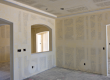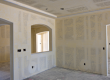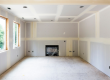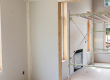
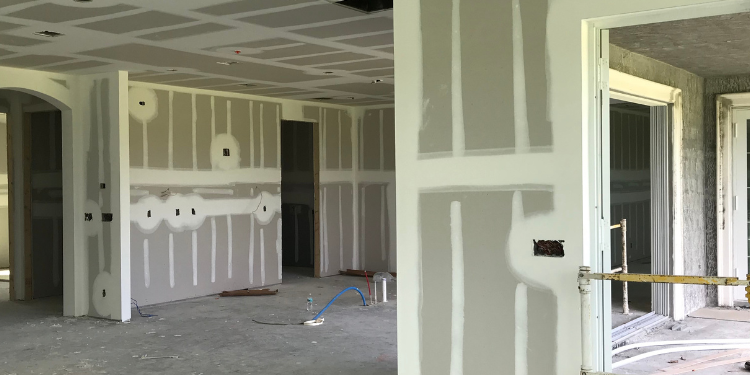
If your walls are showing cracks, bumps, or patches that look “fixed,” painting can make them more noticeable. This guide helps Allen, TX homeowners recognize when drywall installation, repair, or finishing needs to happen first, so your interior or exterior paint job looks smooth and lasts.
You planned to freshen up the living room in Allen, TX, but the wall surface already looks uneven. Maybe there are small cracks near trim, a spot where the drywall looks “wavy,” or a patch that never truly blended in after an earlier repair.
Before you pick a paint color, you need to know whether the underlying drywall work is ready. This article will help you spot the common signs that drywall installation (or a more complete drywall repair/finishing approach) should come before painting, so you do not end up repainting the same areas again.
- Quick answer
- What to check first
- Main things customers should understand
- Why this matters in Allen, TX
- Common mistakes to avoid
- Customer checklist
- Frequently asked questions
Quick Answer
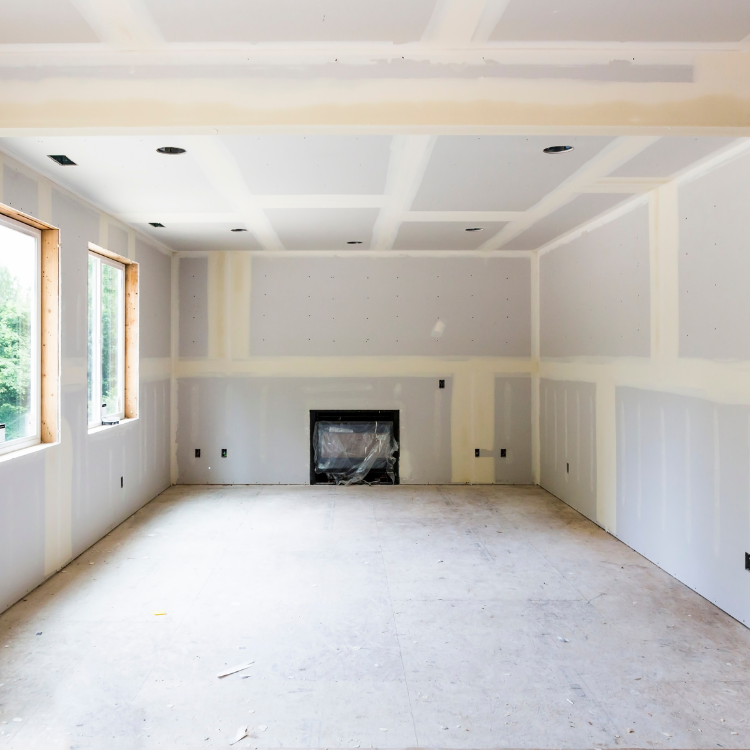
If your drywall has visible damage that changes the wall’s shape, painting will usually highlight it instead of hiding it. Look for loose or crumbling material, seams that telegraph through, large holes, sagging sections, water-related bubbling, or persistent texture differences. In those cases, drywall installation, drywall repair, drywall patching, and drywall finishing should be completed before any primer or paint. A practical next step is to compare the wall’s surface to a straight edge and check whether repairs are stable and smooth enough to accept priming services.
What to Check First
Start with the surface condition, not the paint color. Walk the room slowly and view the wall from different angles, especially near windows and light switches where shadows exaggerate imperfections. Then do a simple “feel test” with your hand to catch raised edges, loose paper, or soft spots. If you can press lightly and the area shifts, it is a sign the drywall is not ready for paint.
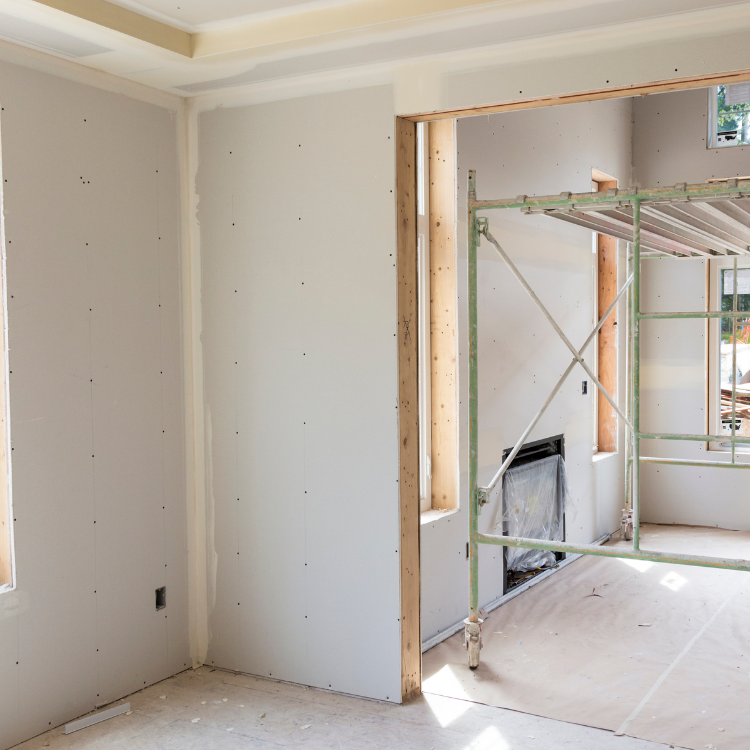
Professional observation: Drywall that is still moving, soft, or uneven needs stabilization and proper finishing before painting. A fresh coat will not correct structural or surface-level problems; it will only lock them in visually.
Main Things Customers Should Understand
Not every wall problem requires full drywall installation, but many do require more than a quick skim. In practice, customers often discover that the “repair” they see is only the top layer. The real issue can be behind the surface: seams that were not properly treated, patch edges that were not feathered, or sections that were cut out without matching the surrounding drywall plane.
Here is what to look for when deciding whether drywall installation, drywall patching, or drywall finishing needs to happen before you paint.
| Wall sign you notice | What it often indicates | Typical prep step before painting |
|---|---|---|
| Cracks that reopen after patching | Movement or incomplete seam/patch treatment | Drywall repair and finishing with proper surface prep |
| Raised seams or “tape lines” under light | Uneven joint compound thickness | Feathering, sanding, and drywall finishing until smooth |
| Soft, crumbling, or loose drywall paper | Damaged substrate that paint cannot bond to | Drywall installation or patching of the affected area |
| Bumps, ridges, or patch edges that look different | Patch not blended to the surrounding surface plane | Drywall patching and additional finishing passes |
| Sagging or bowed sections | Improper support or a larger underlying issue | Drywall installation approach to restore the wall plane |
| Bubbling, peeling, or staining from moisture | Moisture-related surface failure | Address drywall condition first, then finishing and priming services |
Surface prep comes first
Painting is only as good as the drywall finishing underneath. If the wall is not truly flat and stable, paint will emphasize texture and transitions.
Primer is not a fix
Priming helps adhesion and uniformity, but it does not replace drywall repair, patching, or proper feathering and sanding.
Texture differences show fast
Even small mismatch in texture can become obvious once the room is lit. Matching texture is often part of getting an even finish.
Why This Matters in Allen, TX
Allen, TX homes include a mix of older builds and newer construction, and wall surfaces can be affected by normal settling, prior patchwork, and the way indoor humidity changes through seasons. When you paint over drywall that has not been properly installed, repaired, or finished, you can end up with a “highlight reel” of every ridge and seam as daylight shifts throughout the day.
If you are also dealing with transitions around trim, openings, or textured surfaces, it can help to coordinate your drywall work with the rest of your paint scope. MJ Workforce Solutions can also support related prep and finish tasks like surface preparation and priming services so your final look stays consistent.
Get a clear plan for drywall + paint readiness
If you are unsure whether your wall needs drywall installation before painting, call MJ Workforce Solutions. We can help you match the right prep steps to the condition you have now.
Call (945) 253-0961Common Mistakes to Avoid
Homeowners often move too quickly from “we want a new look” to “we started painting.” The most common issues we see come from skipping prep steps or assuming primer and paint will hide imperfections.
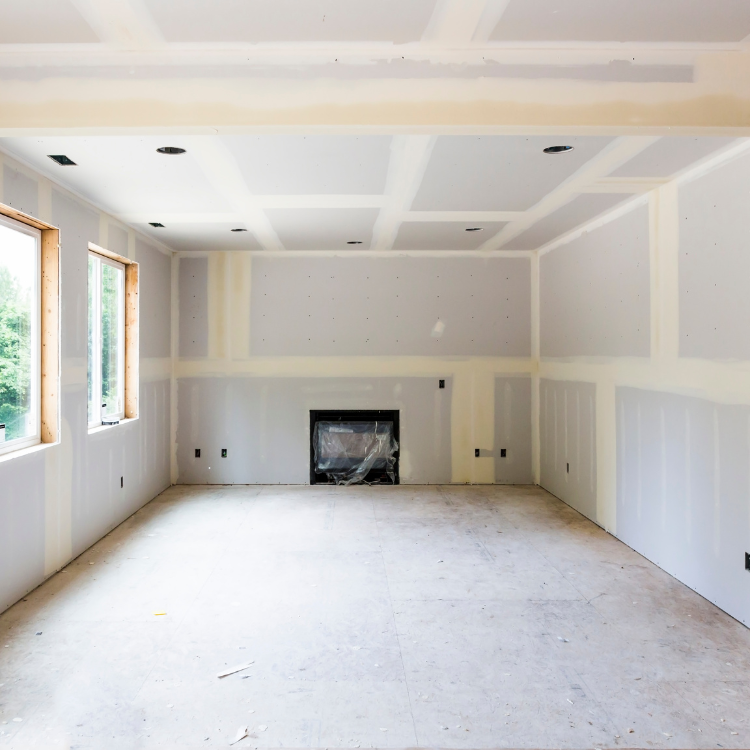
- Painting over unstable drywall: If the surface feels soft or the patch edge lifts, the finish will not hold.
- Overlooking seam and texture problems: Cracks, tape lines, and uneven texture become much more visible after paint dries.
- Not matching the wall plane: Patches that are slightly higher or lower create shadows even with careful painting.
- Skipping proper drywall finishing: Feathering and sanding are what make paint look smooth, not just the paint color.
- Forgetting adjacent surfaces: Trim painting, door painting, and window frame painting often reveal wall prep issues at the edges.
Customer Checklist
Use this checklist before you buy paint or schedule painters. It helps you confirm the drywall is ready for priming services and a clean final coat.
- Walk the wall under bright light and check for cracks, ridges, and tape lines.
- Feel for soft spots, loose paper, or raised patch edges.
- Use a straight edge (or even a long level) to confirm the wall is flat enough for finishing.
- Look around openings and trim for transitions that may need drywall patching and drywall finishing.
- Confirm any repaired areas are stable and smooth enough for primer before you paint.
- If your project includes other surfaces, plan prep in the right order (for example, wallpaper removal or wallpaper installation work before final interior painting).
A representative Allen, TX scenario
A homeowner in Allen noticed hairline cracks and a few patch spots near a doorway. They had painted once over the repairs, but the cracks and seam shadows returned after a few weeks. After checking the wall from multiple angles, they realized the patch edges were not fully feathered and the surrounding drywall texture did not match. The right fix was to complete drywall repair and drywall finishing before any new paint, then proceed with the interior painting plan for a consistent finish.
Frequently Asked Questions
Do I really need drywall installation before painting, or can I just patch?
It depends on what is wrong underneath the surface. Small holes and minor damage are often handled with drywall patching, while sections with loose or crumbling material may require drywall installation to restore a stable substrate. Painting over unstable drywall usually leads to visible seams, cracking, or peeling later. If you can press on the area and it feels soft or shifts, that is a strong sign the drywall needs repair or replacement before paint goes on.
What are the most common reasons repaired walls look worse after paint?
Paint makes surface variations more obvious, especially under window light and near trim. Common causes include patch edges that are not feathered, seam compound that is too thick in one spot, and texture that does not match the surrounding wall. Another issue is skipping sanding and drywall finishing steps, which leaves a slightly uneven plane. If you notice ridges or “tape lines” after painting, it usually points to finishing adjustments needed before the next coat.
How do I know if the drywall is ready for priming services?
Drywall is ready when the surface is stable, smooth to the touch, and flat enough that light does not highlight ridges or seam lines. Any repaired area should feel firm, not soft or flaky. Also check that the patch blend is even across the wall, not just in the center. If you still see visible transitions or feel height differences with your hand, that is a finishing signal. Priming helps with adhesion and uniformity, but it is not a substitute for proper drywall finishing.
Can wallpaper be installed over drywall patching and finishing?
Wallpaper installation works best when the drywall surface is properly prepared and finished. If the wall has ridges, cracks, or uneven texture, wallpaper can telegraph those issues. If your project includes wallpaper, it can be helpful to plan the order of work so the wall is ready for the new finish. For related service options, you can explore wallpaper installation in Allen and pair it with the right drywall repair and finishing approach.
How does drywall work affect other painting tasks like trim and doors?
Drywall finishing impacts the edges where trim, doors, and window frames meet the wall. If the wall surface is not flat or seams are visible, those issues become more obvious once you paint trim painting or door painting. Planning the drywall repair first helps create clean lines and smoother transitions. If your scope includes trim painting, you can keep the look consistent by coordinating drywall finishing and the related paint work so each area blends correctly.
Ready to get your walls paint-ready in Allen?
MJ Workforce Solutions can help you identify drywall repair needs and get your surfaces prepared for a smooth, consistent finish. Call today to discuss your project and the right order of work.
Contact MJ Workforce Solutions
MJ Workforce Solutions
MJ Workforce Solutions provides painting-focused solutions for homeowners and property managers in Allen, TX and surrounding areas. Our scope includes drywall services, interior painting prep, and finishing coordination so your final paint job looks even and stays that way. If your walls show signs of uneven drywall, seam issues, or patch transitions, we can help you plan the next steps with the right prep and finishing sequence.
Explore related services like drywall services or prep work for other surfaces such as wallpaper removal in Allen.