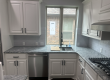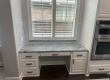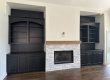
Kitchen Cabinet Staining with Smooth, Even Tonal Depth
A lot of Allen homeowners discover the same thing during a kitchen refresh: replacing cabinets is shockingly expensive, but a basic paint job doesn’t quite deliver the warmth and character they want. That’s where professional kitchen cabinet staining, with smooth, even tonal depth, becomes a game-changer.
According to recent remodeling cost data, a full kitchen cabinet replacement in the Dallas–Fort Worth area can easily run $18,000–$30,000+, while high-quality Kitchen Cabinet Staining or refinishing is typically a fraction of that. Yet the visual impact can be just as dramatic—especially when the stain is consistent, rich, and silky-smooth.
This guide is designed for Allen, TX homeowners who love the look of real wood and want their cabinets to feel custom, not cookie-cutter. You’ll learn what creates that “furniture-grade” finish, how pros avoid blotchiness and lap marks, and what to expect in terms of cost, timing, and results. We’ll also walk through real local examples, common pitfalls, and how cabinet staining fits into a broader interior refresh.
Key Insight: The secret to stunning stained cabinets isn’t just the product—it’s the prep, process, and control of color that create that deep, even tone you notice the second you walk into the room.
Why Smooth, Even Tonal Depth Matters in an Allen Kitchen
In Allen, the kitchen often opens directly into living and dining spaces. That means your cabinets are on display from multiple angles and in constantly changing light—morning sun, afternoon glare, and warm evening fixtures. Any uneven stain, streaking, or patchy areas become very obvious.
Uneven cabinet staining usually shows up as:
- Dark “clouds” or blotches in soft woods
- Lighter patches near edges or corners
- Lap marks where one section dried before the next was blended
- Shadowy or striped areas under certain lighting
“Poor surface prep and rushing the staining process are responsible for at least 70% of cabinet finish complaints.” — NACE Coating Inspector (industry benchmark)
In newer Allen neighborhoods (Twin Creeks, StarCreek, Watters Crossing), many homes were built with standard-grade factory finishes that have yellowed or dulled over time. Homeowners often want to keep the solid structure of their cabinets, but upgrade the look to something more custom—think rich walnut tones, modern espresso, or a natural, airy oak.
A smooth, even-toned stain:
- Makes stock cabinets look like custom furniture
- Hides past wear, minor dings, and color inconsistencies
- Coordinates better with upgraded countertops and backsplashes
- Adds perceived value when it’s time to sell
A professional team that also handles Cabinet Painting, Drywall Repair, and other finishes can ensure your cabinets don’t just look good up close, but tie in seamlessly with the rest of your interior.
The Science of Tonal Depth: Wood, Stain, and Light Working Together
Tonal depth isn’t just “darker stain.” It’s the visual richness that comes from stain penetrating evenly into properly prepared wood, highlighting grain instead of fighting against it. Getting that depth requires understanding how wood species, stain type, and application technique interact.
How Wood Species Affects the Result
Common cabinet woods in Allen homes include:
- Oak: Open grain, takes stain well, very forgiving
- Maple: Tight grain, prone to blotching with dark stains
- Alder or Birch: Softer, can absorb stain unevenly
- Poplar or mixed hardwoods: Used on trim and doors, can create color mismatches
Without the right prep, maple and alder cabinets can look “mottled” when stained darker.
“Maple can be stunning with stain—but only if it’s conditioned and tested. Skipping that step is the fastest route to blotchy cabinets.” — MJ Workforce Solutions Finishing Lead
Why Prep Is Non-Negotiable
Before a single drop of stain goes on, a pro crew will:
- Remove doors and label everything for reassembly
- Degrease surfaces (cooking oils are silent finish killers)
- Strip or sand off failing finishes when needed
- Fill minor dings and sand progressively to a smooth, consistent profile
- Vacuum and tack-cloth dust so it doesn’t get trapped in the finish
Any flaws left at this stage are magnified by stain.
Stain Type and Application
Pros choose between wiping stains, spray-applied stains, gel stains, or dye-based systems depending on the wood and desired look. For smooth, even tonal depth, control is everything:
- Working in manageable sections to avoid lap marks
- Maintaining a consistent “wet edge”
- Watching absorption and adjusting dwell time (how long stain sits before wiping)
This scientific, controlled approach separates a furniture-grade finish from a basic color change.
Stain vs. Paint vs. Refacing: Which Is Right for Your Cabinets?
Not every Allen kitchen is a perfect candidate for staining. Sometimes paint or refacing makes more sense. Understanding the differences helps you choose the right path.
Comparing Your Options
| Approach | Best For | Look & Feel | Typical Cost (Allen, TX) | Notes |
|---|---|---|---|---|
| Cabinet Staining / Refinishing | Solid wood cabinets with decent layout | Warm, natural wood with visible grain | $$ | Requires good wood condition |
| Cabinet Painting | Mixed materials, dated finishes | Clean, solid color (white, gray, etc.) | $$ | Great for modernizing quickly |
| Cabinet Refacing | Very dated doors, but good boxes | “New cabinet” look | $$$$ | New doors & veneers |
| Full Replacement | Failing layout or damaged boxes | Completely new design | $$$$$ | Most disruptive and costly |
\Relative ranges; actual pricing depends on size, condition, and materials.
For many Allen homeowners, especially in homes built in the last 15–20 years, cabinet staining or cabinet refinishing offers the best balance of beauty, durability, and budget.
A Local Example
A family in Allen’s Cumberland Crossing community had high-quality oak cabinets with a honey finish that clashed with their new quartz counters. They considered refacing but didn’t want to spend $20,000+. Instead, they chose a deep, cool walnut stain.
The process:
- Professional degreasing and sanding
- Grain-enhancing stain applied in controlled coats
- Clear protective topcoats for durability
The result was a sophisticated, furniture-grade look that made their kitchen feel brand new—at roughly a third of the cost of refacing.
Because MJ Workforce Solutions also handles Faux Finishing and accent finishes, you can even combine stained lowers with painted uppers or a specialty island finish for a truly custom look.
The Professional Staining Process: Step-by-Step to a Flawless Finish
A smooth, even-toned cabinet finish doesn’t happen by accident. It’s the result of a disciplined, repeatable process. Here’s what that typically looks like in an Allen home.
Step 1: Protection and Setup
- Masking floors, countertops, and appliances
- Creating a contained work zone to control dust and odors
- Removing doors, drawers, and hardware for off-site or garage finishing when possible
This is especially important in open-concept homes near Allen High School or along Exchange Parkway, where dust can easily travel into living spaces.
Step 2: Cleaning, Repair, and Surface Prep
- Degreasing with professional-grade cleaners
- Light repairs to edges, corners, and worn areas
- Sanding to remove sheen and create a consistent surface
- Toning in any mismatched pieces so they accept stain similarly
If your kitchen has had prior water damage or wall repairs, pairing cabinet work with Drywall Finishing or Popcorn Texture Removal can help create a fully cohesive look.
Step 3: Conditioning and Staining
For blotch-prone woods like maple or alder, a pre-stain conditioner or specialized sealer is applied to even out absorption. Then:
- Stain is applied systematically, usually with a combination of spray and hand-wiping or brushing
- Edges, profiles, and detailed areas are carefully worked to avoid pooling and dark spots
- Each piece is checked under good light to catch inconsistencies early
“Most DIY staining issues we fix started with skipping conditioner or rushing the wipe-off stage.” — MJ Workforce Solutions Project Manager
Step 4: Sealing and Topcoats
Once the tone is locked in:
- A clear sealer is applied to protect color
- Multiple topcoats (often waterborne or catalyzed finishes) add durability
- Sanding between coats keeps the surface ultra-smooth
When the process is done correctly, you get a silky, consistent finish with deep, even color—and a kitchen that feels like new custom cabinetry.
Integrating Cabinet Staining into a Whole-Home Refresh
Cabinet staining can be the centerpiece of a larger transformation. Many Allen homeowners use this project as a catalyst to update adjacent surfaces and finishes for a fully coordinated look.
Coordinating with Walls, Backsplashes, and Trim
Once cabinets are stained, wall color suddenly matters more. Rich walnut or espresso cabinets can feel heavy against dark walls but stunning against a light, warm neutral.
- Pair medium wood tones with soft greiges or warm whites
- Use Accent Wall Painting or subtle Wallpaper Installation behind open shelves
- Refresh baseboards and casings with crisp trim painting so the whole space feels renewed
In older Allen homes with dated textures, combining cabinet staining with Texture Matching and ceiling updates can dramatically modernize the space.
Floors, Islands, and Connected Spaces
Because many Allen kitchens flow into dining nooks and living rooms, consider:
- Refinishing or coating nearby floors with Floor Coating or epoxy in pantries or adjacent garages
- Giving the island a contrasting stain or painted finish for a designer look
- Updating nearby powder rooms with new vanity stains and Wallpaper Removal plus fresh paint
A recent project near Allen Station Park combined deep-stained cabinets, a freshly painted soft-white kitchen, and a coated garage floor. The homeowners said it felt like moving into a new house—without the hassle of relocating.
Because MJ Workforce Solutions also handles Exterior House Painting, Deck Staining and Sealing, and Fence Staining, you can plan a phased approach that ties interior and exterior updates together over time.
Protecting Your Investment: Durability, Maintenance, and Everyday Use
A beautiful stain job is only as good as its ability to stand up to daily life—spills, steam, kids, and constant use. In Allen’s climate, where humidity and temperature swings can affect wood, long-term performance matters.
Choosing a Durable System
Professional cabinet finishes typically involve:
- High-quality stain formulated for cabinetry
- A sealer coat to lock in color
- Multiple clear topcoats designed for abrasion, moisture, and cleaning
These are different from typical Interior Painting products used on walls. Cabinet coatings need to resist:
- Frequent cleaning with mild detergents
- Steam from dishwashers and cooking
- Sun exposure through large kitchen windows common in Allen homes
“With the right prep and coating system, a stained cabinet finish should look great for many years with only basic care.” — MJ Workforce Solutions Owner
Simple Maintenance Tips
- Wipe spills promptly—especially around sink bases and dishwashers
- Use mild, non-abrasive cleaners; avoid harsh chemicals and scouring pads
- Add or adjust soft-close hardware to reduce impact wear
- Use vent hoods consistently to reduce grease buildup on upper cabinets
If your cabinets ever do get scratched or nicked, a professional can usually perform spot touch-ups or partial refinishing—far easier and less costly than replacing cabinets.
What This Means for Homeowners in Allen, TX
For Allen homeowners, kitchen cabinet staining with smooth, even tonal depth offers a powerful middle ground between living with dated finishes and taking on a full remodel. The local housing market is competitive, and buyers increasingly expect updated kitchens—but that doesn’t always mean tearing everything out.
By working with a team that understands both wood finishing and broader interior systems, you can:
- Retain high-quality cabinet boxes that are structurally sound
- Transform the look to match today’s styles—without a full gut job
- Coordinate cabinets with nearby wall colors, textures, and even exterior elements
- Boost perceived home value and daily enjoyment of your space
In neighborhoods from Watters Crossing to Twin Creeks, homeowners are choosing strategic updates—like cabinet staining, Paint Stripping, and texture updates—rather than full-scale renovations. This approach respects both budget and lifestyle, minimizing disruption while maximizing visual impact.
Because Allen kitchens are often the social center of the home, investing in a rich, even, furniture-grade cabinet finish pays off every day. Whether you’re hosting neighbors after an Eagles game, cooking with family, or just enjoying a quiet morning coffee, those cabinets set the tone.
Frequently Asked Questions
Q: My cabinets are older and have some wear. Can they still be stained, or do I need new ones?
A: Many Allen homes have solid wood cabinets that are structurally sound but cosmetically tired. In most cases, they can be successfully stained or refinished as long as the doors and boxes are in decent shape. A professional will inspect for water damage, warping, or severe cracking. Minor dings, scratches, and color inconsistencies are exactly what Kitchen Cabinet Staining and refinishing are meant to address. If certain doors are beyond repair, you may be able to replace just those pieces while keeping the rest. Full replacement is usually only necessary when the layout no longer works or the cabinet boxes are failing.
Q: I have painted cabinets now. Is it possible to switch to a stained wood look?
A: This depends on what’s under the paint. If your cabinets are solid wood and the paint is not excessively thick, it may be possible to carefully strip or sand down to bare wood using professional Paint Removal methods. However, this is a more involved process than staining previously stained wood. If your cabinets are MDF or have a veneer that’s too thin, a stained finish may not be realistic, and a new Cabinet Color Change with paint could be the better option. A site visit is the best way to determine what’s possible in your specific Allen kitchen.
Q: How long does professional cabinet staining usually take in an Allen home?
A: For an average-sized Allen kitchen, the active on-site work is typically 3–5 days, depending on the scope, condition, and whether doors are finished on-site or off-site. The timeline includes protection and masking, cleaning and prep, staining, and multiple clear coats with appropriate drying times. If you’re combining this with other work like Drywall Repair, Wallpaper Removal, or interior painting, the schedule may extend slightly, but a professional crew will sequence tasks to minimize disruption so you can still use part of your kitchen as much as possible.
Q: Will staining my cabinets create a lot of dust and odor in my home?
A: A professional team will take significant steps to control both. Doors and drawers are often removed and finished in a controlled environment, while boxes are worked on in place with masking, plastic sheeting, and exhaust systems as needed. Sanding is done with dust-extracting tools, and vacuuming plus tack-cloth wiping keeps surfaces clean. Modern waterborne products also reduce strong solvent odors. If you have sensitivities, mention this during your estimate; your contractor can explain product options and how they manage ventilation in Allen’s climate, especially during hotter months when windows may not be open.
Q: How do I choose the right stain color for my Allen kitchen?
A: Start by considering your fixed elements: flooring, countertops, and backsplash. Your stain should complement, not clash with, those surfaces. Cooler-toned quartz often pairs well with medium to dark neutral browns or espresso, while warm granite may look best with honey, chestnut, or walnut tones. Ask your finisher for on-wood samples applied to your actual cabinet doors or similar species, and view them at different times of day in your kitchen. Combining that with a Color Consultation for surrounding walls can ensure the whole space feels cohesive, not pieced together.
Q: Is staining as durable as painting for busy families?
A: Both stained and painted finishes can be very durable when done professionally. Staining, combined with the right clear topcoats, offers excellent resistance to wear, and minor nicks in stained wood can sometimes be less noticeable than chips in painted finishes. For busy Allen households with kids and pets, the key is the quality of the coating system and prep, not just whether it’s stain or paint. A pro will use cabinet-grade sealers and topcoats that stand up to cleaning, moisture, and daily use, similar to what’s used on high-quality furniture.
Q: Can you match my stained cabinets to other wood elements in my home?
A: Exact matches can be challenging because different woods absorb stain differently, but a skilled finisher can come very close. If you have existing stained stair rails, mantels, or built-ins, bring that up during your estimate. With custom mixing and test samples, your cabinets can be harmonized with those elements. In some cases, it may make sense to update connected wood features at the same time—such as staining a nearby railing or using coordinated tones on a Deck Staining and Sealing project—to create a unified look throughout your Allen home.
Ready to Get Started?
Allen’s real estate market and lifestyle expectations make an updated, inviting kitchen a smart investment—whether you’re planning to stay for years or thinking ahead to resale. Cabinet staining with smooth, even tonal depth is one of the most impactful upgrades you can make without the cost and disruption of a full renovation.
Peak seasons in Allen, especially spring and early fall, book up quickly for interior projects like Kitchen Cabinet Staining, Drywall Repair, and interior painting. Starting the conversation now means you can:
- Reserve a spot that fits your schedule
- Plan stain colors and coordinating finishes thoughtfully
- Bundle related work (walls, ceilings, trim) for a more efficient project
The next step is simple: schedule an on-site consultation. A finishing expert will evaluate your existing cabinets, talk through stain options, and outline a clear, written plan tailored to your home, budget, and goals.
You’ll know exactly what to expect—no surprises, just a path to a richer, more beautiful kitchen that feels custom-crafted for your Allen home.
About MJ Workforce Solutions
MJ Workforce Solutions is a locally focused painting and finishing company serving homeowners in Allen, TX and surrounding communities. With years of experience in Interior Painting, cabinet refinishing, Kitchen Cabinet Staining, and exterior work, the team combines craftsmanship with industry-best products and processes. From detailed surface preparation to final walkthroughs, MJ Workforce Solutions is committed to delivering finishes that look beautiful, perform over time, and elevate the homes and neighborhoods of Allen.