
Exterior Painting Urgent Help for Peeling Paint Problems
If your Allen, TX home is showing peeling paint, bubbling, or flaking along trim and siding, you do not have to guess what to do first. This guide walks you through the most common causes, what to check on the outside, and how to make sure the repair and repaint actually sticks.
You notice the paint breaking up in small patches near a window, then it spreads after the next warm spell. By the time you wipe a fingertip across the surface, flakes come off and you can see darker spots underneath. It is frustrating, and it can also become a bigger moisture issue if you keep ignoring it.
In Allen, TX, exterior surfaces get real swings in heat and humidity through the year. That means peeling paint is often a symptom, not the whole problem. This guide helps you understand what usually causes peeling paint, what to inspect before repainting, and what “surface prep” should involve so you can avoid a repeat problem.
- Quick answer
- What to check first
- Main things customers should understand
- Why this matters in Allen, TX
- Common mistakes to avoid
- Customer checklist
- Frequently asked questions
Quick Answer
If exterior paint is peeling, the best first step is to identify why it is failing before applying new coats. Look for moisture sources (siding gaps, failing caulk, water run-off from nearby landscaping, or staining coming through). Then remove loose paint back to firm edges and make sure the surface is clean and dry. A practical recommendation for Allen, TX homeowners is to get the right prep plan for your siding and trim material, since skipping surface preparation is the most common reason repainting does not last.
What to Check First
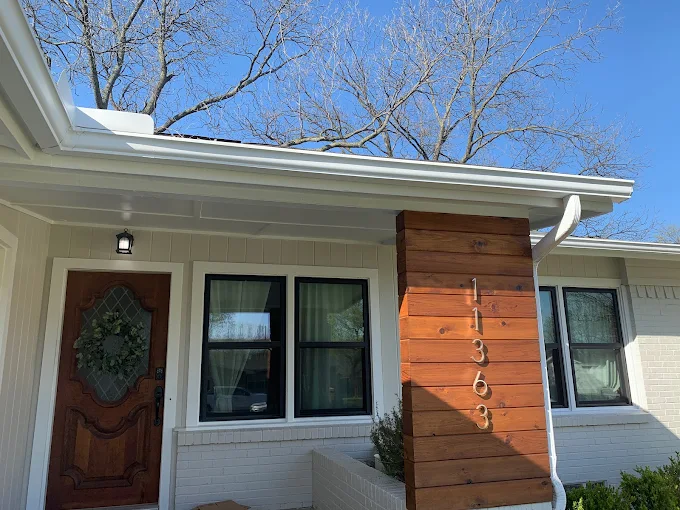
Start with a quick “peeling map” of your home. Walk the exterior and mark areas where paint is lifting, bubbling, or flaking. Pay special attention to transitions: trim edges, around windows, along fascia, near downspouts, and where different materials meet. Those spots usually reveal whether the problem is moisture intrusion, poor adhesion, or a surface contamination issue.
Moisture clues
Look for water staining, dark streaks, or soft wood. If the peel is consistently near a specific corner or elevation, suspect a recurring water path.
Surface condition
Gently press a loosened edge. If it flakes easily over large areas, you likely need more than a spot touch-up.
Caulk and joints
Check around window trim and siding seams for cracked or missing caulk. Even good paint can fail if joints are letting water move behind it.
Next, inspect what is underneath the peeling paint. If you see bare wood, chalky residue, mildew, or heavy grime, the repaint plan should include cleaning and priming services that match the condition. For many homes, this is also where door painting and trim painting decisions matter, because those surfaces often experience the most wear and weather exposure.
Professional observation: Peeling paint usually means adhesion failed somewhere earlier. The fix is not just new color. It is the combination of removing the loose material, addressing the moisture or contamination cause, and using the right priming services for the surface.
Main Things Customers Should Understand
There are a few recurring drivers behind exterior paint failure. Understanding them helps you ask the right questions and avoid a repaint that looks good for a season and then starts flaking again.
| What you notice | Most likely cause | What should happen next |
|---|---|---|
| Paint lifts in sheets or large patches | Adhesion failure over contaminated or improperly prepped surfaces | Paint removal back to firm edges, cleaning, priming services appropriate for the substrate |
| Bubbling under the paint | Moisture trapped under the coating or water intrusion at a seam | Locate the water path, address caulking and sealing, then prime and repaint after drying |
| Peeling around windows or trim joints | Cracked caulk, failed seals, or water getting behind trim | Caulk and seal repairs, then trim painting and repaint with compatible products |
| Chalky or powdery coating before it peels | Weathering and loss of coating integrity | Thorough cleaning, priming, and spot repairs before full exterior painting |
One firsthand-style observation from the field: the “worst-looking” spots are not always the deepest problem. Often, the paint fails first where water sits, then the peel spreads outward as the coating loses grip. That is why a careful assessment of edges, seams, and nearby drainage matters. If your peeling paint is near areas that also need drywall services inside or matching touch-ups, it can be helpful to coordinate the exterior work with interior repairs like drywall services for a consistent look.
Why This Matters in Allen, TX
Allen, TX homes can go through cycles that stress exterior coatings. Heat can accelerate expansion and contraction, and seasonal moisture can find the smallest weak spots in siding and trim. When paint peels, it may expose the surface to more water movement than you realize, especially around eaves, fascia, and window frame areas.
If you are also planning other exterior updates, pairing painting with related prep work can help reduce repeat issues. For example, if your home has decks or fences that need attention, planning them alongside exterior painting can streamline surface preparation and protect adjacent materials. You can explore exterior painting service areas in Allen to see how MJ Workforce Solutions approaches exterior prep and finish work for local properties.
Get a clear prep plan for peeling exterior paint
If peeling paint is spreading on your Allen, TX home, a surface-first plan is usually the difference between a quick fix and a durable repair. Call MJ Workforce Solutions and describe where the paint is lifting.
Call (945) 253-0961Common Mistakes to Avoid
Peeling paint problems are common, but a few mistakes can make them worse. Here are the ones homeowners in Allen, TX run into most often.
- Painting over loose edges. If the coating is already lifting, new paint often fails with it.
- Skipping surface preparation. Dirt, chalky residue, and old contamination can block proper bonding.
- Ignoring caulk and sealing. If joints are letting water move behind the coating, repainting alone rarely stops the cycle.
- Choosing paint without matching the surface. Different substrates and conditions need different priming services and approaches.
- Only treating the visible area. Water paths often extend beyond the first peeling patch.
Another common issue is mismatched expectations about “spot repair.” If the peel is widespread or repeating in the same zones, a more complete approach can be more cost-effective than repeated touch-ups. If your exterior includes wood elements that also need refinishing, MJ Workforce Solutions can help coordinate work like deck staining and sealing in Allen so the protection strategy stays consistent across surfaces.
Customer Checklist
Use this checklist before you decide on repainting. It helps you confirm you are dealing with the cause, not just the symptoms.
- Identify where the peeling starts (windows, trim, siding seams, corners, or downspout areas).
- Check for cracked or missing caulk and note any joints that look open or separated.
- Look for water stains, mildew, or dark streaking that suggests moisture intrusion.
- Test a small edge of peeling paint to see if it is loose or firmly bonded.
- Remove loose flakes carefully from the loose areas you can access safely.
- Schedule cleaning and priming services that match the condition of the surface.
- Confirm that the plan includes caulking and sealing where paint failure is tied to joints.
- Plan the timeline around dry conditions so surfaces can fully dry before coating.
Representative scenario: what a homeowner in Allen experiences
Imagine a homeowner in Allen who first notices peeling paint near the second-floor window trim. The flaking starts as a thin edge line, then expands into a wider strip after a few wet weeks. When they wipe the area, they find chalky residue and small flakes that keep coming off. The homeowner also sees that the caulk around the trim looks cracked and the downspout on that side directs water close to the wall.
A surface-first repair plan typically begins by removing peeling and loose coating back to firm edges, cleaning the area, and addressing caulking and sealing around the window trim. After the surface is properly prepared and dry, priming services are applied to support adhesion, followed by repainting the affected trim and adjacent sections to keep the finish consistent.
Frequently Asked Questions
How do I tell if peeling paint is just cosmetic or a moisture problem?
Peeling paint can be cosmetic, but it often signals moisture movement behind the coating. If the peeling is concentrated near windows, trim edges, or a specific elevation, suspect water intrusion. Look for dark staining, mildew, bubbling, or soft wood underneath. If paint lifts in large sheets or keeps returning in the same areas, that is another sign the root cause has not been addressed.
Should I scrape everything down to bare wood before repainting?
In many peeling paint situations, loose and failing material needs to be removed back to firm edges so the new coating can bond properly. Whether that means bare wood depends on what is underneath and how far the failure has traveled. A practical approach is to remove only what is loose, then assess the remaining surface. A prep plan should include cleaning and priming services that match the exposed substrate and condition.
Can I paint over primer if the caulk is cracked?
Cracked caulk can let water move behind the coating, which can lead to repeat peeling even if you apply primer. Before repainting, inspect and repair caulking and sealing at joints like window trim and siding seams. The goal is to stop water pathways first, then prepare and prime the surface so the new exterior painting system can perform as intended.
What exterior areas usually fail first?
In Allen, TX, exterior coatings commonly fail first at edges and transitions: around windows and door trim, along fascia, near eaves, and where different materials meet. Areas near drainage paths such as downspouts and ground contact points can also show peeling earlier. If you notice the same patterns repeatedly, it is usually tied to how water flows across that side of the home.
How can I keep the repaired paint looking consistent?
Consistency is about matching preparation and finish. When repairs are isolated, the surrounding area may be uneven in texture or chalking level. A good repair plan prepares adjacent surfaces appropriately and primes where needed, then repaints to blend the finish. If other exterior elements like decks or fences are present, addressing them in the same overall timeframe can also help keep the look uniform across materials.
Ready to stop the peeling cycle?
If peeling paint is spreading on your Allen, TX home, MJ Workforce Solutions can help you plan the right prep, priming services, and exterior painting approach for your situation.
Visit MJ Workforce Solutions
About MJ Workforce Solutions
MJ Workforce Solutions provides painting services for homeowners and property managers in Allen, TX and surrounding areas. The focus is on practical surface preparation, careful attention to exterior transitions like trim and joints, and coordinated finishing work that helps protect what is underneath. If you are dealing with peeling paint, MJ Workforce Solutions can help you understand what to check first and what repairs should include so the new coating has a solid foundation.
Service area: Allen, TX & surrounding areas
Phone: (945) 253-0961