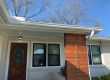

When your exterior looks dull, chalky, or uneven, the fix is not just “more paint.” This guide walks you through what to check before exterior painting in Allen, TX, so the finish holds up to sun, humidity, and seasonal swings.
Last spring, the exterior of your home probably looked great for a few weeks. Then the Texas sun started doing what it does: fading, stressing, and making small problems more obvious. You may notice peeling near trim, rough texture on siding, or paint that looks “dry” even though it is not.
If you are planning exterior house painting in Allen, TX, you want a durable result, not a short-term cover-up. This guide helps you understand the practical steps behind weather-ready exterior painting, how to plan around common surface issues, and what to ask before work begins.
Quick Answer
If your exterior paint is peeling, chalking, or looks uneven, lasting results usually start with surface preparation and the right primer for the material, not just a fresh topcoat. In Allen, TX, that often means addressing failing areas, cleaning the surface, and making sure trim and joints are properly sealed before painting. A practical next step is to have your home inspected for damaged siding, loose trim, or rough patches so the work scope matches the condition of your surfaces. If you are also updating cabinetry indoors, consider planning that separately to keep the overall project timeline smooth.
What to Check First
Before you pick a color, walk the property and identify what is driving the poor finish. Weather-ready exterior painting is less about guessing and more about matching prep to the problem you already see.
Look for failing spots
Check corners, trim lines, window frames, and any areas where water can collect. Peeling and bubbling often show you where prep must be prioritized.
Assess the surface texture
Rough patches, flaking paint, or uneven sheen can signal old coatings that need removal or re-priming to get a smooth, consistent finish.
Plan for repairs
Exterior jobs often tie into other building surfaces. If you are also dealing with drywall damage inside, aligning timing can reduce disruption.
If your home has interior wall issues that are part of the same renovation plan, you can review drywall services so the project stays cohesive.
Professional observation: The “look” of exterior paint is strongly influenced by what is underneath. When preparation is skipped, even the best-color choice can end up looking uneven or failing sooner.
Main Things Customers Should Understand
Weather-ready exterior painting is a system. Here are the main elements that determine how your finish holds up across seasons in Allen.
1) Surface preparation sets the ceiling for durability
Preparation is where many homes win or lose. You want the surface cleaned and stabilized, loose or failing paint addressed, and any rough edges blended so the new coating can bond properly.
2) Priming is not optional when conditions change
Different exterior conditions call for different primer strategies. Areas with exposed material, previously repaired spots, or uneven substrate typically need priming before the final coats.
3) Trim, doors, and window frames matter as much as siding
In Allen neighborhoods, many homes show wear first around trim details. That includes door painting and window frame painting, where caulking and sealing help protect joints from moisture intrusion. If you also want decorative updates, you can discuss faux finishing or painting alongside your exterior refresh.
4) Texture and coating removal may be part of the scope
When the existing finish is incompatible or deteriorating, paint removal or stripping can be necessary. If you are dealing with stubborn coating build-up, it is worth reviewing paint removal to understand how prep impacts the end result.
Why This Matters in Allen, TX
Allen, TX has the kind of seasonal swing that makes small exterior issues grow. Sun exposure can exaggerate chalking and fading, while humidity can stress joints and edges. That is why weather-ready exterior painting is not just about applying coats, but about preventing moisture problems at the seams and ensuring the finish stays consistent across trim, walls, and other details.
For many homeowners, the exterior refresh also overlaps with outdoor elements. If your project includes outdoor surfaces, pair the plan with deck and fence work so the schedule stays logical. You can explore deck staining and sealing if your deck shows early wear.
Local planning tip: If your exterior has multiple materials (for example, siding plus trim details), confirm the coating plan for each material type. Consistency across surfaces is what makes an exterior look “finished,” not just painted.
Common Mistakes to Avoid
These are the missteps that often lead to peeling, fading, or patchy appearance sooner than expected.
- Painting over loose or flaking areas instead of addressing failing sections.
- Skipping surface cleaning, which can reduce adhesion and create a rough or uneven finish.
- Assuming the same primer works everywhere, even when substrate conditions differ.
- Not paying attention to caulking and sealing at trim lines and joint areas.
- Ignoring texture differences that can show through the final coats.
- Choosing color without considering how existing materials and trim will look together.
Customer Checklist
Use this checklist to prepare for an exterior painting conversation in Allen, TX. It helps you clarify scope and avoid surprises during the job.
- Walk the exterior and point out where paint is peeling, bubbling, or looking chalky.
- Note any areas with water staining near trim, doors, or window frames.
- Confirm whether coating removal is needed on any sections that have heavy build-up or failing paint.
- Ask how damaged areas will be prepped and primed before topcoats.
- Discuss how joints will be sealed, especially around trim and openings.
- Plan for how the project will affect outdoor areas like decks or fences if they are part of the same refresh.
A representative scenario (Allen, TX homeowner)
Imagine a two-story home in Allen where the front elevation looks slightly dull compared to the sides. After a heavy rain, a few spots near the trim show early peeling and rough edges. The homeowner wants exterior house painting that looks even and stays that way through the next season.
The solution focuses on stabilizing the failing areas, preparing the surfaces so the new coating can bond, and priming where needed. Attention is placed on trim lines and openings to reduce moisture stress. The end result is a more uniform appearance across siding and detail surfaces, not just a “patchy fix.”
Ready to make your exterior look even again?
If you are seeing peeling, chalking, or uneven texture around trim and openings, MJ Workforce Solutions can help you map the right prep steps for weather-ready results in Allen, TX.
Contact MJ Workforce SolutionsPrefer to call? (945) 253-0961
Decision Table: What to prioritize based on the surface
Use the table below to match your observations to the kind of prep work that usually comes next.
| What you notice | What it usually suggests | What to prioritize in the plan |
|---|---|---|
| Peeling or lifting paint at trim lines | Failing bond in specific areas | Targeted prep, priming, and careful focus on sealing joints |
| Chalky or faded finish | Weather wear showing through the topcoat | Cleaning and prep for consistent adhesion before topcoats |
| Rough patches or uneven sheen | Texture differences from old coatings | Blend and prepare surfaces for a smoother, more uniform finish |
| Heavy build-up or deteriorating coating | Existing finish may not be compatible | Paint removal or stripping where needed before priming |
| Wear around doors and window frames | Moisture stress at openings | Detail work, including caulking and sealing at joints |
Frequently Asked Questions
How do I know whether I need paint removal or just spot prep?
You typically need removal when coating build-up is heavy, failing paint is widespread, or the surface is too uneven for a smooth, uniform finish. If the problem is concentrated around trim or joints, spot prep and priming may be enough. A practical approach is to start with a walk-through of peeling, bubbling, and rough patches and then confirm what the surface needs to stabilize before the topcoat. MJ Workforce Solutions can help you assess the condition so the plan matches the issues, not just the appearance.
Will exterior painting look different if my siding and trim are different materials?
It can, unless the coating plan is designed for each material and the prep work is done accordingly. Different substrates can absorb product differently and may require different priming strategies. That is why weather-ready exterior painting should treat trim, doors, and window frames as detail surfaces that get their own attention. When prep and priming are consistent across the exterior, the final look is more even and the finish holds up better season to season.
What should I do before the painters arrive?
Clear the work area by moving outdoor items away from entrances and walkways, and make it easy to access trim, doors, and window frames. If you have nearby surfaces you want protected, point them out beforehand. If your plan includes more than exterior painting, such as indoor updates, it helps to align timelines so you are not repainting areas twice. For example, if you are also updating interior surfaces, reviewing cabinet painting service areas in Allen can help you coordinate the overall renovation.
Can I choose a new color if my existing paint is chalky?
Yes, but the chalkiness is a signal that prep matters. A new color can look great, but it depends on how the surface is cleaned and stabilized so the coating bonds properly. If failing areas are present, they should be addressed before topcoats. The goal is to create a consistent base under the new exterior paint so the color reads evenly and the finish stays more durable through sun and humidity.
How do I plan if I also need wallpaper installation or removal inside?
If you are refreshing both interior and exterior, planning is about sequencing. Wallpaper installation and removal can create dust and disruption indoors, while exterior painting involves exterior access and prep. It helps to decide what needs to happen first in each space so your interior finishes do not get disturbed after you finish the exterior. If your interior project includes wallpaper, you can review walls covered by wallpaper installation to understand how preparation and timing typically fit into the overall refresh.
Get a practical plan for weather-ready exterior painting
MJ Workforce Solutions supports Allen homeowners with exterior painting that prioritizes prep, priming, and detail work so your finish looks better and lasts longer.
See exterior painting in AllenCall (945) 253-0961 to discuss your exterior painting needs.