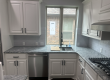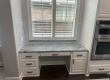
Kitchen Cabinet Staining That Highlights Natural Beauty
Allen homeowners are investing heavily in their kitchens. In Collin County, kitchen updates consistently rank among the top home improvement projects, and for good reason: a well-designed kitchen can return 60–80% of its cost at resale. Yet many residents are discovering they don’t need a full remodel or brand-new cabinets to transform the heart of their home. Often, the beauty is already there—hidden in the wood grain.
Kitchen cabinet staining is a powerful way to highlight that natural character instead of covering it up. Done properly, it can make dated cabinets look custom, elevate the entire home, and stand up to the daily wear of busy Allen families.
This guide will walk you through how staining works, how it compares to painting or refacing, the best woods and colors for North Texas homes, and what to expect from a professional process. You’ll also see real-world examples from homes like yours, plus answers to the most common questions Allen homeowners ask before starting a project.
Key Insight: You don’t need to replace your cabinets to get a high-end, custom kitchen—professional staining can reveal the natural beauty of the wood you already own.
Why Stain Instead of Replace? The Case for Revealing Natural Wood
Many Allen homeowners assume that “new kitchen” means brand-new cabinets. In reality, your existing boxes are often structurally sound, especially in homes built in the last 20–25 years. The problem is usually cosmetic: orange oak, yellowed finish, or a color that no longer fits your style.
Staining allows you to:
- Preserve the warmth and character of real wood
- Avoid the cost and disruption of demolition
- Customize tone and depth to fit your countertops, floors, and lighting
We recently worked with a family off McDermott and Alma who were considering tearing out their oak cabinets. The layout worked, but the finish screamed 1990s. Instead of replacing, we stripped the old finish, corrected minor damage with professional Drywall Repair around the cabinet edges where backsplash changes had left gaps, and applied a rich, modern walnut stain. The result looked like a full remodel—at a fraction of the cost.
“Most cabinets in good structural shape can be refinished three or more times over their lifespan.” — NKBA (National Kitchen & Bath Association)
Beyond aesthetics, there’s also sustainability. Keeping your existing cabinet boxes out of the landfill and refreshing the finish is far more eco-friendly than full replacement.
As we move forward, you’ll see how staining stacks up against other options like Cabinet Painting and refacing, and how to decide which is right for your Allen home.
Staining vs. Painting vs. Refacing: Which Is Right for Your Cabinets?
Choosing between staining, painting, and refacing is one of the biggest decisions homeowners make. Each option has its place, but they deliver very different looks, costs, and long-term performance.
Here’s a side-by-side comparison tailored to typical Allen homes:
| Approach | Look & Style | Best For | Approx. Cost in Allen | Pros | Cons |
|---|---|---|---|---|---|
| Staining (Refinishing) | Natural wood grain, warm, timeless | Solid wood cabinets with decent door style | $$ | Highlights grain, durable, upscale feel | Can’t hide heavy grain or major damage |
| Painting | Smooth, solid color (white, greige, etc.) | Dated wood where grain isn’t desired | $$ | Modern, bright, hides grain, many color options | Chips show wood underneath; less “natural” look |
| Refacing (New Doors + Veneer) | Completely new style and finish | Cabinets with outdated door profiles | $$$$ | Transformative without full gut remodel | Higher cost; veneer must be expertly installed |
| Full Replacement | Fully custom layout and design | Poor layout or damaged boxes | $$$$$ | Total design freedom | Highest cost and longest disruption |
\Relative comparison only; actual pricing depends on size, condition, and scope.
We recently worked on a two-story home near Allen High School where the homeowners debated between Kitchen Cabinet Staining and painting. Their oak cabinets had beautiful grain but a dated honey finish. They loved the idea of a light, bright kitchen but didn’t want to lose the wood character. We settled on a light, neutral stain that softened the orange tones while preserving the grain, paired with white walls and a subtle accent wall using Faux Painting in the dining area. The result felt both modern and warm.
CALLOUT: If you love the idea of natural wood but hate the current color, staining is usually your best balance of cost, character, and longevity.
The right choice depends on your cabinet material, door style, and how you live in your kitchen. In the next section, we’ll look at how to evaluate your existing cabinets for staining potential.
Is Your Kitchen a Good Candidate for Staining? Wood, Layout, and Lighting
Not every cabinet is ideal for staining. The success of a staining project depends heavily on what’s underneath the existing finish and how your kitchen is laid out.
1. Cabinet Material
Staining works best on:
- Oak (red or white)
- Maple
- Alder
- Cherry
These species have enough grain and density to take stain beautifully. If your cabinets are laminate or thermofoil, they cannot be traditionally stained; they’re better suited for Paint Removal followed by painting or replacement.
A homeowner near Watters Creek recently called us after trying a DIY stain kit on her maple cabinets. The result was blotchy and uneven because the wood wasn’t properly prepped or conditioned. We stripped the DIY finish, sanded to bare wood, applied a wood conditioner, and then a custom-mixed stain. Maple can be tricky, but handled correctly, the finish turned out smooth and consistent.
“Proper surface preparation accounts for at least 60% of a successful stain job.” — PDCA (Painting Contractors Association)
2. Kitchen Layout and Light
Allen homes often feature open-concept kitchens with lots of natural light—but there are still pockets of low light around corners or pantries. Dark stains can feel rich and dramatic, but in a north-facing kitchen with limited windows, they may make the space feel smaller.
During a project in an Allen subdivision off Stacy Road, we recommended a medium, neutral brown stain instead of the espresso the homeowners initially wanted. With only one window over the sink, the darker color would have closed in the space. The medium tone still felt modern but kept the room bright and inviting.
3. Adjacent Surfaces
The best staining projects coordinate with:
- Existing floors (wood, tile, or concrete)
- Backsplash and countertops
- Adjacent rooms and Exterior House Painting if you’re aiming for a cohesive whole-home palette
Sometimes we’ll also repair or re-texture nearby walls with Popcorn Texture Removal and texture matching to ensure the freshly stained cabinets don’t highlight flaws in the surrounding surfaces.
Understanding your wood, light, and surrounding finishes sets the stage for the real magic: the staining process itself.
Inside the Professional Staining Process: From Prep to Protective Topcoat
A flawless stain finish isn’t about the stain color alone—it’s about meticulous preparation and layering. Professional standards from organizations like PDCA emphasize that shortcuts here almost always show up later as peeling, blotching, or uneven color.
Here’s how a typical project in an Allen kitchen unfolds:
1. Protection and Preparation
- Masking off floors, countertops, appliances, and adjacent rooms
- Creating a contained work area with plastic and ventilation
- Removing doors, drawers, and hardware
If nearby walls have nail pops or damage, we’ll often perform minor Drywall Patching and Drywall Finishing so the finished space feels truly refreshed.
2. Stripping and Sanding
We carefully remove the existing finish through a combination of:
- Chemical stripping (where appropriate)
- Progressive sanding with professional dust control
- Detail work on profiles, corners, and trim
A recent job near Twin Creeks involved heavily worn lower cabinets where the factory finish had failed around the sink. We stripped everything to bare wood, corrected water stains, and feather-sanded transitions so the new stain would absorb evenly.
“Stain will highlight any flaw left in the wood—good or bad. That’s why prep is non-negotiable.” — MJ Workforce Solutions, Lead Finisher
3. Conditioning and Staining
Depending on the wood species, we may:
- Apply a wood conditioner to reduce blotching (especially on maple or alder)
- Test samples on inconspicuous areas or sample doors
- Apply stain by hand or sprayer, then wipe to achieve the desired depth
Multiple coats or layered colors can create custom effects—like cooling down orange oak or warming up a gray space.
4. Sealing and Topcoat
The final step is a durable clear finish, typically:
- Satin or semi-gloss sheen for kitchens
- Multiple coats for protection against moisture, grease, and daily use
We often pair stained cabinets with fresh Trim Painting or door painting to tie the whole space together.
With the process understood, the next question is color: which stain tones actually work best in Allen homes?
Choosing the Right Stain Color for Your Allen Home
Stain color isn’t just about what you like in a sample deck—it has to work with your floors, counters, and the natural light in your specific kitchen. In Allen, we see a few clear favorites that consistently look great.
Popular Stain Directions
- Light & Natural: Great for Scandinavian or modern farmhouse styles, especially with white or light gray walls. Works well with lighter tile or concrete floors.
- Warm Medium Browns: Timeless, versatile, and forgiving of everyday wear. Ideal for families who want a classic look that won’t feel dated in five years.
- Rich Dark Tones: Adds drama and contrast, especially with white quartz countertops and lighter floors. Best in larger or well-lit kitchens.
We completed a project near Celebration Park where the homeowners had medium-tone wood floors and white quartz counters. They initially wanted very dark cabinets, but side-by-side samples showed the space would feel heavy. We landed on a warm medium brown stain that tied the floors and counters together beautifully, while an Accent Wall Painting treatment in the breakfast nook added subtle color without competing with the wood.
Coordinating with Other Surfaces
Color consultation is often part of a broader plan that may include:
- Updating nearby walls with fresh Interior Painting
- Removing outdated wallpapers with Wallpaper Removal and then adding new Wallpaper Installation in select areas
- Re-staining adjacent wood elements like a stair rail or mantel
We frequently create small sample boards with your actual cabinet doors so you can see how different stains behave with your lighting, backsplash, and flooring.
“Never choose a stain based solely on a catalog photo. Always test in your actual kitchen lighting.” — MJ Workforce Solutions Design Consultant
Choosing the right color is only part of the story. To protect your investment, ongoing care and maintenance matter just as much.
Protecting Your Investment: Care, Maintenance, and Longevity
Professionally stained cabinets are built to handle real life—kids, pets, cooking, and constant use—but good habits and simple maintenance go a long way toward preserving that showroom look.
Daily Use and Cleaning
- Wipe spills promptly, especially around the sink and dishwasher
- Use a soft, damp cloth with mild soap; avoid harsh chemicals or abrasive pads
- Don’t hang wet dish towels over cabinet doors long-term
During a follow-up visit to a client near Bethany Lakes Park, we noticed premature dulling on doors above the coffee maker. Steam from the machine was hitting the same spot daily. We moved the coffee station and refreshed the topcoat on those doors, and the issue hasn’t returned.
Long-Term Upkeep
- Inspect high-use areas annually (trash pull-out, sink base, spice cabinet)
- Address minor scratches early before they darken or expose raw wood
- Consider a light professional touch-up or additional clear coat every 7–10 years, depending on use
If you’re also updating adjacent spaces—like adding an Epoxy Floor Coating in the garage or Deck Staining and Sealing outside—coordinating timelines can reduce disruption and give your whole property a cohesive feel.
By treating your stained cabinets as a long-term investment and maintaining them properly, you preserve both beauty and resale value—something Allen’s competitive housing market rewards.
Kitchen Cabinet Staining and Your Whole-Home Style
A stained kitchen rarely exists in isolation. The finish you choose can set the tone for your entire home, especially in the open-concept layouts common across Allen.
Many of our clients pair cabinet staining with:
- Fresh wall color throughout the first floor
- Updated baseboard and Trim Painting
- New or refreshed wood elements, like stair rails, built-ins, or mantels
- Exterior upgrades such as Fence Staining and Deck Painting for a cohesive indoor-outdoor feel
In one Allen project near Hydrous Wake Park, the homeowners wanted their kitchen to feel like a natural extension of their outdoor living space. We:
- Re-stained the kitchen cabinets in a warm, medium brown
- Matched that tone on their backyard pergola with Deck Staining and Sealing
- Updated the fence with complementary Fence Painting
The result was a seamless flow of wood tones from kitchen to patio to yard, perfect for entertaining.
“Think of your cabinet stain as part of a larger color story that runs through your whole home.” — MJ Workforce Solutions Color Consultant
If you’re planning broader renovations, we can also coordinate related work such as Paint Stripping on older surfaces, Wallpaper Removal, or high-durability Floor Coating in high-traffic areas.
What This Means for Businesses in Allen, TX
For Allen-area property managers, real estate investors, and small business owners who operate rental properties or home-based businesses, cabinet staining offers a strategic way to elevate value without overcapitalizing.
In rental homes near Allen’s growing commercial corridors, stained cabinets can:
- Differentiate your property from competing rentals that still have builder-grade finishes
- Withstand turnover cycles better than low-end painted finishes
- Appeal to long-term tenants who value quality and are willing to pay for it
We’ve worked with several local investors who purchased homes with solid, but dated, oak cabinets. By focusing on cabinet staining, targeted Drywall Repair, and fresh Interior Painting, they were able to increase rental rates and reduce vacancy without taking on full gut renovations.
For home-based businesses—especially those who host clients in their space, such as designers, consultants, or realtors—your kitchen often doubles as an informal meeting area. Stained cabinets send a subtle message of quality and attention to detail that reflects on your brand.
In Allen’s competitive housing and business environment, projects that add both aesthetic appeal and long-term durability are smart investments. Kitchen cabinet staining sits squarely in that sweet spot.
Frequently Asked Questions
Q: How do I know if my cabinets in Allen can be stained instead of painted or replaced?
A: The first step is identifying the material. If your doors and frames are solid wood—commonly oak, maple, alder, or cherry—they are strong candidates for staining. We’ll look for signs of water damage, warping, or structural issues that might make replacement more practical. In many Allen homes, cabinets are structurally sound but cosmetically dated, making them perfect for Kitchen Cabinet Staining. If your cabinets are laminate or thermofoil, they cannot be traditionally stained; in that case, we often recommend Cabinet Painting or refacing. A quick in-home assessment can usually answer this question definitively.
Q: How long does a professional cabinet staining project take in a typical Allen kitchen?
A: For an average-sized kitchen in Allen, most staining projects take about 5–7 working days from setup to final walkthrough. The timeline includes extensive prep, stripping or sanding the existing finish, stain application, and multiple coats of clear protective finish. Larger kitchens, complex door profiles, or additional work—such as coordinated Drywall Installation or Wallpaper Removal—may add a day or two. We stage the work to minimize disruption so you can still access essential areas of your kitchen whenever possible. During the initial consultation, we’ll provide a realistic schedule based on your specific space and scope.
Q: Will staining cover up imperfections in my cabinets, or do they need to be perfect first?
A: Stain behaves very differently from paint. While paint can hide some surface imperfections, stain actually highlights the wood grain—and any flaws left behind. That’s why thorough prep is critical. We address dents, scratches, and minor damage before staining, and may recommend limited carpentry or Drywall Patching around cabinet edges where needed. Deep gouges or severe water damage may remain visible with stain, so in those areas we might suggest selective Paint Stripping and repairs, or even replacing a door or panel. During your estimate, we’ll point out any imperfections that stain will accentuate and discuss options to correct them.
Q: How durable is a stained finish compared to painted cabinets in a busy Allen household?
A: With the right products and application, stained cabinets with a professional-grade clear topcoat are extremely durable and well-suited to high-traffic kitchens. The stain penetrates the wood, and the clear finish forms a protective barrier against moisture, grease, and daily handling. While both stained and painted finishes can last for years, stained cabinets tend to wear more gracefully—minor nicks or wear at edges are less noticeable than on solid-color painted surfaces. We use finishes appropriate for kitchen environments, similar in performance to what you’d expect on a quality Floor Coating or Wood Staining outdoors, but formulated for interior use.
Q: How do you control dust and fumes during cabinet staining in an occupied home?
A: Protecting your home and air quality is a top priority. We use professional dust collection systems during sanding, seal off the work area with plastic sheeting, and cover floors and nearby surfaces thoroughly. Many of the products we use are low-VOC or waterborne where appropriate, which significantly reduces odor and off-gassing. We also ventilate the work zone using fans and, when possible, open windows. These same best practices are used on our Popcorn Texture Removal and Drywall Finishing projects, so our crews are very experienced working cleanly in occupied homes. Most clients are able to remain in their home throughout the project with minimal inconvenience.
Q: Can you match my cabinet stain to other wood elements like my stairs or fireplace mantel?
A: Yes, we often coordinate cabinet stains with other wood surfaces to create a cohesive design. In many Allen homes, stair rails, mantels, and even exterior elements like decks and fences are part of a broader wood palette. We can custom-mix stains and perform on-site sampling to match or harmonize with existing finishes. For example, if we’re staining your kitchen cabinets and you also need Deck Staining and Sealing or Fence Staining, we’ll consider how these tones interact visually. Perfect one-to-one matches aren’t always ideal; often, a complementary tone that respects undertones and lighting delivers the best overall look.
Q: Is cabinet staining a good idea if I’m planning to sell my Allen home soon?
A: For many sellers, yes. Kitchens are a key factor for buyers, and updated cabinets can significantly improve first impressions and listing photos. Staining is often a smart choice if your cabinets are solid wood and have a decent door style, but the color is dated. Pairing fresh stain with neutral Interior Painting and simple updates can make your home stand out in the Allen market without the cost and time of a full remodel. We’ll help you choose a stain color that appeals to a broad range of buyers and complements typical finishes in the area, such as popular quartz countertops and luxury vinyl plank floors.
Ready to Get Started?
Allen’s housing market rewards thoughtful updates that balance style, durability, and budget—and kitchen cabinet staining is one of the most effective ways to achieve that. If your cabinets are solid but the finish is dated, you may be sitting on untapped potential that doesn’t require a full remodel or months of disruption.
Seasonal timing matters. Many homeowners in Allen plan projects around school breaks, holidays, or peak selling seasons. Our schedule fills quickly during spring and early summer as families prepare for moves and entertaining, so planning ahead ensures you get your preferred dates. Whether you’re updating your forever home or preparing to list, now is the ideal time to explore options.
The next step is simple: schedule a no-obligation consultation. We’ll assess your cabinets, discuss stain and finish options, evaluate surrounding surfaces (walls, ceilings, and nearby trim), and provide a clear, written proposal. If you’re considering related work—like Drywall Repair, Wallpaper Removal, or Garage Floor Painting—we can bundle services to minimize downtime.
You’ll work with a local, experienced team that understands Allen homes, building trends, and buyer preferences—and is committed to craftsmanship that showcases the natural beauty of your wood.
About MJ Workforce Solutions
MJ Workforce Solutions is a locally focused painting and finishing company serving homeowners and businesses in Allen, TX and surrounding communities. Our team specializes in Kitchen Cabinet Staining, Interior Painting, Drywall Services, and a full range of wood and surface refinishing solutions. With years of experience in North Texas homes, we combine industry best practices with an understanding of local styles and conditions. From meticulous prep to final walkthrough, we’re committed to finishes that look beautiful and perform in real life.