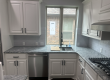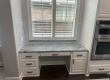
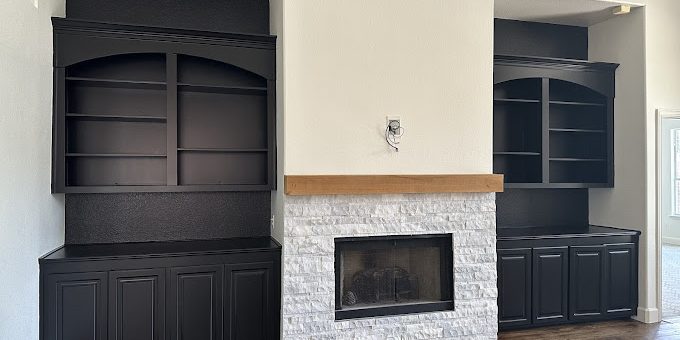
Cabinet color change can dramatically refresh a kitchen, but the finish only looks right when preparation, priming services, and topcoat application are done with care. This guide walks you through what to check before the first coat goes on, plus common mistakes that can lead to chips, dull sheen, or uneven coverage in your Allen, TX home.
Your kitchen cabinets look fine from a distance, but up close you can see the wear: scuffs near the handles, a finish that looks slightly blotchy under morning light, and doors that never quite match the same sheen.
Maybe you have a new backsplash and countertops planned, or maybe you just want a cabinet color change that feels fresh without a full remodel. The question is simple: will cabinet painting hold up to daily use and still look smooth and even?
This guide helps you understand the steps behind cabinet refinishing success, how to prepare the surfaces properly, and what decisions matter most for durable, good-looking results in Allen, TX.
Quick Answer
If you want cabinet painting results that look smooth and stay looking good, focus on surface preparation and the right priming services before any paint goes on. Cabinets need thorough cleaning, proper degreasing, and attention to edges, rails, and corners where problems start. If your existing finish is glossy or peeling, cabinet refinishing usually requires extra prep so the new coating can bond evenly.
For the best outcome in Allen, TX, plan around drying and curing time, and consider professional surface preparation and priming services for a consistent finish across doors and drawers.
What to Check First
Before you pick a color, check the condition of your cabinet surfaces. The biggest “surprises” during cabinet painting often come from issues you could spot early.
1) Surface condition
Look for peeling, flaking, soft spots, or rough patches around hardware. If the finish is failing, you need more than a light scuff and a topcoat.
2) Grease and film
Kitchens build up oils over time. Areas near the stove and sink can stay contaminated and cause adhesion problems if not cleaned properly.
3) Door and drawer fit
Check for uneven gaps and alignment. If doors rub or sit crooked, you may need adjustments before painting so the final finish doesn’t highlight uneven wear.
If you’re also planning drywall repair or drywall finishing in the same room, it can make the whole kitchen look more cohesive. You can explore drywall services from MJ Workforce Solutions for the prep work that supports a clean final look.
Professional observation: Cabinet painting can look “perfect” on day one and still fail early if grease, dust, or old residue interferes with bonding. Good results come from preparation you cannot see once the doors are mounted.
Main Things Customers Should Understand
Cabinet refinishing is not just choosing a new shade. The finish quality depends on several practical factors that affect how paint levels, cures, and withstands daily use.
Cabinet color change planning
When you change from a darker cabinet to a lighter tone, the number of coats and the priming services matter. Going too fast often leads to uneven coverage or a finish that looks patchy under bright kitchen lighting.
Cabinet painting vs. kitchen cabinet staining
If you want to keep the wood character visible, kitchen cabinet staining may be the better route. Staining and topcoats behave differently than opaque paint, so the prep and expected final look are not the same.
Cabinet refacing and cabinet refinish expectations
Sometimes homeowners combine cabinet refacing goals with repainting. If you’re replacing hardware, updating the door style, or changing the overall layout, plan the order of operations so your finish matches the final hardware and door alignment.
For a broader overview of cabinet painting service options in your region, you can review cabinet painting service areas in Allen.
Helpful decision point: If your cabinet doors have a glossy finish or you notice uneven sheen, expect extra preparation. That is usually the difference between a “painted” look and a truly smooth, updated finish.
| Decision factor | Painting (Cabinet refinishing) | Staining (Wood-forward look) |
|---|---|---|
| Primary goal | Cabinet color change with a uniform, opaque finish | Preserve visible wood grain while updating tone |
| Surface readiness | Requires strong adhesion prep and consistent priming services | Requires even stain acceptance and matching topcoat plan |
| Common visual risk | Uneven coverage if prep or priming is rushed | Blotchiness if the surface is not evenly prepared |
| Best fit for | Cabinets with worn finish, scuffs, or a need for a clean modern look | Cabinets where you want warmth and character to remain visible |
| How to pick | Choose paint based on lighting and desired sheen level | Choose stain based on wood tone and how it will look in morning light |
Firsthand-style observation from the field
In many Allen kitchens, the cabinets are visually “stable,” but the finish tells a different story when the doors come off. The underside of doors and the edges around the rails often hold onto residue from cooking and cleaning products. When those areas are prepped correctly, the final finish looks more uniform and resists early wear around the places you touch most.
Why This Matters in Allen, TX
Allen, TX homes often balance open kitchens with heavy day-to-day use. That means cabinets see frequent wipe-downs near the sink and stove, plus temperature swings that can affect how coatings level and cure. Planning for proper surface preparation and allowing adequate drying and curing time helps the finish look consistent across doors and drawers.
If your kitchen is part of a larger interior refresh, it can also help to coordinate with other surfaces. For example, pairing cabinet painting with w allpaper installation or a plan for wallpaper removal can reduce the risk of mismatched timelines and keep your overall room finish looking intentional.
Get a kitchen cabinet plan that fits your goals
MJ Workforce Solutions can help you think through cabinet color change, prep priorities, and finish expectations so you get the look you want for your Allen, TX kitchen.
Contact MJ Workforce SolutionsCommon Mistakes to Avoid
Cabinet painting mistakes usually come from shortcuts that seem minor at the time. Here are the ones homeowners in Allen run into most often.
Skipping thorough cleaning
Grease and residue can prevent proper bonding, leading to early dull spots or chips in high-touch areas.
Underestimating priming services
Old finishes, stains, and glossy surfaces often need the right primer approach to support even coverage.
Rushing dry time between coats
When coats go on too soon, the finish may not level properly, and the sheen can look inconsistent across doors.
Another frequent issue is ignoring detail work around edges, corners, and caulking and sealing areas. Even if the flat panels look good, these transition points can reveal gaps, uneven coverage, or rough lines. If you’re dealing with interior walls that need patching before the kitchen refresh, drywall services can help you keep the final room looking clean and aligned.
Customer Checklist
- Confirm your target look: cabinet color change, cabinet refinishing, or kitchen cabinet staining
- Inspect doors and drawers for peeling, flaking, or worn finish near handles
- Plan for surface preparation and degreasing, especially near the stove and sink
- Ask how priming services will be handled for your current cabinet finish
- Schedule drying and curing time so the finish can level and harden properly
- Check hardware plans (reuse, replace, or reposition) before the final coats
- Protect surrounding surfaces during painting and coordinate any nearby drywall finishing
Representative Scenario: From Scuffed to Smooth
A homeowner in Allen wanted a brighter kitchen without replacing cabinets. The existing doors had visible scuffs near the handles and a slightly uneven sheen. MJ Workforce Solutions focused on thorough cleaning, careful surface preparation, and priming services designed for the cabinet finish. After the topcoat, the doors looked uniformly updated, and the high-touch areas stayed cleaner longer because the coating system was applied with consistent prep and attention to edges.
Frequently Asked Questions
How do I know whether my cabinets should be painted or stained?
If you want a solid, uniform cabinet color change, cabinet painting or cabinet refinishing is usually the best fit. Staining is ideal when you want to keep wood grain visible and update the tone instead of covering it. A practical way to decide is to look at how your cabinets look in different lighting. If the surface already has uneven sheen or wear, painting often helps create a consistent appearance, while staining typically requires surfaces that can accept stain evenly.
What preparation step makes the biggest difference in cabinet painting?
Surface preparation is the deciding factor. In kitchens, residue is common from cooking oils and cleaning products, especially around the stove, sink, and areas you wipe frequently. Thorough cleaning and proper prep help the paint system bond consistently. When prep is rushed, the finish may look fine at first but can fail early. For durable results, prioritize cleaning, any needed repair work, and priming services that match your existing cabinet finish.
Will cabinet painting hold up to daily use?
Cabinet coatings can hold up well when the prep, priming services, and topcoat application are done correctly. Daily use mainly stresses high-touch areas like rails, edges, and handle locations. If those areas are prepared well and the coating is applied with even coverage, the finish is more likely to resist early chipping or dulling. Planning drying and curing time also matters because a coating that is still hardening may not perform as well.
Can I do wallpaper installation or removal around the same time as cabinet painting?
Yes, it can work, but timing matters. If you’re doing wallpaper installation or wallpaper removal, it can create dust and require room preparation that affects nearby surfaces. Coordinate the order of projects so cabinets are protected during wall work and so you do not accidentally contaminate freshly painted surfaces. A simple approach is to complete wall changes first, then paint cabinets once the space is clean and stable.
What’s a practical first step for my Allen, TX kitchen?
Start by identifying your target outcome: cabinet color change with an opaque finish, or kitchen cabinet staining for a wood-forward look. Next, inspect for any peeling, flaking, or rough areas that indicate the current finish is failing. From there, plan for surface preparation and priming services that match your cabinet material and existing finish. If you also need drywall repair or drywall finishing, address those items early so the final kitchen looks cohesive.
Ready to refresh your kitchen cabinets?
MJ Workforce Solutions serves Allen, TX and surrounding areas. If you want stunning cabinet painting results that look consistent and feel durable, reach out to plan your cabinet refinishing or cabinet color change.
(945) 253-0961