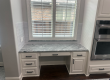

Kitchen Cabinet Staining for a Rich, Custom Look
If your cabinets look tired or feel too “builder basic,” staining can add depth, warmth, and a tailored finish. This guide explains what to check before you stain, how the process works for cabinet refinishing in Allen, TX, and what common mistakes to avoid so your results look great for the long haul.
Maybe your kitchen cabinets are still structurally fine, but the color is dated, the sheen is inconsistent, or the wood grain just does not pop the way you expected. You might be tempted to jump straight into staining, especially if you like the idea of a richer, more custom look than standard cabinet paint.
Before you choose a stain color, it helps to understand how cabinet surfaces behave, why surface prep matters, and what “good results” depends on. This guide walks you through the practical steps and decisions behind kitchen cabinet staining and cabinet refinishing so you can plan confidently in Allen, TX.
Quick Answer
For a rich, custom look, kitchen cabinet staining usually comes down to one thing: proper surface preparation. If your cabinets have old coatings, uneven wear, or contamination from cooking and cleaning, stain can look blotchy or fade quickly. Start by confirming the cabinet material and current finish, then plan for cleaning, sanding, and priming or conditioning as needed. If you want a consistent tone across doors and drawer fronts, use an experienced approach that includes careful testing on a less-visible area before committing to the final stain.
What to Check First
Before you pick a stain shade, take a quick inventory of what is already on the cabinets. A “beautiful stain color” can still turn out disappointing if the substrate is not ready to accept it.
1) What finish is on the cabinets now?
Stain behaves differently over raw wood, sealed surfaces, and older finishes. If there is an existing coating that blocks penetration, you may need a thorough paint removal or surface prep step before staining.
2) Are there worn spots or uneven sheen?
High-touch areas near handles and around cooking zones often look different from the rest. Those variations can show through after staining if the prep is rushed.
3) Do you want to keep the wood character?
Staining highlights grain. If your cabinets are painted or you want a complete color change without wood-grain emphasis, cabinet painting or a refacing approach may better match your goal.
If you are also considering a broader cabinet refresh, MJ Workforce Solutions offers kitchen cabinet staining services designed for a consistent finish across doors, drawers, and trim details.
Main Things Customers Should Understand
Cabinet staining is more than choosing a brown or a “gray-brown.” The biggest driver of a rich, custom result is how the surface is prepped and how the stain is applied and sealed.
Professional observation: For most cabinets, the difference between “pretty” and “premium-looking” is the prep work and the consistency of application across every door and drawer front.
Surface preparation controls the final appearance
Kitchen cabinets see grease, steam, and frequent cleaning. Even when a surface looks clean, residues can interfere with stain absorption. Proper cleaning and abrasion help the stain lay evenly and reduce blotchiness.
Cabinet material matters (wood, laminate, and older finishes)
Different cabinet materials take stain differently. Some surfaces absorb more quickly, which can create lighter patches. Others resist penetration, which can require additional steps. A good process accounts for these differences so the final tone looks intentional.
Testing the stain tone prevents surprises
Stain colors can appear darker or lighter depending on the existing finish and the underlying surface condition. Testing on a discreet door or sample area is the practical way to confirm the look you want before staining everything.
Sealing is what protects the custom look
In a kitchen, the coating matters. A proper topcoat helps the stain hold up against everyday use, cleaning, and normal wear. Without the right sealing approach, the finish can dull unevenly over time.
When staining might not be the best fit
If your cabinets are painted and you want a dramatic color change without emphasizing wood grain, cabinet painting in Allen may align better with your outcome. Staining works best when you want to enhance wood character and achieve a warm, dimensional tone.
Why This Matters in Allen, TX
In Allen, TX kitchens, you often get a mix of daily cooking moisture, frequent cleaning, and seasonal changes in indoor humidity. That combination can highlight uneven finishes over time. When your cabinet stain is applied over a well-prepped surface and sealed appropriately, it tends to look more consistent as your kitchen environment shifts.
Also, many homes in the area feature established cabinetry and trim details. If your goal includes updating adjacent surfaces like doors, trim, or wood elements, coordinating the overall finish can make the stained cabinets look more “built-in” and less like a standalone project.
Related finishing options that homeowners commonly pair with cabinet work include drywall services when patching is needed around hardware changes or kitchen updates.
| Decision factor | Staining (cabinet refinishing) | Cabinet painting (cabinet color change) |
|---|---|---|
| Your goal | Warm, wood-forward tone that shows grain character | Solid color look, including modern or dramatic color change |
| Current cabinet finish | Works best when prep can support even stain absorption | Works well for painted surfaces or when you want a uniform color |
| Common risk | Blotchiness if prep is rushed or surfaces are uneven | Flaws show if sanding and priming are inadequate |
| Best match for | Homeowners who want depth and a “custom wood” feel | Homeowners who want a clean, consistent color across all doors and drawers |
Want a stain plan that fits your cabinets?
If you are in Allen, TX and want a richer kitchen look, MJ Workforce Solutions can help you think through prep, tone selection, and finishing steps for a consistent result.
Contact MJ Workforce SolutionsCommon Mistakes to Avoid
Staining can look amazing when done right, but a few missteps can cause problems you will see every day.
- Skipping the “real” surface prep: Cabinets may look clean, yet still have residue or uneven coatings that lead to inconsistent stain absorption.
- Choosing a stain color without testing: The same stain shade can look different depending on the existing finish and wood condition.
- Not planning for protective sealing: A beautiful tone that is not sealed properly can wear unevenly in a kitchen environment.
- Ignoring door and drawer consistency: If application is not controlled across all components, you can end up with noticeable tone differences.
- Overlooking adjacent surfaces: Hardware, trim, and nearby painted areas can make stained cabinets look mismatched if finishes are not coordinated.
Customer Checklist
- Confirm what finish is currently on the cabinet doors and drawer fronts (wood, painted, or sealed).
- Decide whether you want to enhance wood grain (staining) or switch to a solid color (cabinet painting).
- Schedule a stain tone test on a less-visible area to verify the final look.
- Plan for thorough cleaning and sanding or paint-removal steps if coatings are present.
- Ask how the finish will be sealed for kitchen durability and even sheen.
- Set expectations about prep time so the finished doors and drawers look consistent.
Representative Scenario: From dated to rich in an Allen kitchen
One homeowner in Allen, TX wanted a warmer, more custom look without replacing their existing cabinetry. The doors and drawer fronts were still in good shape, but the tone felt flat and the overall finish did not match the updated kitchen lighting. The project focus was kitchen cabinet staining with careful attention to prep and consistency, so each door and drawer front read as the same finish from room to room.
Because the cabinets had years of use, the prep steps were treated as the foundation. After testing the stain tone and coordinating the final sealing approach, the homeowner ended up with a richer look that felt more intentional and built-in.
Frequently Asked Questions
Can you stain cabinets that were previously painted?
Sometimes, but it depends on what is currently on the cabinet surface and how well it can be prepped. Painted cabinets may have coatings that block stain penetration, so the process may require paint removal and surface prep before staining. If the goal is a consistent color change rather than wood-grain enhancement, cabinet painting can be a better match. A surface assessment helps determine which path will produce the most even tone and durable finish.
Will kitchen cabinet staining look blotchy?
Blotchiness typically happens when a surface is uneven, contaminated, or has inconsistent coatings that absorb stain at different rates. The most practical way to reduce that risk is thorough cleaning and prep, plus testing the stain tone on a discreet area first. Homeowners in Allen, TX kitchens often notice residue and wear near high-touch areas, so even prep across doors and drawer fronts is key to a uniform appearance.
How do I choose the right stain color for my kitchen?
Start by thinking about what you want the cabinets to do in the room. Lighter stains can brighten a kitchen, while deeper tones add warmth and contrast. Because stain can look different depending on the cabinet surface condition, test samples are the safest way to confirm the final look. If you are also updating trim or doors, coordinate your cabinet tone with the surrounding painted finishes so everything reads cohesive.
Do I need to seal stained cabinets?
Yes. Sealing is what helps protect the stained finish in a kitchen, where cabinets face frequent cleaning, cooking moisture, and everyday wear. A good sealing approach also supports more even sheen across doors and drawers. Without proper protection, the finish can dull unevenly over time. If you are planning cabinet staining, make sure the process includes a finishing system designed for kitchen use.
What if I want a kitchen cabinet refresh but not wood-grain emphasis?
If you want a solid, uniform color change rather than highlighting wood grain, cabinet painting or cabinet refacing approaches may better fit your goal. Staining is most effective when you want to enhance the character of the wood. A quick decision step is to look at your current cabinet finish and decide whether the “warm wood” look is what you want. If not, a painting approach can deliver a more consistent color across every door and drawer front.
Ready to get the rich, custom look you pictured?
MJ Workforce Solutions helps homeowners in Allen, TX plan and execute kitchen cabinet staining with the prep and finishing details that drive a consistent result.
(945) 253-0961