If your rooms look dull, dated, or uneven, the right interior painting plan can bring everything back into balance. This guide walks you through what to check before work begins, how to avoid common pitfalls, and which prep details matter most for clean lines and a finish that lasts.
You planned a quick refresh for your living room in Allen, TX, but the walls don’t look “ready” up close. Maybe you see patches where drywall was repaired, scuffs near doorways, or a sheen that makes some areas look darker than others.
When you’re choosing Interior Painting, the biggest question is usually the same: will new paint fix the look, or will the surface issues show through?
This guide helps you understand the prep, finish, and project decisions that affect how modern your space will feel after painting, including options like Cabinet Painting, Kitchen Cabinet Staining, and Drywall Services when needed.
Quick Answer
If your goal is a modern refresh, start with surface prep, not paint color. In most homes, issues like minor wall damage, uneven drywall finishing, or old patchwork can show through unless they are properly addressed first. Before the first coat, confirm the plan for cleaning, patching, priming where needed, and careful edge work around trim and doors. If you also want a coordinated look, consider whether cabinet painting or related surface work should be handled in the same project window to keep your finish consistent.
What to Check First
Before paint hits the walls, take a walk-through with a critical eye. You are not just looking at what looks “off” from across the room. You are looking for what will affect adhesion, smoothness, and how evenly the color will read in different lighting.
Surface condition
Identify scuffs, nail pops, cracks, and any areas that feel rough. If the walls have been patched before, the edges can telegraph through paint if they are not blended.
Trim and door edges
Modern interiors often rely on crisp lines. Decide early whether you want Trim Painting and Door Painting included so the project looks intentional.
Existing finishes
Glossy surfaces, stained wood, or areas with older coatings may require specific prep and priming. If you are updating cabinetry, plan for Cabinet Refinishing or a similar approach.
Main Things Customers Should Understand
Interior painting success is mostly preparation and matching the right finish to the room’s real use. Here are the key factors homeowners in Allen, TX typically run into, especially in homes where renovations were done in phases.
Professional observation: The “final look” is often decided before any color is rolled on. When drywall patches, texture, or glossy surfaces are not addressed, paint can highlight imperfections and create an uneven sheen that is hard to fix later.
1) Drywall finishing and repairs drive the smooth look
If you see uneven spots, bubbles, or seam lines, the painting process will not hide them reliably. Addressing the wall first matters, especially for a modern, clean finish. If you need help with wall repairs, MJ Workforce Solutions offers drywall services designed to support a consistent paint result.
2) Priming is not optional on many surfaces
Primer helps with adhesion and uniform color absorption. It is commonly needed when there are repairs, stains, or areas with different existing paint types. Skipping primer can lead to blotchy coverage or spots that look darker or lighter after drying.
3) Edge work and caulking create the “finished” feel
Modern interiors look intentional because edges are straight and transitions are smooth. Proper masking, careful cutting-in around trim, and Caulking and Sealing where appropriate help reduce gaps that can make paint lines look messy.
4) Color planning should include natural light
Two rooms can look like different colors even when the same paint is used, because light changes throughout the day. If you are planning an accent wall, stairwell, or open-concept flow, test samples and think about how the color will shift from morning to evening.
Why This Matters in Allen, TX
In Allen, TX, homes experience real temperature and humidity swings that can affect how surfaces behave before and during painting. Many properties also have mixed materials, such as painted wood trim, patched drywall from earlier work, and areas that get heavy everyday wear near doors.
That is why a good interior painting plan in Allen focuses on surface preparation, correct priming, and consistent finishing across rooms. When the prep is done right, your walls look smoother, transitions around trim look cleaner, and your new color reads evenly.
Local tip: If your rooms include high-traffic entry paths, plan for extra attention where scuffs happen. A modern refresh often fails in the same “wear zones” if prep and edge work are rushed.
Common Mistakes to Avoid
These are the missteps that commonly lead to rework or disappointing results. Use this section as a quick quality check before you commit to any painting plan.
| Common mistake | What it causes | A better approach |
|---|---|---|
| Painting over rough patches without proper smoothing | Seam lines and uneven texture show through, especially under angled light. | Address drywall repair and finishing first, then prime as needed before color. |
| Skipping priming on repaired or stained areas | Blotchy coverage and inconsistent color depth after the paint cures. | Use primer where the surface demands it so the color absorbs evenly. |
| Inconsistent sheen across rooms | Some walls look shinier or darker, making the refresh feel unfinished. | Confirm sheen selection room-by-room and keep it consistent for the look you want. |
| Rushing edges around trim, doors, and window frames | Wavy lines and visible gaps make the work look less “modern.” | Plan masking, cutting-in, and caulking so transitions read clean and crisp. |
Customer Checklist
- Walk the home and mark scuffs, cracks, nail pops, and any rough patched areas.
- Confirm whether Drywall Repair, Drywall Installation, or Drywall Patching is needed before paint.
- Decide if you want trim, doors, and window frames included for a consistent finish.
- Ask how surfaces will be cleaned and prepped before priming and color coats.
- Choose sheen intentionally for each space based on use, not just appearance.
- If updating cabinetry, plan whether kitchen cabinet staining or cabinet painting should match your wall color timeline.
- Request a clear plan for caulking and sealing so edges look smooth after the paint cures.
Representative scenario (what a real project often looks like)
A homeowner in Allen, TX wanted a brighter living room and hallway. On inspection, they had small drywall patches from earlier repairs, plus scuffing near the entry. The plan started with smoothing and priming those areas so the new Interior Painting color would read evenly. Trim and door edges were handled carefully to keep the lines crisp, giving the hallway a more modern, finished feel. The result was not just “new color,” but a more uniform surface that looked clean from every angle.
Ready to plan your modern interior refresh?
Talk through your walls, trim, and any cabinet or patchwork needs with MJ Workforce Solutions in Allen, TX.
Call MJ Workforce SolutionsFrequently Asked Questions
Will new interior paint hide drywall patchwork?
Paint can improve the look, but it typically cannot “erase” problem areas if the surface was not properly prepared. Rough patch edges, uneven smoothing, or inconsistencies in drywall finishing can show through after the paint dries, especially under natural light. A good approach is to address Drywall Repair and Drywall Finishing first, then apply primer where needed so the color lays evenly across the wall.
Should I paint trim and doors with the walls?
If you want a truly modern look, trim and doors are usually part of the plan. Walls can look refreshed while trim still appears dated, scuffed, or mismatched in sheen. Coordinating edge work around doors, baseboards, and other details helps the entire room feel intentional. It also reduces the chance of having to revisit the same areas later for touch-ups.
Can cabinet color change work with an interior painting project?
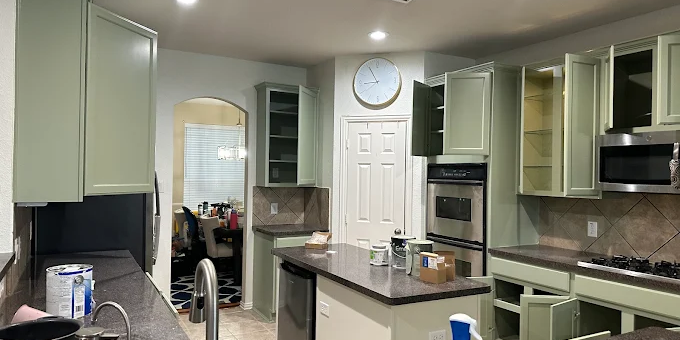
Yes, and it is often easier when you coordinate timing and surface prep. Cabinet updates can be a major visual shift, especially in kitchens and nearby living spaces. Depending on your goals, you might consider Cabinet Painting, Cabinet Refinishing, or Cabinet Refacing options. If your cabinets are in the same line of sight as the rooms you are repainting, planning them together helps the new finishes look consistent.
What if my walls have texture or older coatings?
Texture and older coatings can affect how paint adheres and how evenly it covers. In some situations, you may need additional surface preparation before priming or color coats. If you are dealing with textured surfaces you want to change, ask about the prep steps that would be required and whether related services like Popcorn Texture Removal or Texture Matching apply. The goal is to make the wall surface consistent so your finish looks uniform.
How do I keep my new paint looking clean in high-traffic areas?
High-traffic areas tend to show scuffs and wear faster, especially near entryways and door paths. The best results come from careful surface prep, correct primer use, and consistent finishing. Also consider whether the project should include edge work around trim and doors so gaps and thin spots do not become problem areas. If you are updating multiple surfaces, coordinating the work can help keep the overall look cohesive.
Get a plan for your Allen, TX interior painting refresh
If you are ready to align your walls, trim, and any related surfaces for a modern finish, MJ Workforce Solutions can help you map the steps from prep to final coats.
Visit MJ Workforce Solutions