
MJ Workforce Solutions helps Allen, TX homeowners and property managers plan an interior paint refresh that looks crisp, covers evenly, and holds up to everyday wear. This guide walks you through what to check before painting, the details that impact the final look, and how to avoid common problems when you want clean lines, smooth walls, and a coordinated finish.
You finally pick a new color for your living room in Allen, TX, but a week later the walls look blotchy near the corners and the sheen looks uneven. Then you notice scuffs around the doorways and a faint shadow where an old repair was painted over.
Most of the time, the issue is not just the paint. It is the surface preparation, the drywall repair quality, the priming plan, and how the paint is applied around trim and transitions.
Use this guide to understand what to check first, how to think about cabinet painting and kitchen cabinet staining, and what to expect when you want a professional-looking refresh throughout your home.
Quick Answer
If your goal is a clean, even interior finish, start by addressing surface issues before paint touches the wall. Check for drywall imperfections, flaking paint, stains, and areas around trim where caulking and sealing should be refreshed. A good plan usually includes proper surface preparation, priming services where needed, and drywall finishing techniques that reduce noticeable texture differences. If you are also updating cabinetry, decide early between cabinet painting, cabinet refinishing, or kitchen cabinet staining so the finish matches the room. For the best results in Allen, TX, coordinate wall and trim work as one system, not separate tasks.
What to Check First
Before you choose a color, walk the rooms with a “finish checklist.” You are looking for anything that will telegraph through paint: repairs, stains, texture changes, and edges that need crisp lines.
Wall condition
Confirm whether drywall repair is needed, and whether any areas were previously patched, spackled, or painted over without proper prep.
Trim and transitions
Inspect baseboards, door frames, and window frames. Even the best interior painting can look “off” if caulking and sealing around edges is missing or cracked.
Previous finishes
Check for glossy paint, water spots, or lingering odors. These often require priming services to help new paint adhere and look uniform.
If you have wallpaper in any rooms, determine whether you need wallpaper installation or removal first. Removing old material and managing the underlying surface is a major factor in how smooth your final walls will look. For guidance on updates, explore wallpaper installation and wallpaper removal in Allen.
Main Things Customers Should Understand
Interior painting goes beyond rolling paint onto walls. The “precision” part is how the work is sequenced, how surfaces are prepared, and how the final sheen and color consistency are controlled from room to room.
Professional observation: In homes across Allen, TX, the most noticeable paint problems usually appear at edges and repairs. Corners, around outlets, and transitions between wall and trim can reveal missed prep, inconsistent priming, or drywall finishing that does not blend.
1) Drywall services set the foundation
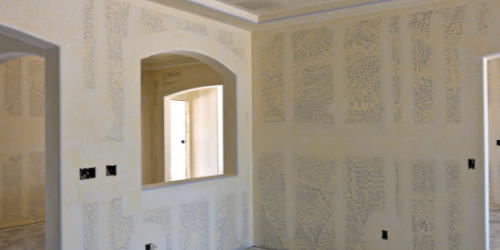
If you have nail pops, small cracks, dents, or uneven patches, drywall services should be handled before painting. Whether you need drywall repair, drywall installation, drywall patching, or drywall finishing, the goal is a smooth, stable surface that paint can look even on.
For details on the full scope, see drywall services.
2) Priming services and stain control
Priming services are not just a “step to add time.” They help new paint adhere and prevent stains from showing through. This matters if you have water-related discoloration, previously painted repairs, or areas that were patched and sanded.
3) Cabinet painting and kitchen cabinet staining require a different mindset
Cabinet refinishing, cabinet refacing, and cabinet color change projects are often treated like regular wall painting, but cabinetry demands a tighter approach. Kitchens need finishes that can handle daily use, steam, and frequent cleaning. If you are aiming for cabinet painting, kitchen cabinet staining, or a full cabinet refacing update, the preparation and finish selection are critical to a uniform look.
To align your kitchen plan, review kitchen cabinet staining.
4) Trim painting and door painting define the “sharp” look
Homeowners often notice crisp trim first. A precise interior painting job typically includes trim painting, door painting, and window frame painting with attention to edges and consistent coverage. That is also where caulking and sealing makes a visible difference.
| Project area | What usually needs attention | Common outcome when done well |
|---|---|---|
| Walls | Drywall repair, drywall patching, surface preparation, and drywall finishing | Even color with fewer visible repair “ghost lines” |
| Trim and doors | Caulking and sealing, clean edges, and consistent sheen | Sharp transitions between wall and trim |
| Kitchens and cabinets | Cabinet refinishing prep, finish compatibility, and coordinated color | A smoother, more intentional cabinet appearance |
| Accent walls | Color consultation planning and clean masking lines | Bold color without uneven coverage |
Why this matters in Allen, TX
Allen, TX homes can vary widely in age and construction type, and that shows up during painting. Older interiors often have patchwork repairs, and newer builds can still have texture differences between drywall sections. When you repaint in Allen, TX, you usually want the final finish to look consistent across rooms that experience different lighting at different times of day.
One practical local consideration is how sunlight moves through windows. That is why color consultation and consistent prep matter. Small patch areas that look fine under one light can show up under another. The best interior painting results come from treating the project as a coordinated system, not a series of quick wall touch-ups.
Ready to plan your interior refresh in Allen?
Tell MJ Workforce Solutions what rooms you want to repaint and whether cabinets or trim are part of the update. We will help you map the scope so walls, drywall finishing, and cabinet painting or kitchen cabinet staining work together.
(945) 253-0961Common Mistakes to Avoid
These are the issues that most often lead homeowners to repaint sooner than expected or to see imperfections right after the job is finished.
Good to know: The “problem” is often a prep or sequencing issue. Fixing it later usually costs more than doing it correctly before paint.
- Skipping drywall repair and drywall patching so paint covers dents and cracks instead of correcting them.
- Relying on paint alone over stained areas without appropriate priming services, which can cause discoloration to bleed through.
- Not planning trim painting and door painting alongside wall color, leading to mismatched sheen or visible edge lines.
- Treating cabinetry like wall paint when doing cabinet refinishing or cabinet color change, which can affect adhesion and finish uniformity.
- Choosing an accent wall color without checking how it looks in your lighting, especially near openings, hallways, and adjacent rooms.
Customer Checklist
- Walk each room and note nail pops, dents, cracks, and uneven patch areas that need drywall repair or drywall patching.
- Identify stains or discoloration so priming services can be planned before the final coat.
- Check caulking and sealing around baseboards, door frames, and window frames where edges have gaps or cracking.
- Decide whether your project includes cabinet painting, kitchen cabinet staining, or cabinet color change so the kitchen finish is coordinated.
- Match your sheen expectations across walls and trim to avoid “shiny spots” or dull transitions.
- Confirm the scope of work includes drywall finishing for smooth blending, especially around repaired sections.
- If wallpaper is part of the plan, choose whether you are doing wallpaper installation or wallpaper removal first.
Representative Scenario
A property manager in Allen, TX planned a tenant turnover refresh for a two-story townhouse. The walls had several patch repairs and one room with a slightly different texture. They also wanted a tighter look on the doors and trim for photographs and move-in inspections.
The work plan focused on drywall finishing first, followed by priming where needed, then coordinated trim painting and door painting to create consistent edges. Because the kitchen cabinets were part of the update, the team planned around cabinet painting and kitchen cabinet staining so the cabinet look matched the new interior palette. The result was a uniform visual finish that did not highlight the earlier patchwork.
Frequently Asked Questions
How do I know if I need drywall repair or just a paint touch-up?
If you feel raised spots, see cracks that widen when viewed closely, or notice dents and uneven texture, you likely need drywall repair or drywall patching before painting. Paint can cover color differences, but it rarely makes damaged drywall “disappear” if the surface is uneven. A simple check is to run your hand over the area in daylight and compare it to the surrounding wall. If the texture changes, plan for drywall finishing so the final coat looks consistent.
What is the difference between cabinet painting and kitchen cabinet staining?
Cabinet painting creates an opaque color on the cabinetry surface, while kitchen cabinet staining is designed to highlight wood grain and color the material. Your choice affects the overall look, how the finish interacts with lighting, and how you coordinate the cabinets with your wall color. If your cabinets already have a durable finish, surface preparation and priming services can be especially important so the new finish adheres and stays uniform across doors and frames.
Can I paint over wallpaper, or do I need wallpaper removal first?
In most cases, wallpaper should not be painted over if it is lifting, peeling, or showing seams. Wallpaper removal or preparation is often needed to create a stable surface for paint. If you are keeping existing wallpaper and adding color, you still want to evaluate whether the wall is smooth and secure. For a cleaner, more predictable result, many homeowners choose wallpaper removal first so drywall finishing and surface prep can be handled directly where the paint will bond.
Why do some rooms look uneven after interior painting?
Uneven appearance usually comes from differences in surface prep, priming, or drywall finishing. Repairs can blend well during preparation, but if they are not smoothed consistently, paint can make the variation more visible. Sheen differences between wall areas and trim can also make “patchiness” look worse under certain light. A good scope includes identifying problem areas early, addressing them before paint, and keeping trim painting and wall coverage coordinated for a uniform result.
Do I need to plan trim painting and door painting separately?
It is usually better to plan trim painting and door painting as part of the same workflow as the walls, especially if you are changing wall color. Coordinating caulking and sealing, edge work, and sheen helps prevent visible transitions. If the trim and doors are done later without matching the finish plan, you may end up with inconsistent sheen or color contrast. For a cohesive interior look, treat the room as one system: walls, trim, and doors planned together.
Get a precise interior painting plan for your Allen home
If you want a refresh that looks clean up close, MJ Workforce Solutions can help you line up drywall services, priming services, trim painting, and cabinet painting or kitchen cabinet staining so the finished rooms feel intentional.
Contact MJ Workforce Solutions