Kitchen Cabinet Staining Near Me for Fresh Look
If your cabinets look dull, uneven, or dated, a stain refresh can bring warmth back without replacing everything. This guide helps you understand what to check before staining, how the process works on real cabinets, and how to avoid the most common results homeowners regret.
Maybe you have light cabinets that look blotchy in certain lighting, or darker ones that feel “stuck” because the finish is peeling near the sink and handles. You want a fresh look, but you do not want to gamble on a stain that ends up uneven or too dark for the whole kitchen.
In Allen, TX, kitchens often get daily heat, humidity swings, and frequent cleaning. That combination can expose small prep issues fast, especially on cabinet doors and drawers. This guide explains what matters most before you choose staining, how to judge readiness, and how to plan a finish that looks consistent across the entire set.
- Quick answer
- What to check first
- Main things customers should understand
- Why this matters in Allen, TX
- Common mistakes to avoid
- Customer checklist
- Frequently asked questions

Quick Answer
Kitchen cabinet staining is a great option when your cabinet boxes and doors are structurally sound and the existing finish can be prepared properly. The biggest difference between “beautiful” and “disappointing” is surface preparation and stain compatibility. Before you commit, have the current finish assessed and request a clear plan for cleaning, sanding, priming if needed, and applying stain evenly to doors and drawers. If your cabinets have heavy peeling, deep damage, or prior coatings that do not respond well, cabinet painting or refinishing may be the safer path. If you are unsure, MJ Workforce Solutions can help you choose the right direction.
What to Check First
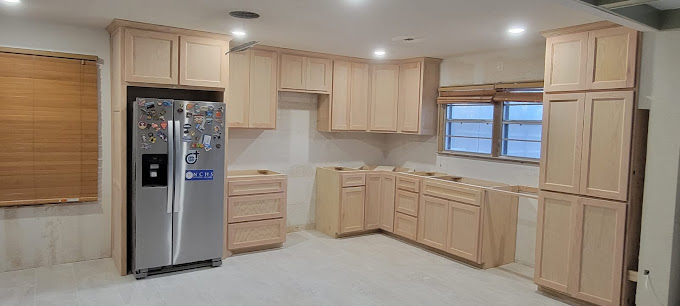
Start with the cabinet’s condition, not the color you want. Stain only looks as good as the surface underneath. Check for peeling, flaking, soft spots, water damage near the sink, and edges that feel rough when you run a hand over them. Also note whether the cabinet finish has a sheen that traps residue. A kitchen finish can hold grease film, and that can block stain from penetrating evenly.
Surface readiness
Look for peeling or glossy coatings that may not take stain uniformly. The goal is a stable surface that can be sanded and cleaned for adhesion.
Door and drawer quality
Staining works best when hinges, rails, and joints are tight and the wood grain is consistent. If you have loose hardware, address it first.
Color expectations
Stain depth depends on wood type, prior coatings, and how evenly the surface is prepped. A small test area or sample approach can prevent surprises.
Main Things Customers Should Understand
Firsthand, the most common “stain problem” is not the stain itself. It is uneven absorption caused by inconsistent prep, residue, or old finish that was not fully addressed. Even if the cabinets look clean, kitchens often have microscopic grease and cleaning product buildup. When stain hits that uneven surface, you can see darker and lighter patches once the finish dries.
Professional observation: The difference between a smooth, even cabinet stain finish and a blotchy one is usually the sanding and cleaning steps, plus whether the existing coating is compatible with staining.
Here is how MJ Workforce Solutions typically approaches a staining refresh on kitchen cabinets in Allen, TX: surface preparation to create an even profile, cleaning to remove contamination, and a finish system designed to match how your cabinets currently are built and finished. If you are also planning updates beyond color, you may want to coordinate with other interior work so the kitchen looks cohesive when everything is done.
If your project includes drywall repairs for the kitchen remodel work, you can review MJ Workforce Solutions drywall services so cabinet work and wall touch-ups do not end up out of sync.
Stain vs. paint: a practical decision
| Decision point | Staining tends to work best when… | Cabinet painting tends to work best when… |
|---|---|---|
| Goal | Bring out natural warmth and wood character | Create a uniform color change across doors and frames |
| Existing finish | The surface can be properly prepped for stain compatibility | The existing coating or damage makes stain results unpredictable |
| Uniformity | Wood grain and surface profile can be made consistent | You want consistent color coverage even if texture varies |
| Kitchen wear | You can maintain a protective, properly finished topcoat | You prefer a coating system designed for long-term durability over sealed surfaces |
Why This Matters in Allen, TX
Cabinets in Allen, TX go through daily temperature and humidity changes from cooking, washing dishes, and seasonal HVAC cycles. That environment can highlight any weakness in prep or finish uniformity. If your kitchen has older cabinets that were finished long ago, the surface may have absorbed residue over time, and stain can respond differently across doors depending on how the old finish wore in each area.
When you plan cabinet work in an active home, it also helps to think about workflow. If you are updating the kitchen and you need additional painting around the room, you can coordinate with MJ Workforce Solutions cabinet painting service areas in Allen to keep the final look cohesive.
Want a clear plan for your cabinet color change?
Share what your cabinets look like now and the look you want. MJ Workforce Solutions can help you understand whether kitchen cabinet staining, cabinet refinishing, or cabinet refacing is the better fit for your current finish.
Explore kitchen cabinet stainingCommon Mistakes to Avoid
Homeowners usually get frustrated when the stain turns out blotchy, too dark, or different from what they expected from a photo online. The root causes are often avoidable. One of the most common mistakes is skipping the deeper cleaning step. Another is assuming all cabinet doors absorb stain the same way, even when the old finish has worn unevenly over years of use.
- Staining over residue: Grease and cleaner buildup can block stain penetration, causing uneven color.
- Skipping surface prep: Glossy or peeling areas can lead to inconsistent absorption and finish adhesion.
- Choosing a stain shade without testing: Wood type, prior coatings, and sanding level can shift the final tone.
- Not planning the full kitchen finish: If trim painting, door painting, or window frame painting is needed, doing it later can disrupt the look and workflow.
If you are also updating trim, doors, or other interior surfaces, MJ Workforce Solutions can help coordinate related interior painting work. You can browse interior painting service areas in Allen to see how those details tie together.
Customer Checklist
Use this checklist to prepare for a cabinet staining project so the results are consistent and the process stays organized. If you can answer these points before work starts, your project tends to go smoother.

- Confirm the cabinet condition: doors, drawers, frames, and any areas near the sink.
- Ask how the team will clean and prep the surface for stain compatibility.
- Discuss whether a stain test area (or sample approach) makes sense for your wood and prior finish.
- Identify any needed repairs, including minor drywall repair work around the kitchen.
- Plan for hardware removal and reinstallation so edges and rails get even coverage.
- Decide on the final look: lighter refresh, darker warmth, or a more dramatic cabinet color change.
- Coordinate nearby painting tasks like trim painting so the kitchen matches when finished.
Representative Scenario
A homeowner in Allen, TX had honey-toned cabinets that looked fine in daylight but looked uneven near under-cabinet lighting. The doors were clean, but there were small rough patches and slightly darker spots around edges where old wear had built up. Instead of jumping straight to stain, MJ Workforce Solutions focused on making the surface profile consistent and addressing finish compatibility first. The result was a more uniform stain refresh that looked intentional across all cabinet fronts.
Frequently Asked Questions
Can I stain cabinets that have been painted before?
Sometimes, but it depends on what is on the surface now and how it responds to prep. If the existing coating is still glossy, peeling, or not compatible with staining, the final tone can be unpredictable. A proper assessment and surface preparation plan matters more than the stain color you pick. MJ Workforce Solutions can help evaluate whether your cabinets are good candidates for kitchen cabinet staining or whether cabinet painting or cabinet refinishing would produce a more consistent finish.
Why do stained cabinets look blotchy after drying?
Blotchiness usually comes from uneven absorption. That can happen when residue is left on the surface, when sanding levels vary between doors, or when old finish remains in some areas more than others. Even small differences in prep can show up after the stain dries. If you want a fresh look with consistent color, prioritize cleaning, sanding, and stain compatibility before the first coat is applied.
How do I choose a stain color for my kitchen?
Start with the tones already in your kitchen, such as countertops, flooring, and hardware. Photos online can be misleading because lighting and surface conditions change how stain looks. For the most reliable direction, discuss a test area or sample approach that reflects your wood and current finish. That helps you confirm whether you want a lighter refresh, a deeper warm tone, or a noticeable cabinet color change.
Do I need to remove cabinet hardware before staining?
In most cases, yes. Removing or temporarily taking off hardware helps ensure even coverage on door edges, rails, and areas that would otherwise be partially blocked. It also reduces the chance of uneven stain around screw locations. A clear plan for hardware removal and reinstall timing keeps the process organized and helps the final look stay consistent across all doors and drawers.
What if my cabinets have water damage near the sink?
Water-damaged areas should be addressed before staining so the finish does not highlight weak spots. Damage can affect how the surface absorbs stain and how well the topcoat holds up. If you also see related drywall issues around the kitchen, coordinating repairs can help the room look complete and uniform when the cabinet staining is finished.
Ready for a fresh cabinet look in Allen, TX?
If you want kitchen cabinet staining that looks even and intentional, MJ Workforce Solutions can help you map out the prep, finish compatibility, and color direction for your specific cabinets.
Call MJ Workforce Solutions
MJ Workforce Solutions
MJ Workforce Solutions provides painting services for homeowners and property owners in Allen, TX and surrounding areas. If you are exploring interior painting, cabinet painting, kitchen cabinet staining, drywall services, wallpaper installation, exterior painting, or related refinishing work, MJ Workforce Solutions can help you plan a finish that looks cohesive throughout your home.