Homeowners in Allen, Texas are paying closer attention than ever to what’s behind their paint colors, wall décor, and home renovations. As soon as you start planning a remodel, finishing a garage, or repairing a damaged interior wall, you quickly discover that understanding drywall installation is not just a contractor’s job. It’s a foundational skill that affects how smooth your walls look, how well they insulate noise, and even how long your finishes last. For beginners, drywall can seem intimidating – big panels, special screws, joint compound, and sanding dust everywhere – but once you break it down, the process becomes logical and surprisingly manageable.
Learning the basics of drywall installation gives you a huge advantage, whether you plan to tackle small projects yourself or simply want to speak the same language as your contractor. When you understand how drywall should be measured, hung, taped, and finished, you can make better decisions, spot shortcuts that might cause problems later, and protect the value of your property. For residents in Allen, TX, where homes range from new builds to older properties needing updates, having a working knowledge of drywall helps you maintain and improve your space with confidence.
MJ Workforce Solutions works with many homeowners who started with a simple repair and ended up wanting to know more about the entire drywall process. Once you see how much the quality of installation influences the finished look, you realize this is not a minor background detail. It’s the canvas for every paint color, every built-in shelf, and every decorative wall feature. Understanding drywall installation for beginners is about combining practical know-how, realistic expectations, and the right level of professional help when you need it.
What Drywall Actually Does
Before diving into tools and techniques, it helps to understand what drywall is and why it’s used so widely. Drywall, often called gypsum board or sheetrock, is made from a gypsum core sandwiched between thick sheets of paper. This simple structure creates a smooth, paintable surface that is relatively fire-resistant, easy to cut, and much faster to install than old-fashioned plaster. In modern homes around Allen, Texas, nearly every interior wall and ceiling you see is built with drywall.
Drywall does more than just give you a place to hang pictures. It plays a role in fire safety, sound control, and energy efficiency. Certain types of drywall are thicker or specially formulated to slow the spread of fire between rooms. Others are designed to resist moisture in bathrooms or kitchens. When installed correctly, drywall helps seal gaps in your framing, which can support your insulation and reduce drafts, contributing to a more comfortable home.
For beginners, recognizing drywall as a system, rather than just a flat board, is important. The panels, screws, joint tape, and compound work together to form a continuous surface. When any part of this system is done poorly – for example, screws driven too deep or seams taped incorrectly – you may see nail pops, cracks, or visible lines under your paint. Understanding these relationships is the first step toward evaluating whether a DIY approach is realistic for your project or whether it’s time to bring in a team like MJ Workforce Solutions for a professional result.
Planning Your Drywall Project
Many drywall problems start long before the first sheet goes up. Proper planning is essential, and beginners often underestimate this step. You’ll want to start by assessing the space: Are you covering bare studs in a new wall, repairing a damaged section, or replacing old, sagging drywall? Each situation requires a slightly different strategy. In Allen homes, it’s common to see a mix of new construction additions and older walls that may not be perfectly straight, so planning must account for those realities.
Next, think carefully about the type and thickness of drywall you need. Standard thickness for interior walls is often 1/2 inch, but ceilings may require 5/8 inch to reduce sagging and improve fire resistance. Bathrooms and laundry rooms may need moisture-resistant board, while garages attached to living spaces might require fire-rated panels by code. If you’re unsure, this is a good time to consult a professional or at least check local building requirements. MJ Workforce Solutions frequently helps Allen homeowners choose the right materials before a project even starts, which prevents costly changes later.
Don’t overlook access and logistics. Drywall panels are bulky and heavy, and getting them into the house, around corners, or up stairs can be challenging. Measure doorways, stairwells, and hallways to ensure the panels can be moved safely. Also, plan where you’ll store them flat and dry before installation. Good planning also includes gathering the right tools: a utility knife, T-square, drywall saw, drill or screw gun, drywall screws, tape, joint compound, and sanding tools. Beginners who assemble everything in advance usually have a smoother, less stressful experience.
Basics Of Hanging Drywall
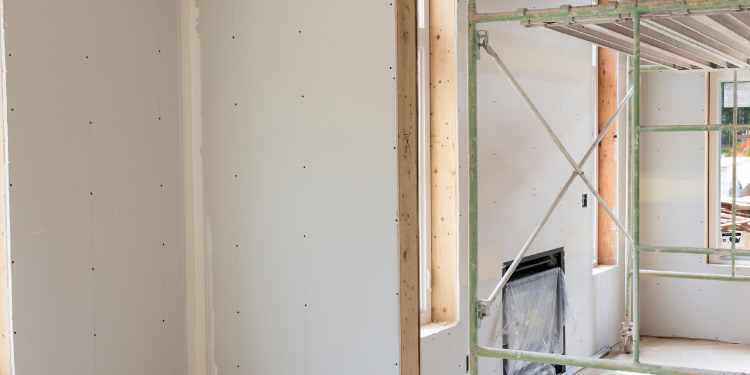
Hanging drywall is the stage where those large sheets finally start to look like walls, but for a beginner, this step can feel overwhelming. The key is to work methodically. Start by marking the locations of studs on the floor and ceiling with a pencil; these marks will guide where your screws go. In most cases, hanging drywall horizontally on walls (with the long edge parallel to the floor) helps reduce seams and create a stronger surface, especially in typical Allen, TX room sizes.
Cutting drywall is more about scoring than sawing. You measure carefully, mark your cut line, and use a sharp utility knife to score through the paper face and a bit of the gypsum. Then you snap the board along the score line and cut the paper on the back. For beginners, it’s easy to rush this step and end up with rough, uneven edges that make seams harder to finish. Taking time to measure twice and cut once pays off in cleaner joints and fewer headaches later.
When fastening the drywall, screws should be driven just deep enough to slightly dimple the paper without tearing it. Overdriving screws weakens their hold and can cause future pops. Screws should land on studs, spaced roughly every 12 to 16 inches, depending on local recommendations and whether you’re working on a wall or ceiling. For ceilings, having at least two people (or using a drywall lift) is practically a necessity. This is one of the points where many Allen homeowners decide to call MJ Workforce Solutions, especially for large ceilings or multi-room projects, because the physical demands and need for precision increase significantly.
Taping, Mudding, And Sanding
For most beginners, the real art of drywall installation lies in taping, mudding, and sanding. Hanging the panels creates the structure, but finishing the joints is what makes walls look smooth and professional. The process starts with applying joint tape over all seams and corners. Paper tape is common and strong, while mesh tape is easier to apply but requires careful mudding. Corners, especially inside corners where walls meet, need extra attention to keep them straight and crisp.
Joint compound, often called mud, is applied in multiple thin coats rather than one thick layer. The first coat embeds the tape and fills screw holes. After it dries, you apply a second, wider coat to feather the seam out beyond the joint, reducing the chance of visible ridges under paint. A third skim coat is often necessary for a truly smooth finish. Each coat must dry completely and be lightly sanded before the next. Rushing this process is one of the most common beginner mistakes and leads to bumps, cracks, or visible seams.
Sanding is messy but crucial. Use a sanding pole or sanding sponge and aim to blend the mud into the surrounding drywall, not to dig into it. Holding a work light at a shallow angle against the wall can help you spot imperfections that might not be obvious under normal room lighting. In Allen’s bright, sunny climate, natural light often reveals every flaw once the paint goes on, so investing time in careful sanding is worth it. Professionals like MJ Workforce Solutions often use dust-control techniques and specialized tools to minimize the mess, which is another reason some homeowners choose to outsource this step.
Common Beginner Mistakes To Avoid
Knowing what can go wrong is just as valuable as knowing the correct steps. One frequent beginner mistake is failing to stagger seams. When vertical seams line up from one row of drywall to the next, it creates a weak point that is more likely to crack. Staggering seams makes the wall stronger and easier to finish. Another issue is not leaving slight gaps at the floor and ceiling. Drywall should not be jammed tightly into corners; a small gap allows for movement and reduces stress on the panels.
Over-sanding is another trap. While it’s important to smooth the surface, aggressive sanding can expose the tape or damage the paper face of the drywall, which then requires more repairs. Beginners also sometimes use too much joint compound, thinking that more mud will create a smoother finish. In reality, thick applications are harder to sand, crack more easily, and take longer to dry. Thin, controlled layers are more effective and produce a better result.
Finally, many DIYers underestimate the importance of good lighting and ventilation during the installation process. Poor lighting hides imperfections until it’s too late, and inadequate ventilation makes drying times unpredictable and increases dust buildup. In the humid stretches of North Texas weather, moisture levels can also affect how joint compound dries. Working with a local team like MJ Workforce Solutions means your project benefits from experience with Allen’s specific climate conditions and how they impact drywall performance over time.
When To Call A Professional
Understanding drywall installation doesn’t mean you have to do every step yourself. In fact, one of the smartest things a beginner can learn is where their comfort zone ends. Small repairs, like patching a hole or replacing a single sheet, can be great DIY projects. But full-room installations, ceilings, stairwells, or projects requiring specialized drywall (such as fire-rated or moisture-resistant assemblies) often call for professional expertise.
Time and finish quality are major factors. If you need a room ready quickly for a move-in, home sale, or major remodel, the learning curve for drywall can be frustrating. Professionals can typically hang and finish drywall far faster and with fewer imperfections, which matters if you’re planning to apply high-end finishes or light-colored paints that show every flaw. In Allen, Texas, where many homes feature open layouts and plenty of natural light, smooth, consistent walls make a noticeable difference.
Drywall work also connects with other services. For example, if you’re removing old wall coverings as part of your project, that may involve specialized work like Wallpaper Removal before new drywall or repairs can be completed. MJ Workforce Solutions regularly coordinates these steps so that surfaces are properly prepared, installed, and finished in sequence. Even if you plan to do some of the work yourself, consulting with a professional can help you avoid missteps and plan a realistic scope for your DIY efforts.
Frequently Asked Questions
How do I know if I should repair or replace drywall? The decision depends on the extent and type of damage. Small dents, nail pops, and hairline cracks can usually be repaired with joint compound and sanding. However, if there is extensive water damage, mold, large holes, or multiple soft spots, replacement is often the safer choice. In Allen, where occasional plumbing leaks or roof issues can affect interior walls, it’s wise to cut out any sections that show signs of moisture or mold and replace them entirely. A professional inspection from a company like MJ Workforce Solutions can clarify whether repair or replacement is more cost-effective.
What tools does a beginner absolutely need for drywall installation? At a minimum, you’ll need a tape measure, utility knife with extra blades, drywall T-square, drywall saw, drill or screw gun, drywall screws, joint tape, joint compound, and sanding tools (sanding sponge or pole sander). A mud pan and a set of taping knives in different widths (for example, 6-inch, 10-inch, and 12-inch) are also very helpful. While there are many specialty tools on the market, beginners can complete smaller projects with this basic kit, adding more advanced tools later if they decide to take on larger installations.
How long does it take for joint compound to dry between coats? Drying time depends on the type of joint compound, the thickness of the application, and the room conditions. Standard pre-mixed compound may need 12–24 hours between coats, especially in cooler or more humid environments. Fast-setting, or “hot mud,” dries more quickly but is less forgiving for beginners. In Allen’s climate, using fans and maintaining moderate indoor temperatures can help ensure consistent drying. Always make sure the previous coat is completely dry and firm to the touch before sanding or applying the next layer.
Can I paint directly over new drywall? New drywall needs to be properly prepared before painting. After sanding and cleaning off dust, you should apply a quality drywall primer or primer-sealer. This step seals the porous surface of the drywall and joint compound, creating an even base for your paint. Skipping primer often results in blotchy or uneven color and poor paint adhesion. Professional crews in Allen typically consider priming an essential part of the drywall process, not an optional add-on.
Is drywall installation safe for a beginner to do alone? Small patch jobs or replacing a single panel at a convenient height can be safe for a careful beginner. However, handling full-size sheets, especially on ceilings or in tight spaces, can pose risks of strain, falls, or dropped materials. It’s always safer to have at least one helper when hanging larger panels. For bigger projects, or if you’re unsure about building codes and best practices, partnering with a professional like MJ Workforce Solutions ensures that the work is done safely, efficiently, and in compliance with local standards in Allen, Texas.