
Ultimate Guide to Cabinet Painting Techniques
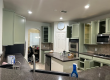
If you’ve lived in Allen for a while, you’ve probably noticed a trend: friends and neighbors are transforming their kitchens without ripping them out. A lot of that fresh, “new kitchen” look you see on local real estate listings and home tours? It’s not always new cabinetry—it’s smart, well-executed cabinet painting and refinishing.
Industry reports show that a full cabinet replacement can eat up 30–50% of a kitchen remodel budget, while professional cabinet painting often runs a fraction of that and can still boost resale value significantly. In a fast-growing city like Allen, where buyers expect updated interiors, that difference matters.
This guide walks you through the techniques, options, and decision points so you can confidently upgrade your cabinets—whether you’re refreshing a starter home near Stacy Road or modernizing a long-term home in Twin Creeks. You’ll learn how pros prep, prime, and finish; when to consider Kitchen Cabinet Staining; the pros and cons of cabinet refacing vs. repainting; and how to avoid common DIY pitfalls.
Key Insight: The difference between “DIY painted” and “factory-finished” cabinets isn’t magic—it’s process, products, and patience. Master those, and you can radically transform your kitchen without replacing a single box.
Understanding Your Cabinet Surfaces Before You Pick Up a Brush
Not all cabinets in Allen homes are created equal. Builders have used everything from solid oak to MDF and thermofoil, and each material demands a different approach if you want a durable finish.
Know what you’re working with
Most cabinets fall into a few categories:
- Solid wood (oak, maple, alder)
- Veneered plywood
- MDF (medium-density fiberboard) doors with wood frames
- Laminate or thermofoil fronts
Each reacts differently to sanding, primers, and topcoats. For example, solid oak with heavy grain behaves differently than smooth maple or MDF when you’re planning a sleek, modern finish.
“Correctly identifying your cabinet material is step one. Every other decision flows from that.” — MJ Workforce Solutions Lead Painter
In one Allen kitchen near Watters Creek, the homeowner assumed their cabinets were solid maple. A quick inspection showed MDF panel doors with a maple frame and a factory lacquer finish. Instead of aggressive sanding, our team used a bonding primer specifically formulated for slick surfaces, followed by a sprayed enamel. The result was a glass-smooth finish with no swelling or fuzzy edges that MDF can develop when over-sanded.
Check the surrounding conditions
Cabinet painting doesn’t happen in a vacuum. If your walls need work, you may need complementary services:
- Repairing dings or holes with Drywall Repair and finishing before painting
- Removing dated textures or patching around old soffits
- Addressing stain or moisture issues near sinks and dishwashers
CALLOUT: Spend time diagnosing your cabinet material and surrounding conditions. A half-hour of inspection can save days of frustration and prevent costly do-overs.
Prep Work: The Professional Secret Behind Flawless Cabinet Finishes
The number-one difference between professional cabinet painting and average DIY results isn’t the brush—it’s the prep. In Allen’s humid summers and dusty spring seasons, skipping prep is a recipe for peeling, chipping, and visible imperfections.
The essential prep sequence
A pro-level prep routine usually looks like this:
- Label and remove doors and drawers so everything goes back exactly where it belongs.
- Clean and degrease thoroughly. Kitchen cabinets accumulate cooking oils and residues that will repel paint.
- Scuff-sand existing finishes to create mechanical “tooth” for primer.
- Vacuum and tack-cloth to remove dust.
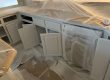
- Mask and protect floors, countertops, appliances, and inside cabinet boxes.
- Repair imperfections with filler, then sand smooth.
In a project off Bethany Drive, a homeowner had previously attempted to paint their own cabinets. The new paint was peeling near the stove and felt sticky months later. Our inspection showed minimal cleaning had been done before painting, and a low-quality latex had been brushed directly over a glossy factory finish. We fully stripped the failing areas using professional Paint Removal methods, degreased everything, and used an adhesion primer before applying a durable enamel. Two years later, the cabinets still look freshly painted.
Environment matters
Cabinet painting is part craftsmanship, part jobsite management:
- Control dust by isolating the work area.
- Maintain reasonable temperature and humidity for proper curing.
- Use proper ventilation for primers and topcoats.
“Surface prep and environmental control can turn an okay paint job into a showroom finish.” — MJ Workforce Solutions Project Manager
CALLOUT: If your painting quote seems very low, ask how much time is allocated for prep. A realistic schedule for full-kitchen cabinet painting in Allen is usually several days, not a single afternoon.
Primers, Paints, and Sprayers: Choosing the Right System for Your Cabinets
Once your cabinets are prepped, the products and application methods you choose will determine how professional your results look and how long they last.
Primer: the unsung hero
For cabinets, primer isn’t optional. It:
- Blocks stains and tannins (especially in oak and pine)
- Promotes adhesion on slick factory finishes
- Levels minor imperfections
Common options include:
- Shellac-based primers for heavy stain-blocking
- High-adhesion waterborne bonding primers for slick surfaces
- Oil-based primers (still used in some cases, though less common now)
On a job near Allen High School, we dealt with orange-toned oak cabinets that were bleeding through a homeowner’s attempt at white paint. Our team used a stain-blocking primer designed to seal tannins, applied two full coats, then finished with a waterborne enamel. The yellowing disappeared, and the white stayed crisp.
Paint types and techniques
For cabinet painting, you want coatings designed for trim and cabinetry, not wall paint. Key qualities:
- Hard, durable finish
- Good leveling (minimizes brush marks)
- Washable and stain-resistant
Application methods:
- Spraying: Delivers the smoothest, “factory” look. Requires skill, masking, and proper equipment.
- Brushing and rolling: More accessible for DIY, but needs high-quality tools and paints with excellent leveling.
Here’s a quick comparison:
| Approach | Finish Quality | Typical Use in Allen Homes | Notes |
|---|---|---|---|
| Brushed/Rolled Latex Trim Paint | Good to Very Good | Smaller kitchens, budget-conscious updates | Visible brush marks if not leveled well |
| Sprayed Waterborne Enamel | Excellent (factory-like) | Most professional cabinet projects | Faster, more uniform, very durable |
| Oil-Based Sprayed Finish | Excellent but less common | Specialty or legacy projects | Longer cure time, stronger odor |
CALLOUT: The best cabinet painting systems pair a bonding or stain-blocking primer with a dedicated cabinet/trim enamel, applied in thin, even coats—often sprayed for a truly professional result.
Paint vs. Stain vs. Refacing: Choosing the Right Path for Your Cabinets
Before you commit to painting, it’s worth understanding your full set of options. In Allen’s competitive housing market, sometimes a different approach delivers better ROI or fits your style better.
Painted cabinets
Best for:
- Outdated colors or yellowed finishes
- Busy oak grain you want to minimize
- Achieving modern whites, grays, or bold accent colors
Pros:
- Most dramatic visual change for the cost
- Wide color and finish options (satin, semi-gloss)
- Excellent for transforming builder-grade kitchens
Cons:
- Hides, rather than highlights, natural wood grain
- Requires meticulous prep and maintenance of high-use areas
Stained and refinished cabinets
If you love the idea of seeing wood grain, Kitchen Cabinet Staining or refinishing might be a better fit.
Best for:
- Solid wood cabinets in good condition
- Homeowners wanting a rich, natural look
- Transitional styles popular in many Allen neighborhoods
Pros:
- Highlights natural wood character
- Can shift tone (e.g., orange oak to a darker walnut)
- Often pairs beautifully with updated Faux Painting or accent walls
Cons:
- Limited by the underlying wood species and grain
- Dark stains show dust and fingerprints more readily
Cabinet refacing
Cabinet refacing replaces doors and drawer fronts and applies a new veneer to existing boxes. It sits between full replacement and painting on the cost spectrum.
Here’s a quick comparison tailored to Allen homeowners:
| Option | Approx. Cost vs. Full Replacement | Visual Impact | Typical Timeline | Best For |
|---|---|---|---|---|
| Professional Painting | 25–40% of replacement | High | 3–7 days | Solid boxes, good layout, budget-conscious |
| Staining/Refinishing | 30–50% of replacement | Medium–High | 4–8 days | Quality wood you want to showcase |
| Refacing | 50–70% of replacement | Very High | 5–10 days | Dated door style, but solid existing boxes |
In a recent project off Exchange Parkway, a family debated refacing vs. painting their solid maple cabinets. After walking through costs and timelines, they chose painted uppers and stained lowers. This hybrid solution gave them a custom look, kept the warmth of wood, and still came in well under refacing quotes.
CALLOUT: If your cabinet boxes are structurally sound and your layout works, painting or staining almost always delivers the best value in Allen’s market.
Color, Sheen, and Style: Designing Cabinets That Fit Your Allen Home
Technique is only half the story. The other half is design: choosing colors, sheens, and finishes that suit your home’s architecture, lighting, and neighborhood expectations.
Getting color right
Cabinet color isn’t chosen in isolation. It interacts with:
- Countertops (granite, quartz, laminate)
- Backsplash
- Flooring and adjacent rooms
- Natural and artificial light
“A white that looks perfect in a showroom can turn cold and blue in a north-facing Allen kitchen.” — MJ Workforce Solutions Color Consultant
Popular approaches in Allen homes:
- Soft whites and warm grays for a clean, timeless feel
- Two-tone cabinets (light uppers, darker lowers or island)
- Deep blues and greens on islands or accent sections
If you’re planning additional upgrades—like new tile, Wallpaper Installation, or Drywall Finishing—coordinate those choices from the start. A simple color consultation can prevent costly mismatches.
Choosing the right sheen
For cabinets, most professionals recommend:
- Satin: Soft sheen, hides minor imperfections, easy to clean
- Semi-gloss: Higher sheen, more reflective, very durable, shows more surface flaws
In busy Allen households with kids and pets, semi-gloss on lower cabinets and satin on uppers can be a smart compromise: durability where you need it most, softer reflections at eye level.
CALLOUT: Thoughtful color and sheen choices can make a professionally painted cabinet job look fully custom—and can help your home stand out in a crowded resale market.
Beyond Cabinets: Integrating Cabinet Painting into a Whole-Home Refresh
Cabinet painting often triggers a cascade of other updates. Done thoughtfully, you can leverage the project to refresh multiple areas of your home in a coordinated, budget-savvy way.
Coordinating with walls, ceilings, and trim
New cabinet colors can make old wall colors feel off. That’s why many Allen homeowners combine cabinet painting with:
- New Drywall Services to repair cracks, nail pops, or water damage
- Fresh wall and ceiling paint, including Popcorn Texture Removal for a modern look
- Updated Trim Painting and door updates for a cohesive feel throughout the home
In one Twin Creeks project, the homeowners started by asking for cabinet painting only. After seeing a digital mockup, they expanded to include a soft, warm wall color, updated baseboards, and a subtle accent wall in the breakfast nook. The overall effect felt like a full remodel, even though the footprint stayed the same.
Thinking beyond the kitchen
Cabinet techniques apply to:
- Bathroom vanities
- Laundry room cabinets
- Built-in bookshelves and media centers
- Garage storage, sometimes paired with Garage Floor Painting or epoxy coatings
And outside, a freshly updated interior often leads homeowners to refresh exteriors with services like Fence Painting, Deck Staining and Sealing, or full Exterior House Painting.
“Treat your cabinet project as an anchor point. With a clear vision, you can phase additional work over months or years without losing design cohesion.” — MJ Workforce Solutions Design Team
CALLOUT: A strategic plan that integrates cabinet painting with other interior and exterior updates can stretch your budget and create a unified look that feels intentional, not piecemeal.
What This Means for Homeowners in Allen, TX
For Allen homeowners, cabinet painting isn’t just about aesthetics—it’s about smart investment and lifestyle.
- The local real estate market rewards updated kitchens and baths.
- New construction in nearby communities raises buyer expectations for “move-in ready” finishes.
- Many homes built in the 1990s and 2000s now have structurally solid cabinets with dated finishes.
Instead of committing to a full remodel, you can:
- Transform a dark, oak-heavy kitchen into a bright, inviting space.
- Modernize bathroom vanities and built-ins to match today’s styles.
- Coordinate cabinets with new flooring, wall colors, or even Wallpaper Removal and reinstallation.
Cabinet painting techniques—proper prep, high-adhesion primers, sprayed enamels, and thoughtful color design—allow you to compete with newer homes without the disruption and expense of tearing everything out. And because Allen is a community where word-of-mouth and curb appeal matter, a beautifully updated kitchen can pay off every time you entertain or eventually list your home.
Frequently Asked Questions
Q: How long does professional cabinet painting actually take in an Allen home?
A: For a typical Allen kitchen with 25–35 doors and drawers, most projects run 3–7 working days, depending on complexity and whether you’re also updating walls, trim, or ceilings. The schedule includes on-site prep, priming, and painting of cabinet boxes, plus off-site or on-site finishing of doors and drawers. If you’re combining services like Drywall Patching or Wallpaper Removal, plan on a bit more time. You’ll usually have access to your kitchen for most of the project, though there may be short windows where doors need to stay off while coatings cure properly.
Q: Will painted cabinets chip or peel easily, especially with kids and heavy use?
A: When done correctly—with thorough cleaning, sanding, and a high-adhesion primer—professionally painted cabinets hold up very well. The key is using cabinet-grade enamels designed for doors and trim, not standard Interior Painting wall products. High-wear areas like trash pull-outs and under-sink doors may show wear sooner, but they can be lightly touched up as needed. In our Allen projects, we emphasize proper cure time before heavy use; rushing this step is one of the main reasons DIY jobs chip quickly.
Q: Should I paint or stain my cabinets if I have high-end wood like maple or cherry?
A: If your cabinets are solid maple or cherry and you appreciate wood grain, Wood Staining or refinishing can be an excellent choice. It preserves the natural character and often looks more appropriate in certain styles of homes. However, if the color is very dated or you’re aiming for a clean, modern aesthetic, painting can still be the better option. In Allen, we often see homeowners choose painted uppers with stained lowers to balance modern style with warm, natural materials.
Q: Can I live in my home during a cabinet painting project?
A: Yes, almost all of our Allen clients stay in their homes while we work. We set up containment to control dust, protect adjacent rooms, and maintain safe walkways. You’ll usually have partial kitchen function, though there may be short periods where certain areas are off-limits while coatings dry. If we’re also doing services like Texture Matching or ceiling work, we’ll plan the sequence to minimize disruption. Good communication about your schedule and needs helps us tailor the process to your household.
Q: How does cabinet painting compare in cost to full replacement in Allen?
A: While exact numbers depend on layout and materials, professional cabinet painting typically runs about 25–40% of the cost of full replacement using mid-range stock cabinets. When you factor in additional expenses—plumbing, countertops, potential Floor Coating repairs or replacement, and possible Paint Stripping—the savings can be substantial. For many Allen homeowners, this cost difference allows them to refresh multiple spaces (kitchen, baths, laundry) for less than the price of a single full cabinet replacement.
Q: What about strong cooking odors, grease, or previous DIY paint—can those be fixed?
A: Yes, but these situations require more intensive prep. Heavy cooking residue calls for aggressive degreasing and sometimes light Paint Removal in problem areas. Previous DIY paint that’s peeling or poorly adhered must be stabilized or stripped before new coatings go on. In some older Allen homes, we also encounter smoke or odor issues; in those cases, we may recommend specific sealers before priming. The goal is always the same: create a stable, clean surface so the new finish performs like it should.
Q: Can I just paint the doors and leave the cabinet boxes alone to save money?
A: Technically you can, but the results are rarely satisfying. Color and sheen mismatches between doors and boxes will stand out, especially under kitchen lighting. A better compromise in budget-conscious situations is to fully paint visible faces of boxes and doors, while leaving interior cabinet boxes in their original finish. This approach still uses professional Priming Services and enamels on all visible surfaces, giving you a cohesive look without unnecessary costs in hidden areas.
Ready to Get Started?
Cabinet painting is one of the most impactful upgrades you can make to your Allen home without taking on a full remodel. With the right techniques—thorough prep, smart primer and paint selection, and professional application—you can transform an outdated kitchen or bath into a space that feels fresh, current, and tailored to your style.
Allen’s real estate and renovation seasons tend to heat up in spring and early summer, which means reputable painters’ schedules fill quickly. If you’re targeting a move, a major holiday, or just want to enjoy your new space sooner, planning ahead is essential. The sooner you start the conversation, the more options you’ll have for timing, colors, and integrating related services like Drywall Installation, Decorative Painting, or exterior updates.
The next step is simple: schedule a consultation. We’ll walk your space, evaluate your cabinet materials and condition, discuss color and finish options, and provide a clear, detailed proposal—no surprises, just a roadmap to a kitchen or bath you’ll be proud of.
About MJ Workforce Solutions
MJ Workforce Solutions is a locally focused painting and finishing company serving homeowners in Allen, TX and surrounding communities. Our team specializes in cabinet refinishing, Interior Painting, exterior updates, and related services like drywall repair and texture work. With years of hands-on experience in North Texas homes, we understand the materials, styles, and conditions unique to this area. From meticulous prep to final walkthrough, our goal is simple: deliver finishes that look beautiful, perform well, and make your home a better place to live.