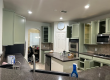

More than 60% of homeowners say their kitchen feels “brand new” after repainting their cabinets, even when nothing else in the room changes. That number surprises many people, because cabinet painting sounds simple on the surface—just a color swap. But in practice, the right cabinet painting ideas can completely transform how a space looks, feels, and even functions. Color, finish, placement, and technique all work together to create stunning outcomes that rival full renovations at a fraction of the cost.
In homes across Allen, Texas, this kind of transformation is especially powerful. Many houses have solid, well-built cabinetry that’s simply dated in color or finish. Instead of ripping everything out, homeowners are discovering that professional cabinet painting by a team like MJ Workforce Solutions can deliver a dramatic upgrade with less disruption. When you pair smart design choices with expert workmanship, cabinets stop being background storage and become a central design feature that defines your kitchen, bathroom, or laundry room.
The exciting part is that cabinet painting isn’t limited to “white or gray.” You can go classic, bold, moody, or soft; you can add contrast, depth, and character with different techniques and finishes. From two-tone kitchens to satin black islands, from subtle glazed doors to smooth, modern flat-panel looks, there are cabinet painting ideas that fit every style and every type of home in Allen. The key is understanding what’s possible and how to execute it well enough that the result looks intentional, high-end, and long-lasting.
Color Choices That Transform
Color is the first thing people notice when they walk into a room, and nowhere is this more obvious than with painted cabinets. A tired honey oak kitchen can suddenly feel bright, clean, and spacious with soft white cabinets. Conversely, a bland builder-grade kitchen can gain sophistication and drama with deep navy or charcoal cabinetry. When MJ Workforce Solutions works with homeowners in Allen, a lot of the conversation starts with how they want the room to feel: airy, cozy, bold, calm, or modern. That emotional goal then guides the color palette.
Neutral tones like warm whites, greiges, and soft taupes remain popular because they pair well with almost any countertop and backsplash. These colors reflect light beautifully, which is particularly helpful in kitchens that lack natural light or have smaller windows. In many Allen homes, where open-concept layouts are common, neutral cabinet colors also help the kitchen flow visually into living and dining areas. The result is a cohesive, high-end look that feels thoughtfully designed rather than patched together.
On the other hand, accent colors are where truly stunning outcomes often happen. Think deep forest green lower cabinets with light uppers, or a rich indigo island in an otherwise neutral kitchen. Saturated hues create focal points and can draw attention away from less desirable features, such as older flooring or standard appliances. Homeowners are increasingly choosing colors that reflect their personality, and when these colors are professionally applied and balanced with the rest of the room, they look intentional instead of risky or overwhelming.
Regional context also matters. In Allen, Texas, many homes feature warm-toned stone, beige tile, and traditional trim. Cool grays that look great in magazines can sometimes clash with these finishes in real life. Experienced painters and color consultants take these existing elements into account, testing samples in different lighting conditions. This careful planning prevents costly mistakes and ensures that your newly painted cabinets complement your home’s architecture, your natural light, and your furnishings.
Finishes, Sheens, And Durability
Color gets most of the attention, but the finish and sheen of your cabinet paint are just as important for achieving a stunning result. Cabinets are high-touch surfaces that endure constant use, grease, cleaning products, and occasional impacts. A beautiful color will only look good if the finish can stand up to daily life. In Allen households with busy families, pets, and frequent cooking, durability is non-negotiable. Professional painters like MJ Workforce Solutions choose products and application methods that are specifically designed for cabinetry rather than generic wall paint.
Sheen level makes a big difference in both appearance and practicality. Satin and semi-gloss finishes are popular for cabinets because they strike a balance between easy cleaning and visual appeal. Satin has a soft, elegant glow that hides minor imperfections, while semi-gloss provides a bit more reflection and toughness. High-gloss can create a sleek, ultra-modern look, but it exposes every tiny flaw in the wood or preparation work, so it requires meticulous surface prep and a very controlled application environment.
The type of paint and topcoat used also shapes the final outcome. Cabinet-grade enamels, whether waterborne or hybrid, level out smoothly to minimize brush and roller marks, leaving a factory-like finish. They cure harder than standard interior paint, which helps resist chipping and scratching. In a humid climate like North Texas, where temperature swings and moisture can stress wood surfaces, using the right products and primers helps prevent peeling, cracking, and discoloration over time. Skipping these steps might not show immediately, but problems can appear months later.
Application technique is another crucial factor. Sprayed finishes often produce the smoothest, most uniform result, especially on shaker or raised-panel doors. However, spraying requires proper masking, ventilation, and experience to avoid overspray and uneven coverage. In some situations, a combination of spraying doors off-site and brushing/rolling frames on-site works best. When you see a cabinet job that truly looks like it came straight from a high-end showroom, it’s usually the product of careful surface prep, the right primer, multiple thin coats, and a professional-level finish system rather than a single thick coat of paint.
Design Ideas That Make A Statement
Beyond color and finish, the layout and design choices you make with cabinet painting can push your project from “nice update” to “stunning transformation.” One of the most impactful trends is the two-tone kitchen. This involves using one color for upper cabinets and another for lower cabinets or the island. For example, white uppers paired with deep gray lowers can visually lighten the room while grounding the space. This approach works especially well in Allen homes with open floor plans, because it adds interest without overwhelming the eye.
Another powerful idea is creating a statement island. If your kitchen has an island or peninsula, painting it a contrasting color instantly makes it the star of the room. A warm wood-tone floor and white perimeter cabinets can be beautifully complemented by a deep teal, black, or espresso island. This design trick not only looks custom and high-end, it also allows homeowners to try bolder colors in a controlled way. Because the island is separate, it can be repainted in the future without disrupting the entire kitchen.
Open shelving and glass-front cabinets can also be incorporated into your painting plan to create depth and variety. For instance, painting the inside of glass-front cabinets a slightly darker or contrasting color than the doors adds dimension and showcases your dishes. Removing a few upper cabinet doors and painting the interior to match the trim can give the impression of a custom built-in. These kinds of ideas are especially effective in smaller kitchens common in some Allen neighborhoods, as they help break up visual bulk and prevent the space from feeling boxed in.
Don’t overlook the power of hardware and small details. New hinges, pulls, and knobs in finishes like brushed brass, matte black, or champagne bronze can completely change the vibe of painted cabinets. A classic white kitchen with black hardware feels crisp and modern; the same cabinets with warm brass hardware feel more traditional and inviting. When MJ Workforce Solutions plans a cabinet painting project, they often coordinate hardware choices with faucet finishes, lighting fixtures, and even nearby door handles, so the entire space feels cohesive and thoughtfully curated.
Process Matters More Than People Think
The most creative cabinet painting ideas in the world won’t look stunning if the process behind them is rushed or incomplete. Proper preparation is the foundation of a successful project. This starts with cleaning: cabinets accumulate grease, cooking residue, and fingerprints that can prevent paint from adhering. Degreasing and lightly sanding the surfaces removes contaminants and creates a profile for primer to grip. Skipping or skimping on this step is one of the most common DIY mistakes and often leads to peeling or bubbling.
After cleaning and sanding, priming is essential, especially on stained wood or previously varnished cabinets. A high-quality bonding primer blocks tannins from bleeding through and ensures that your carefully chosen color looks true and even. In Allen’s climate, where temperature and humidity can fluctuate, primer also helps stabilize the surface. Professional teams like MJ Workforce Solutions are careful to remove doors and drawers, label everything, and set up controlled workspaces so paint can cure properly without dust or debris settling into the finish.
Once the prep work is done, attention shifts to application. Multiple thin coats are always better than one thick coat. Each layer is allowed to dry and is often lightly sanded between coats to achieve that ultra-smooth, factory-like finish. This deliberate pacing is one reason professional cabinet painting can’t be rushed into a single weekend if you want long-term results. Drying and curing times matter, and using the wrong products or pushing the schedule can result in tacky surfaces, fingerprints, or early wear.
Reassembly is the final but often underestimated phase. Aligning doors, adjusting hinges, and reinstalling hardware with care ensures that everything looks straight and functions smoothly. This is when the transformation really shows: instead of mismatched, slightly crooked doors and squeaky hinges, you have a crisp, unified look. In an Allen home where the kitchen is often a gathering hub for family and guests, that level of finish makes the space feel polished and professionally designed, not just “painted over.”
Cabinet Painting In The Allen Context
Allen, Texas has a mix of older, established neighborhoods and newer developments, each with its own design challenges. Many older homes feature high-quality wood cabinets that are structurally sound but visually dated—think orange oak, heavy cherry, or dark maple. Replacing these cabinets would be expensive and disruptive, but painting them opens up an entirely new design chapter. MJ Workforce Solutions frequently helps homeowners keep the character of their existing cabinetry while updating the color and finish to match current tastes.
In newer Allen homes, the issue is often the opposite: cabinets are in good condition but feel generic or builder-basic. Painting allows you to personalize what the builder installed. A standard white kitchen can become a modern farmhouse look with warm gray lowers and black hardware, or a sleek contemporary space with greige cabinets and minimalistic pulls. This kind of transformation can also support other upgrades over time, such as new backsplashes, countertops, or even complementary wall treatments like Wallpaper Installation in adjacent areas.
Local lifestyle plays a role too. Many Allen residents entertain frequently and use their kitchens heavily, from kids’ snacks to weekend gatherings. Painted cabinets need to stand up to real life: spills, constant opening and closing, and regular cleaning. That’s why working with a professional team that understands both aesthetics and durability is so important. They choose products and techniques that can handle the pace of daily life without quickly chipping, yellowing, or scuffing.
Finally, cabinet painting is often one of the smartest investments you can make in terms of resale. Prospective buyers in Allen are drawn to updated kitchens and bathrooms, but full remodels can be cost-prohibitive. Freshly painted, well-finished cabinets communicate that a home has been cared for and updated, often making a strong impression during showings. The cost-to-impact ratio is hard to beat: a relatively modest investment can significantly shift how your entire home is perceived, both by you and by future buyers.
Frequently Asked Questions
How long does professional cabinet painting usually take? For an average-sized kitchen in Allen, cabinet painting typically takes about one to two weeks from start to finish. The exact timeframe depends on the number of cabinets, the level of prep required, and whether any repairs or modifications are needed. The process includes cleaning, sanding, priming, applying multiple coats of paint, and allowing adequate drying and curing time. While this may seem longer than a quick weekend DIY project, the extended schedule is what allows for a durable, factory-like finish that will hold up to daily use.
Will painted cabinets chip or peel easily? When cabinets are properly prepared and painted with high-quality products, they should not chip or peel under normal use. The problems people often see—chipping around handles, peeling near the sink, or discoloration—usually come from inadequate cleaning before painting, skipping primer, or using the wrong type of paint. Professional teams like MJ Workforce Solutions use cabinet-grade enamels and bonding primers designed specifically for high-traffic surfaces, significantly reducing the risk of premature wear. Of course, like any painted surface, cabinets can be damaged by sharp impacts, but touch-ups are usually straightforward when the original work is done correctly.
Can I change dark cabinets to a light color without replacing them? Yes, dark cabinets can absolutely be transformed into light, bright showpieces with the right approach. The key is thorough preparation and the use of quality primers that block out the original stain or paint. Multiple coats of primer and paint are often needed to fully cover a very dark finish, but the result can be dramatic. Many Allen homeowners are surprised at how much larger and more open their kitchen feels after switching from dark cherry or espresso to white, cream, or soft gray cabinets. Professional painters also manage potential bleed-through and ensure the final color looks clean and even.
Is cabinet painting a good idea if I plan to sell my home soon? Painting your cabinets is often one of the most effective pre-sale upgrades you can make. Buyers tend to focus heavily on kitchens and bathrooms, and outdated cabinet finishes can make an entire home feel older than it is. A fresh, neutral cabinet color—paired with clean walls and updated hardware—can significantly improve first impressions and perceived home value. In the Allen market, where buyers compare multiple similar homes, updated cabinets can help your property stand out without the cost and time associated with a full remodel.
How do I choose the right cabinet color for my home? Start by looking at the fixed elements you don’t plan to change soon: countertops, backsplash, flooring, and nearby wall colors. Your cabinet color should coordinate with these, not fight them. Next, consider how much natural light your kitchen gets and what mood you want to create—bright and airy, warm and cozy, or bold and dramatic. It’s helpful to test sample colors on a few doors and observe them at different times of day. Working with experienced professionals in Allen, like MJ Workforce Solutions, can simplify this process; they can recommend palettes that have worked well in similar homes and help you avoid colors that might clash with your existing finishes or local style trends.