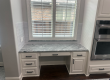
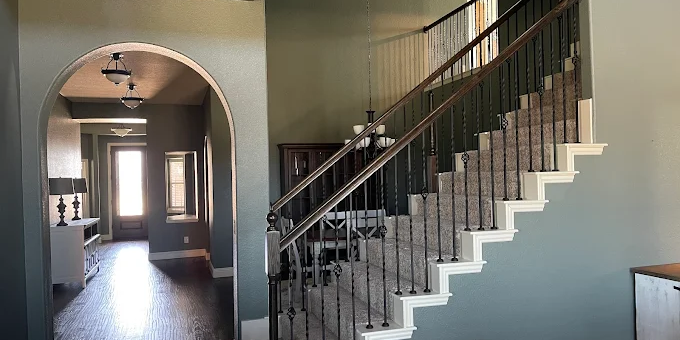
By the time the third sample board hit the trash can, Sarah realized kitchen cabinet staining was not going to be as simple as the online videos made it look. The color that seemed like a warm walnut on the can turned orange on her maple doors. The stain she tried next looked beautiful when wet, then dried streaky and uneven. Standing in her Allen, Texas kitchen surrounded by half-sanded doors and sticky brushes, she wondered where things had gone wrong and whether her cabinets could still be saved.
Stories like Sarah’s are common because cabinet staining blends art, science, and a lot of patience. Unlike painting, stain doesn’t simply sit on top of the wood; it soaks in, reacts with the grain, and highlights every strength and flaw in your surface preparation. When it’s done right, the reward is huge: a rich, durable finish that elevates the entire kitchen, adds value to your home, and feels custom-made. When it’s done poorly, the result can be blotchy, sticky, and nearly impossible to fix without starting over.
At MJ Workforce Solutions, working in homes throughout Allen and nearby North Texas communities, we see how much impact a well-executed stain job can have on dated or builder-grade cabinets. The difference between frustration and success usually comes down to a few key decisions and techniques. The following tips will walk you through the process in detail, helping you avoid the most common pitfalls and understand what professionals focus on when they stain kitchen cabinets for a long-lasting, beautiful result.
Know Your Cabinets First
Before you ever open a can of stain, you need to know exactly what you’re working with. Not all cabinets are solid wood, and not all wood takes stain the same way. Many homes in Allen, Texas, especially newer builds, feature a mix of solid wood frames with veneer or manufactured wood doors and panels. Real wood with a tight, fine grain like maple or birch tends to stain differently than open-grain species like oak or ash. Maple can look blotchy if not prepped correctly, while oak will highlight its prominent grain and pores.
Take a door off and look closely at the edges and back. If you see a repeating pattern or a very thin “skin” over a different core, you may be dealing with veneer. Veneer can still be stained, but it has a thinner layer of wood, so aggressive sanding can easily go through the top layer and ruin the panel. Similarly, some cabinets are made from MDF or laminate with a faux-wood finish; these will not accept stain the way natural wood does and may need a different approach or professional advice from a team like MJ Workforce Solutions.
It is also important to identify any existing finish. Older stained cabinets usually have a protective topcoat of polyurethane or lacquer that must be removed or at least heavily scuffed before new stain can penetrate. If you splash a few drops of water on the surface and it beads up instantly, you likely have a strong protective layer still in place. In that case, you’ll need more intensive surface preparation to ensure your new stain bonds properly and doesn’t simply sit on top and wipe off.
Finally, consider the condition of the wood. Cracks, dents, water damage, or greasy build-up around handles can dramatically affect stain absorption. Part of “knowing your cabinets” means noting where repairs, filling, or deeper cleaning will be required. Skipping this assessment step is one of the main reasons DIY cabinet staining in Allen homes ends up looking patchy or worn out quickly.
Preparation: The Hidden Foundation
The most beautiful stain in the world cannot compensate for poor surface preparation. Prep work is where professionals like MJ Workforce Solutions spend a significant amount of time, because cabinets live in one of the toughest environments in your home: heat, steam, cooking oils, and constant handling. All of that ends up on the cabinet surface and must be removed before stain can do its job.
Start by removing all doors, drawers, and hardware. Label each piece and its corresponding location using painter’s tape and a marker; this simple step saves huge headaches during reassembly. Clean every surface thoroughly with a degreasing cleaner or a mix designed specifically for pre-paint or pre-stain cleaning. Pay special attention to areas around handles, above the stove, and near the sink where residue tends to be thickest. If grease remains on the surface, stain will not penetrate evenly and can separate or fish-eye, leaving unattractive spots.
Once clean and dry, sanding is your next critical task. For previously finished cabinets, begin with a medium-grit sandpaper (around 120–150) to break the sheen and remove the existing topcoat as much as possible without digging too deeply into the wood. Then move to a finer grit (180–220) to smooth out the surface. Always sand with the grain to avoid scratches that will show up under the stain. For veneer, be especially gentle and use lighter pressure; it’s very easy to sand right through the thin wood layer if you’re not attentive.
After sanding, remove all dust using a vacuum with a brush attachment and a tack cloth or microfiber rag. Even a small amount of dust left behind can create rough patches and interfere with absorption. At this stage, many professionals in Allen recommend applying a wood conditioner or pre-stain treatment, especially on blotch-prone woods like pine, birch, or maple. This step helps the stain soak in more evenly, reducing the risk of dark patches and streaks that are difficult to correct later.
Choosing The Right Stain And Color
Standing in a paint store in Allen, faced with dozens of stain cans, can feel overwhelming. Oil-based, water-based, gel stains, wiping stains, dyes—each has its own behavior and best use. Oil-based stains tend to give you more working time, penetrate deeply, and are very durable, but they also have stronger odors and longer drying times. Water-based stains dry quickly, clean up easily, and have lower fumes, which can be attractive for families, but they require faster, more confident application to avoid lap marks.
Gel stains are thicker and sit more on the surface, making them a popular choice when you are working over an existing finish or dealing with vertical surfaces where runs are a concern. However, because they do not penetrate as deeply, the final look can be slightly different from traditional penetrating stains. Professional crews like MJ Workforce Solutions consider the cabinet material, the desired color depth, and the homeowner’s timeline when recommending a particular type of stain.
Color selection is another area where planning pays off. The same stain color can look dramatically different depending on the wood species and existing undertones in your kitchen. Warm woods can pull orange or red from certain stains, while cooler woods may mute those tones. Always test your stain on a hidden area or on the back of a door before committing. Apply the stain exactly as you plan to do on the full project—same number of coats, same timing—and let it fully dry before judging the result.
It is also wise to consider how your cabinet stain will interact with flooring, countertops, and backsplash. In many Allen, Texas homes, granite or quartz counters already have strong movement and color. A very busy cabinet grain in a dark, dramatic stain might compete with those surfaces and make the kitchen feel heavy. Sometimes a medium, neutral stain that balances warmth and depth offers the most timeless look, which can be especially valuable if you are thinking about resale down the line.
Application Techniques That Make The Difference
Once you have prepped your cabinets and chosen your stain, the way you apply it will determine whether your final finish looks professional or amateur. Stain is not like paint; you don’t just brush it on and walk away. Instead, you are working in a rhythm: apply, allow penetration, and wipe off the excess. The longer the stain sits before wiping, the darker the result, but waiting too long can lead to sticky, uneven patches.
Work on one door or drawer front at a time. Use a high-quality brush or lint-free cloth to apply stain with the grain, making sure you cover all areas, including edges and profiles. Avoid overloading your brush; thin, controlled coats are easier to manage than heavy, dripping ones. After applying, wait according to the product’s instructions—usually a few minutes—then wipe off the excess with a clean rag, again following the grain. If you see swirl marks or cross-grain wiping, they will likely show in the final finish.
Maintain a consistent technique from piece to piece. If you leave the stain on one door for five minutes and another for ten, they will not match. Professionals often set a timer and work in a predictable sequence to keep color uniform. In Allen’s variable climate, temperature and humidity can also affect drying time, so be aware that stain may set up faster on a hot, dry day compared to a humid one. Adjust your working pace accordingly or consider working early in the day when conditions are more stable.
For deep, rich color, multiple thin coats are almost always better than one heavy coat. Allow each coat to dry completely before deciding whether to add another. Lightly scuffing between coats with very fine sandpaper (320 grit or higher) can help the next layer adhere and smooth out any small dust nibs. When MJ Workforce Solutions stains cabinets, this patient, layered approach is one of the key reasons the final finish looks even and refined instead of muddy or overworked.
Sealing And Protecting The Finish
Stain alone does not protect your cabinets from daily life. Once you have achieved the color you want and allowed adequate drying time, you must seal the wood with a clear topcoat. This step is where durability is built. In a busy Allen kitchen, cabinets will be exposed to moisture, oils from hands, cleaning products, and the occasional bump from dishes or appliances. Without a quality sealer, the stain can wear away, absorb stains, and lose its luster.
There are several options for topcoats: oil-based polyurethane, water-based polyurethane, lacquer, and specialized cabinet finishes. Oil-based products tend to be very durable and add a warm tone, but they can yellow slightly over time and take longer to cure. Water-based polyurethanes dry faster, stay clear, and have lower odor, making them popular for interior cabinet work. Lacquer offers a very smooth, professional look but is more finicky and often best handled by experienced professionals with proper spraying equipment.
Apply the clear coat in thin, even layers with a high-quality brush, foam applicator, or sprayer, depending on your setup. Just as with stain, multiple light coats are preferable to one thick one. Light sanding between coats with very fine grit sandpaper removes dust nibs and helps subsequent coats bond. Follow the manufacturer’s recommendations on drying and curing times. Even if the surface feels dry to the touch in a few hours, it may take several days to fully harden.
During this curing period, handle your freshly stained cabinets gently. Avoid hanging heavy items on doors, slamming drawers, or using harsh cleaners. When MJ Workforce Solutions completes a cabinet staining project in Allen, we always advise homeowners to treat their cabinets with extra care for at least a week, gradually resuming normal use as the finish reaches full strength. This patience protects your investment and keeps the finish looking pristine for years.
When To Call In The Professionals
While many homeowners are capable of a successful DIY cabinet stain, there are situations where bringing in professionals is the most efficient and cost-effective choice. Complex kitchen layouts, very large cabinet runs, or the presence of intricate profiles and moldings can all increase the difficulty level. If your cabinets have heavy existing finishes, water damage, or a mix of materials (solid wood, veneer, and laminate), the risk of costly mistakes goes up significantly.
Professional teams like MJ Workforce Solutions bring specialized tools, controlled workspaces, and extensive experience with different wood species and products. In many Allen, Texas homes, we remove doors and drawer fronts to finish them off-site in a more dust-controlled environment, then return to re-install them once they have fully cured. This approach can dramatically improve the smoothness and consistency of the finish compared to working in a busy, lived-in kitchen.
There is also value in product knowledge. Knowing which stain and topcoat systems work best together, how they respond to North Texas humidity and temperature swings, and how to correct issues like blotching or adhesion problems comes from years of projects. Professionals can often rescue cabinets that homeowners assumed needed to be replaced entirely, delivering a custom-stained look at a fraction of the cost of new cabinetry.
Finally, time is a factor. A full cabinet staining project can easily consume multiple weekends if you are working alone and learning as you go. Hiring an experienced crew means your kitchen is disrupted for a shorter period, and you avoid the trial-and-error phase that leads to frustration. Whether you decide to tackle the work yourself or partner with a service provider, understanding the process and the standards professionals use will help you make better decisions and get a result you’ll be proud to show off.
Frequently Asked Questions
How long does a cabinet staining project usually take? The timeline depends on the size of your kitchen, the complexity of your cabinets, and whether you are doing the work yourself or hiring professionals. For a typical Allen, Texas kitchen, a DIY project may take one to two weeks, allowing for thorough cleaning, sanding, staining, and multiple coats of clear finish with proper drying time. Professional teams can often complete the work faster, sometimes in several days, because they have more hands on the job and can stage the process efficiently. Keep in mind that even after everything is reassembled, the finish may need additional days to fully cure before it reaches maximum durability.
Can all cabinets be stained, or do some need to be painted instead? Not all cabinets are good candidates for staining. Solid wood and quality wood veneer are generally stainable, provided the existing finish can be properly removed or scuffed. However, laminate, thermofoil, and some MDF products are designed for paint or replacement rather than stain, because they lack a real wood surface for the stain to penetrate. In some Allen homes, we see a mix of stainable and non-stainable materials in the same kitchen. In those cases, a professional assessment from MJ Workforce Solutions can help you decide whether staining, painting, or a combination approach will give you the most attractive and durable result.
How do I avoid blotchy or uneven stain on my cabinets? Blotching usually comes from uneven absorption of stain, which is especially common on woods like maple, birch, and pine. To minimize it, start with meticulous cleaning and sanding to create a uniform surface. Use a wood conditioner or pre-stain treatment according to the manufacturer’s instructions; this helps regulate how much stain the wood absorbs. Work in manageable sections, apply stain evenly, and wipe off the excess consistently and in the same time frame for each piece. Testing your complete process on a hidden area before doing the entire kitchen can reveal potential issues early, allowing you to adjust products or techniques before committing.
Do I really need a clear topcoat over the stain? Yes, a clear protective topcoat is essential for kitchen cabinets. Stain provides color but very little protection against moisture, oils, and abrasion. Without a topcoat, the stain can wear away quickly, absorb spills, and become difficult to clean. A quality polyurethane, lacquer, or specialized cabinet finish seals in the color and creates a hard, washable surface that stands up to daily use. In the high-traffic kitchens we see around Allen, skipping the topcoat almost always leads to premature wear and a finish that looks tired long before its time.
Can cabinet staining be combined with other updates for a full kitchen refresh? Absolutely. Staining your cabinets pairs well with changes like new hardware, updated lighting, fresh wall paint, or refinished floors. Many homeowners in Allen choose to coordinate cabinet staining with other services to minimize disruption and create a cohesive look. For example, updating floor finishes or even exploring options like Floor Painting at the same time can completely transform the feel of the space. Planning these changes together allows you to harmonize colors and finishes, making sure your stained cabinets complement, rather than clash with, the rest of your kitchen design.