Fresh paint is supposed to transform a room, but many homeowners in Allen, Texas end up staring at streaky walls, visible roller lines, and patchy corners that look worse than before. The color might be right, yet the finish looks flat, dull, or uneven. Instead of that smooth, magazine-worthy result, you get a surface that highlights every drywall flaw and previous repair. The problem usually isn’t the paint itself; it’s the technique behind how that paint is applied.
Interior painting techniques are what separate an average paint job from a truly stunning finish. The right methods can make ceilings look taller, rooms appear brighter, and walls seem flawless—even when the underlying surfaces are less than perfect. Professionals like MJ Workforce Solutions in Allen understand that preparation, application, and finishing are all part of a system. When these pieces work together, they produce results that look clean, refined, and durable.
Whether you’re trying to refresh one bedroom or transform your entire home, learning the fundamentals of professional painting technique can help you avoid common mistakes and make better decisions. From surface prep to brush control, roller strategies, and decorative finishes, each step influences the final look. With the right guidance, you can either take on smaller projects with confidence or know exactly what to expect when you bring in a professional crew.
Understanding The Foundation
Every impressive paint finish starts long before the first stroke of color hits the wall. The foundation of a stunning interior paint job is surface preparation, and this is where many DIY projects go off track. Walls in Allen homes often have hairline cracks, nail pops, minor settlement lines, and previous patchwork that can telegraph through new paint if not handled correctly. A quick wipe-down and a single pass with sandpaper is rarely enough for a truly refined result.
Professional painters begin by carefully inspecting walls and ceilings under strong lighting, marking imperfections and problem zones. They fill nail holes, skim-coat uneven areas, and sand in multiple passes with different grits to create a uniform surface. Glossy or semi-gloss surfaces get scuff-sanded to improve adhesion, especially in kitchens and bathrooms where moisture and grease can interfere with bonding. This level of attention may seem tedious, but it’s what allows the finish coat to lie flat and consistent.
Primer is another critical part of the foundation that many homeowners underestimate. In Allen’s mix of older and newer homes, surfaces can range from raw drywall to previously painted oil-based finishes. Matching the right primer to the surface and the topcoat prevents flashing, blocks stains, and evens out porosity so the color appears consistent from corner to corner. MJ Workforce Solutions uses specific primers for problem areas like water stains, smoke damage, or patched drywall, ensuring the final paint layer doesn’t reveal what’s underneath.
Mastering Brush And Roller Control
Once the surfaces are prepped, the technique used to apply the paint becomes the next major factor. Many streaks, lap marks, and visible lines come from inconsistent brush or roller control. Professional painters in Allen develop a rhythm and pattern that keeps the paint moving and wet, which is essential for a smooth finish. They don’t just load a brush or roller randomly; they control how much paint is applied and how it’s distributed.
When cutting in along ceilings, trim, and corners, a high-quality angled sash brush makes a huge difference. The trick is maintaining a wet edge and feathering out the brush marks into the main wall area so they blend seamlessly with the roller-applied sections. Pros avoid overworking the paint once it starts to tack up; instead, they move quickly and confidently, often doing one wall at a time to prevent overlapping on partially dried surfaces.
Roller technique is just as important. Using the right nap length for the surface (shorter for smooth walls, longer for light texture) helps achieve even coverage. Painters typically load the roller evenly, start in a “W” or “M” pattern, and then fill in, finishing with long, light passes in a consistent direction. This levels the paint and reduces roller lines. MJ Workforce Solutions trains its crews to work in logical sections, always watching for missed spots and drips, so the final finish looks uniform when the paint dries.
Creating Depth With Sheen And Color
Stunning finishes are not only about smoothness; they are also about how light interacts with the painted surface. Choosing the right sheen can dramatically change the look of a room. Flat and matte finishes help hide minor imperfections and are often ideal for living rooms and bedrooms, while eggshell and satin provide a slight glow that’s easier to clean and works well in hallways, family rooms, and kid spaces. Gloss and semi-gloss finishes highlight details on trim, doors, and cabinetry but will also reveal every flaw if surfaces aren’t perfectly prepared.
In Allen homes, where natural light can vary widely from room to room, understanding how sheen reflects light is critical. A bright, sunlit room can handle slightly higher sheen levels without feeling harsh, while a darker room may benefit from a softer finish that diffuses light more evenly. MJ Workforce Solutions often guides homeowners through sheen selection based on both aesthetics and practical considerations like durability, traffic, and cleaning needs.
Color selection is another way to create depth and visual interest. Subtle changes in shade between walls and trim can make architectural features stand out, while a single accent wall can add character without overwhelming the room. Professional painters pay attention to undertones—whether a gray leans blue, green, or purple, for example—because these undertones become more pronounced once the paint is on a large surface. By combining appropriate sheen levels with carefully chosen colors, you can achieve a layered, sophisticated look that feels intentional rather than accidental.
Advanced Techniques For Visual Interest
Once you have the basics of smooth, even coverage under control, advanced techniques can elevate a room from simply well-painted to truly remarkable. One popular approach is using subtle two-tone effects, such as painting the walls in one shade and the ceiling in a slightly lighter version of the same color. This creates a soft transition that visually lifts the ceiling without the stark contrast of pure white against darker walls.
Another powerful technique is color blocking or using painted shapes to define zones within an open-concept area. For example, a dining nook within a larger living space can be framed by a painted rectangle or arch on the wall, giving it identity without needing physical partitions. Clean, sharp lines are essential here, which is where professional taping and cutting-in skills become invaluable. The result is modern and architectural, yet completely achievable with paint alone.
Textural effects can also add depth without resorting to heavy wall textures. Soft, layered glazes, subtle strié (a fine, linear dragging effect), or gentle sponging can give walls a sense of movement and richness. These methods require a practiced hand to avoid looking dated or overly busy, which is why many Allen homeowners turn to professionals when they want something beyond a standard flat finish. MJ Workforce Solutions can recommend where these techniques make sense—often in dining rooms, powder baths, or feature walls—so they enhance rather than overwhelm the space.
Perfecting Edges, Details, And Transitions
The difference between a “good enough” paint job and a stunning finish often shows up in the details: crisp edges, clean transitions, and neatly finished trim. Wavy lines along ceilings, paint on the baseboards, or sloppy corners immediately cheapen the look of a room, no matter how beautiful the color. Professionals take time to mask where necessary, use steady cutting-in techniques, and protect surfaces that shouldn’t be painted.
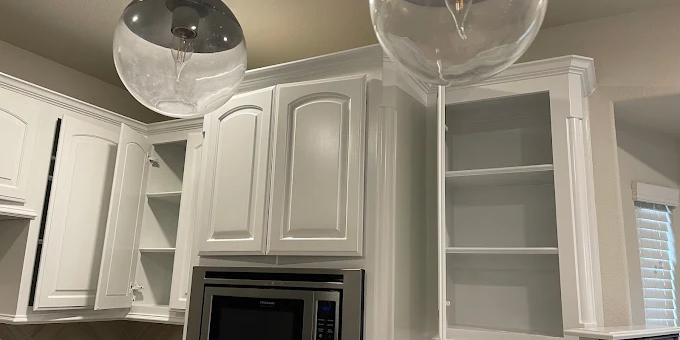
Trim, doors, and windows demand a different approach than walls. They usually receive a higher-sheen enamel that requires careful sanding between coats for a glass-smooth finish. Small gaps between trim and wall are caulked, nail holes are filled and sanded, and any existing brush strokes are leveled out before new paint is applied. In many Allen homes, updating old, yellowed trim paint to a fresh, clean white with the right technique instantly modernizes the entire interior.
Transitions between different colors or finishes also need attention. Where a hallway color meets a bedroom color at the door frame, or where a feature wall ends, the edge should look intentional and straight. MJ Workforce Solutions uses a combination of laser levels, high-quality tape, and careful brushwork to ensure these transitions appear sharp and professional. These seemingly small details accumulate to create the overall impression of quality and craftsmanship.
When To Bring In The Pros
Some interior painting projects are well within the reach of a careful DIYer, but others benefit greatly from professional expertise. High ceilings, stairwells, and complex color schemes can be challenging and time-consuming without the right tools and experience. In Allen, many homeowners decide to handle smaller rooms themselves while hiring a professional crew for main living areas, entryways, or more intricate finishes that demand flawless execution.
Professionals not only bring technique but also efficiency and planning. They know how to sequence rooms, manage drying times, and coordinate colors so the whole house feels cohesive. They also understand how local climate and building styles in Allen, Texas affect paint performance over time. For example, they may recommend specific products for areas prone to humidity, or special primers for older homes with multiple layers of previous paint.
If you’re considering decorative or specialty finishes such as glazing, striping, or more artistic approaches similar to Faux Painting, professional help becomes even more valuable. These techniques require a practiced eye for balance and proportion, as well as the ability to correct mistakes before they become permanent. MJ Workforce Solutions combines technical skill with design insight, helping Allen homeowners achieve finishes that feel custom and high-end without unnecessary risk or stress.
Frequently Asked Questions
How many coats of paint do I really need for a smooth finish? In most interior projects, two finish coats over a properly primed surface are ideal for a stunning result. The primer helps create an even base so the color appears consistent. The first coat builds coverage, while the second coat evens out any subtle roller marks, brush strokes, or variations in sheen. Skipping the second coat may look acceptable at first, but as light changes throughout the day, thin spots and flashing often become noticeable.
What’s the best way to avoid roller marks and lap lines? The key is to maintain a wet edge and work in manageable sections. Load the roller evenly, apply the paint using a consistent pattern, and finish each section with light, long strokes in one direction. Avoid pressing too hard on the roller and don’t go back over areas that have already started to dry. Professional painters in Allen often complete an entire wall without stopping, which prevents dried edges from overlapping with fresh paint and creating visible lines.
Do I always need to use primer before painting? Primer isn’t required in every situation, but it is essential more often than many people think. If you’re painting over bare drywall, stained surfaces, drastic color changes, glossy finishes, or patched areas, primer will greatly improve adhesion and color uniformity. In Allen’s varied housing stock, MJ Workforce Solutions frequently uses stain-blocking primers, bonding primers for slick surfaces, and drywall primers for new construction or major renovations. Skipping primer in these cases can lead to peeling, uneven sheen, and more visible imperfections.
How do I choose the right paint sheen for each room? Think about both appearance and practicality. Flat or matte finishes are great for low-traffic spaces and areas where you want to hide minor wall flaws. Eggshell and satin provide a soft sheen that’s easier to clean, making them popular for living rooms, hallways, and children’s rooms. Semi-gloss and gloss are typically reserved for trim, doors, and cabinets because they highlight details and withstand frequent cleaning. In Allen homes, a combination of matte walls with satin or semi-gloss trim often delivers a balanced, upscale look.
When should I call a professional instead of doing it myself? If the project involves high or hard-to-reach areas, extensive repairs, complex color schemes, or decorative techniques, bringing in professionals is usually the safest and most efficient option. You should also consider hiring a pro if your timeline is tight or if you want a finish that looks truly polished throughout your home. MJ Workforce Solutions serves homeowners in Allen, Texas who want not just new color on the walls, but a consistently smooth, refined finish that holds up over time and enhances the value and comfort of their spaces.