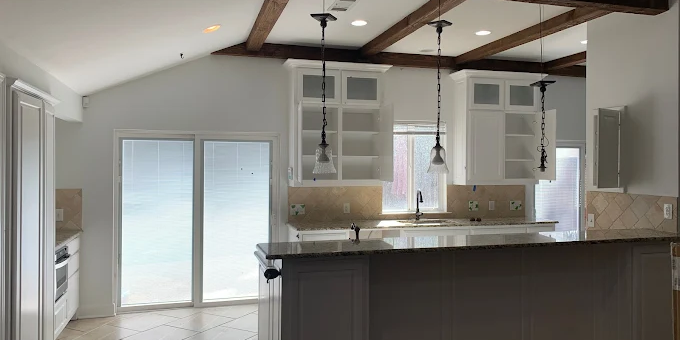
Have you ever walked into a room and felt instantly calmer, more energized, or surprisingly inspired—without quite knowing why? Often, that feeling comes down to the way the space is painted. Interior painting styles do far more than cover walls; they direct how a room feels, functions, and even how large or small it appears. For homeowners in Allen, Texas, where homes range from cozy townhouses to expansive suburban properties, the right painting style can transform a basic interior into a space that truly reflects your personality and lifestyle.
Interior painting is no longer just about choosing “eggshell” or “semi-gloss” in a neutral shade. Today, style-driven paint strategies—like color zoning, accent walls, textured finishes, and tone-on-tone palettes—are reshaping how people think about their homes. These approaches can define open-concept layouts, highlight architectural details, and even influence how you use a room. With a professional team like MJ Workforce Solutions, you can move beyond the simple repaint and step into an intentional, design-driven approach that makes every room feel tailored and thoughtfully crafted.
Whether you’re refreshing a single room or planning a whole-home transformation, learning about different interior painting styles gives you a powerful toolbox. Once you understand how color, finish, and layout interact, you can make choices that fit your daily routines, your furnishings, and the natural light that’s so abundant in many Allen homes. Let’s explore how different styles can turn ordinary walls into design features that elevate your entire space.
Color Psychology In Action
Every paint decision starts with one crucial element: color. Beyond being “pretty” or “on-trend,” colors carry psychological weight. Soft blues and greens tend to promote calm and clarity, making them ideal for bedrooms, home offices, and bathrooms. Warm tones like terracotta, caramel, and muted yellows invite conversation and comfort, perfect for living rooms and dining areas where you host friends and family. In Allen, where natural light can be bright and direct, these hues respond beautifully, shifting slightly throughout the day to keep rooms feeling dynamic but cohesive.
One transformative painting style is the deliberate use of color to shape mood from room to room. Instead of choosing one color for the entire house, you can create a flow of related tones: a cool, pale green in the entry, a deeper blue-green in the living area, and a soft gray with green undertones in the hallway. This approach keeps your interior visually connected while giving each space its own emotional identity. MJ Workforce Solutions often helps homeowners map out these color journeys, ensuring transitions happen at logical points like corners, cased openings, or architectural breaks.
Color can also strategically adjust how big or small a room feels. Darker, saturated shades on walls can make a large, echoing room feel more intimate and grounded, while light neutrals can make a small room feel more expansive. A long hallway in an Allen home, for instance, may feel tunnel-like in a dark beige; repainting with a soft, warm white and slightly darker trim can open it up and make it feel inviting rather than cramped. The key is matching color choices to the specific light conditions and proportions of each room, something experienced painters understand deeply from working in local homes.
Accent Walls And Focal Points
Accent walls used to mean simply painting one wall a bold color and leaving the others neutral. While that can still be effective, modern accent wall strategies are more nuanced and intentional. The real goal is to create a clear focal point that anchors the room—whether it’s the wall behind your bed, the fireplace wall in your family room, or the main wall behind your dining table. A thoughtfully chosen accent color draws the eye, frames your furniture, and helps the space feel “finished.”
In Allen, where many homes have open-concept layouts, accent walls are especially powerful in visually organizing large spaces. For example, in a combined living-dining area, MJ Workforce Solutions might suggest a deep, moody blue on the living room TV wall while keeping the adjacent dining walls a warm neutral. This instantly distinguishes the zones without needing physical barriers or bulky furniture. The accent color becomes a subtle cue: this is the relaxation area; that is the dining space.
Accent walls don’t always have to be a different solid color. You can use patterns, stripes, or even color blocking to create a feature wall that feels custom. Vertical stripes can make low ceilings feel taller, while a wide horizontal band of color across the middle of a wall can add interest without overwhelming the room. For a more refined look, some homeowners in Allen choose tone-on-tone accents, where the feature wall is just a few shades darker than the others. This adds depth and sophistication while remaining versatile enough to match changing decor over the years.
Two-Tone And Color Blocking
Two-tone walls and color blocking have become go-to styles for homeowners who want something more creative than a simple repaint, yet more subtle than a mural. The basic concept is using two or more distinct colors within the same room, divided horizontally, vertically, or in geometric shapes. This approach allows you to highlight architectural features or create a sense of structure in open or long, narrow spaces.
A common technique is the half-painted wall. For example, MJ Workforce Solutions might paint the lower half of a dining room wall in a rich, durable darker shade and the upper half in a light neutral. This not only adds visual interest but can also be practical in high-traffic areas, where darker paint better hides scuffs from chairs or kids. A clean, crisp line between the two colors—done professionally—makes the room look intentional and designer-inspired, especially when paired with simple decor and coordinated textiles.
Color blocking can also be used to visually “build” furniture or define functional zones. In a home office, a painted rectangular block behind a desk in a contrasting color can act like a built-in backdrop, framing your workspace. In a child’s room, blocks of color can separate a sleeping area from a play or reading zone without adding physical dividers. In Allen’s many family-oriented neighborhoods, this technique is particularly useful for making multipurpose rooms feel organized and purposeful without major renovations.
Textured And Specialty Finishes
While flat color is timeless, textured and specialty finishes bring an extra layer of character to interiors. These are styles where the method of applying paint—brushing, rag-rolling, sponging, glazing, or using specialty tools—creates visual depth and sometimes even a tactile feel. Done well, these finishes can mimic materials like stone, linen, or plaster, giving your walls a high-end, custom appearance that standard paint simply cannot achieve.
One classic example is a subtle faux plaster or Venetian-style finish in a dining room or entryway. This uses layers of slightly varied tones to create a soft, cloud-like texture that catches the light differently throughout the day. In Allen homes that get strong afternoon sun, these finishes can be especially beautiful, as the texture breaks up glare and adds richness to what might otherwise be a flat surface. MJ Workforce Solutions can recommend which rooms and walls will benefit most from these techniques, ensuring they complement rather than compete with your furnishings.
Another growing trend is the use of metallic or pearlescent paints for small feature areas, such as a niche, ceiling tray, or the back of built-in shelves. These are not meant to coat entire rooms but to add a touch of luxury and reflection. For instance, a soft champagne metallic behind open shelves in a living room can highlight decor items and make the entire unit feel more intentional. Because these finishes require skillful application to avoid streaks or uneven sheen, working with a professional painting team is essential to achieving a polished result.
Ceilings, Trim, And Architectural Details
Transformative interior painting is not limited to walls. Ceilings, trim, doors, and built-in elements are powerful tools for elevating a space. Many older homes defaulted to bright white ceilings and trim, but modern styles often play with color on these surfaces for a more curated look. A slightly darker or warmer ceiling color, for example, can make a tall room feel cozier and more inviting, while painting crown molding and baseboards in a subtle contrast can highlight the craftsmanship of your home.
In Allen, where many properties feature crown molding, wainscoting, and decorative door casings, painting these elements thoughtfully can dramatically shift the overall feel. One increasingly popular approach is painting trim and doors the same color as the walls but in a different sheen. This produces a unified, contemporary look while still offering subtle dimension. Conversely, classic white trim against colored walls remains a favorite for homeowners who want a crisp, traditional aesthetic that pairs well with a variety of furniture styles.
Ceilings, often called the “fifth wall,” are another overlooked opportunity. A soft blue ceiling in a bedroom can evoke a peaceful, sky-like effect, while a deep charcoal ceiling in a media room can enhance the theater-like ambiance. Even a modest change—like shifting from a stark white to a warmer off-white that complements the wall color—can make a room feel more cohesive. MJ Workforce Solutions frequently advises Allen homeowners on ceiling colors that work with their lighting and room proportions, ensuring the result feels intentional, not experimental.
Coordinating With Your Whole Home
While each room can have its own personality, a truly transformative paint project considers the home as a whole. This is especially important in open-plan houses and in homes where sightlines connect multiple spaces. A jarring color jump from one room to the next can make your interior feel disjointed, whereas a carefully coordinated palette can make your home feel larger, more harmonious, and more professionally designed.
One effective strategy is to choose a main neutral that runs through the majority of the home—such as hallways, living areas, and transitional spaces—and then layer in accent colors in specific rooms. For example, your main color might be a warm greige that works with your floors and cabinetry, while bedrooms and offices get more expressive hues. MJ Workforce Solutions can help select a palette of 5–7 coordinated shades that cover your entire home, ensuring that wherever you stand, the colors you see relate to each other naturally.
It’s also important to consider existing finishes like flooring, countertops, and cabinetry. In Allen homes, you’ll often find a mix of wood tones, tile, and stone that can strongly influence how paint colors appear. A color that looks perfect on a small paint chip can clash with your oak floors or granite counters once it’s on the wall. Professional painters understand how to test and evaluate colors under real lighting conditions, saving you from costly missteps and repaints. By aligning wall colors with the permanent elements of your home, you create a cohesive backdrop that supports your style for years to come.
Frequently Asked Questions
How do I choose the right interior painting style for my home in Allen, Texas? Start by thinking about how you use each room and how you want it to feel—calm, energetic, cozy, or bright. Then consider your home’s architecture and layout: open-concept spaces often benefit from accent walls and color zoning, while smaller, enclosed rooms may work better with cohesive, lighter palettes. Look at your existing finishes like floors, cabinets, and countertops to narrow down colors that complement rather than compete. Finally, consult with a professional team like MJ Workforce Solutions, who can bring color samples, evaluate your lighting, and recommend specific styles—such as two-tone walls, textured finishes, or tone-on-tone trim—that fit both your taste and your home’s character.
Are accent walls still in style, or should I avoid them? Accent walls are very much still in style, but the way they’re used has evolved. Instead of random bold colors, today’s accent walls are chosen to highlight a focal point—like a fireplace, bed, or main seating area—and are often more sophisticated in tone. Deep, muted shades, tone-on-tone variations, or even subtle textures are preferred over extremely bright, high-contrast colors. In Allen homes, accent walls are especially helpful in open spaces to define zones without adding physical barriers. When planned and painted professionally, they can make a room feel more intentional and visually balanced.
What paint finishes work best for different rooms? Generally, low-sheen finishes like matte or eggshell are ideal for most walls because they minimize imperfections and provide a soft, elegant look. In high-traffic areas such as hallways, kitchens, and kids’ rooms, a washable eggshell or satin finish is a smart choice for easier cleaning. Semi-gloss is typically used on trim, doors, and cabinets to highlight details and provide durability. Bathrooms may benefit from moisture-resistant paints with a slight sheen to handle humidity. MJ Workforce Solutions can recommend specific products and finishes based on how your family uses each room and the conditions typical in Allen, Texas.
Can interior painting really make my space feel larger? Yes, the right interior painting strategies can significantly affect how large or small a room feels. Light, cool neutrals tend to make spaces feel more open and airy, especially when paired with a similar-toned ceiling. Painting adjacent rooms in related shades creates visual continuity, which can make your home feel more expansive. Techniques like color blocking or painting trim and doors the same color as the walls can also reduce visual “clutter,” helping spaces feel calmer and more spacious. Professional painters know how to use color, sheen, and placement to enhance your home’s proportions without any structural changes.
Why should I hire professionals instead of painting myself? While DIY painting can seem straightforward, achieving a truly transformative, high-quality result requires skill, tools, and experience. Professionals like MJ Workforce Solutions handle crucial details: thorough surface prep, proper priming, sharp lines at color transitions, consistent coverage, and correct sheen selection. They also understand how colors behave in real-world lighting and how to coordinate styles across your entire home. In addition, professionals can tackle more advanced styles—such as textured finishes, color blocking, and precise two-tone walls—that are difficult to execute cleanly without training. For Allen homeowners, hiring experts not only saves time and stress but also ensures the final result truly elevates your living spaces.
When you’re ready to see how expert painting can enhance the rest of your property as well, you can explore services like Fence Painting to create a cohesive look from inside to out.