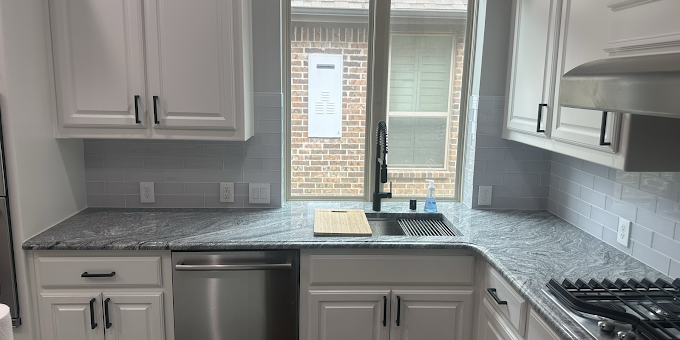
Kitchen design trends are shifting fast, and one of the most powerful, budget-friendly ways homeowners in Allen, Texas are transforming their spaces is through innovative cabinet staining. Instead of ripping out perfectly good cabinets, more people are turning to creative stain techniques, layered colors, and customized finishes that make a kitchen feel fresh, modern, and uniquely personal. Stain is no longer just a way to darken wood; it has become a design tool that can highlight grain patterns, add depth and character, and even mimic the look of high-end custom cabinetry.
What makes innovative cabinet staining ideas so relevant right now is the combination of rising renovation costs and the desire for a more curated, designer-level look. Many Allen homeowners are realizing that with the right stain approach, they can achieve a showpiece kitchen without a full-scale remodel. From warm, organic tones that soften bright Texas sunlight to dramatic two-tone stains that define open-concept layouts, the options are more flexible than ever. When guided by skilled professionals like MJ Workforce Solutions, staining becomes less of a simple “color change” and more of a strategic upgrade to your home’s style and value.
Another reason cabinet staining is having a moment is sustainability. Reusing existing cabinets reduces waste, shortens project timelines, and minimizes disruption to everyday life. Instead of sending old boxes to the landfill, homeowners can work with a staining specialist to reimagine what they already own. By playing with transparency, layering, and custom undertones, stain can turn dated oak or maple into a modern, furniture-quality focal point that anchors the entire kitchen.
Stain As A Design Strategy
Most people think of stain in terms of light, medium, or dark, but innovative kitchen cabinet staining starts by treating stain as a holistic design strategy. It is not just about picking a shade you like; it is about planning how that finish will interact with your countertops, backsplash, flooring, and even the natural light coming through your windows. In Allen, where many homes have open layouts and generous windows, the way stain absorbs and reflects light can dramatically change the mood of the room throughout the day.
A thoughtful staining plan considers how visible the wood grain should be. Do you want a more rustic, pronounced grain that gives character and texture, or a smoother, more uniform look that leans modern? By adjusting stain opacity, layering multiple tones, or incorporating glazing techniques, you can control how much of the natural pattern shows through. This approach lets you elevate older wood species that might otherwise feel dated, turning them into a design asset instead of a drawback.
Color temperature is another strategic element. Cool-toned stains with gray or espresso undertones can modernize yellowed oak or honey maple, while warm walnut or chestnut tones create cozy, inviting spaces that pair well with stone countertops and warm metal hardware. When MJ Workforce Solutions works on cabinet staining projects in Allen, they often help homeowners map out a whole-room palette, ensuring the stain choice supports both existing finishes and any future upgrades.
Two-Tone And Zoned Staining
One of the most impactful innovative ideas is moving away from a single stain color across all cabinets. Two-tone and zoned staining strategies use contrast to define different areas of the kitchen and add visual interest. For example, you might stain the lower cabinets in a richer, deeper tone for grounding and durability, while the upper cabinets receive a lighter stain that keeps the room feeling open and airy. This contrast can make ceilings feel higher and draw the eye upward, which is especially helpful in more compact Allen kitchens.
Island-focused staining is another popular approach. Instead of matching the island to the perimeter cabinets, homeowners are treating the island like a standalone piece of furniture. A bold espresso, charcoal, or deep walnut stain on the island can anchor the space and balance lighter perimeter cabinets in a natural oak or soft gray stain. This technique makes the island the visual centerpiece without overwhelming the room with dark wood everywhere.
Some homeowners take zoning even further by using stain variations to subtly separate functional areas. For instance, cabinets near a coffee bar or beverage station might feature a slightly different undertone or a glazed accent that signals a distinct zone. In an open-concept Allen home, this tactic helps the kitchen feel intentionally divided into “stations” without adding walls or bulky dividers. With careful planning and professional execution, these zoned stain transitions feel cohesive rather than patchy or mismatched.
Modern Color Trends In Stain
While traditional cherry and golden oak stains still have their place, today’s innovative cabinet staining ideas lean into more nuanced, designer-inspired colors. One major trend is the rise of desaturated, neutral wood tones that pair beautifully with modern quartz countertops and matte black fixtures. Think soft greige stains that gently mute orange or yellow undertones in existing wood, or light driftwood finishes that evoke a coastal, relaxed vibe without looking too rustic.
Another growing trend in Allen, Texas kitchens is the use of gray-based stains that keep some wood grain visible while toning down warmth. These “smoke” or “graphite” stains are ideal for homeowners who want a contemporary look but prefer the texture and durability of wood over painted cabinets. When applied correctly, these finishes can mimic the look of high-end European cabinetry, especially when paired with streamlined hardware and minimalistic door profiles.
On the more adventurous side, some homeowners are experimenting with layered color stains that introduce subtle hints of blue, green, or even charcoal over a warm base. This creates a complex, multi-dimensional finish that feels custom and one-of-a-kind. Instead of a flat, single-tone stain, these finishes shift slightly depending on lighting and viewing angle, giving the kitchen a richer, more dynamic feel. Working with a professional like MJ Workforce Solutions is crucial for these techniques, as they require precise application and testing to achieve the right balance without obscuring the wood.
Specialty Techniques: Glazing, Distressing, And Cerusing
Innovative cabinet staining is not limited to simple brush-on, wipe-off applications. Specialty techniques like glazing, distressing, and cerusing can dramatically change the character of your cabinets. Glazing involves applying a tinted layer over the base stain and then selectively wiping it away to accentuate edges, panels, and details. This creates depth and a subtle shadow effect that can make builder-grade cabinets look like custom millwork. It works especially well on raised-panel doors or cabinets with decorative trim.
Distressing, when done thoughtfully, can be a great choice for homeowners who want a relaxed, lived-in aesthetic rather than a pristine showroom look. Light distressing combined with a warm stain and soft glaze can give the impression of aged, heirloom-quality cabinetry. In Allen homes that blend traditional and farmhouse elements, this approach can tie together rustic wood floors, shiplap walls, and industrial-style lighting into a cohesive style story.
Cerusing, also known as liming, is a technique where a light-colored pigment is worked into the grain of the wood after staining, highlighting the pattern and creating striking contrast. Dark-stained oak with white cerused grain, for example, has become a favorite among homeowners seeking a sophisticated, high-end look. This technique is particularly effective on woods with pronounced grain patterns and can make your cabinets feel like statement furniture pieces rather than simple storage boxes.
Practical Considerations For Allen Homes
Innovative ideas are exciting, but they must be grounded in practical realities, especially in a busy kitchen. In Allen, Texas, where families often use their kitchens as multi-purpose hubs for cooking, homework, and entertaining, cabinet stain needs to be both beautiful and durable. High-traffic zones like lower cabinets, trash pull-outs, and areas near the sink or dishwasher benefit from darker or mid-tone stains that better hide everyday wear, minor scuffs, and fingerprints.
Humidity, temperature changes, and sunlight exposure also influence stain performance. Texas heat and abundant natural light can cause certain finishes to fade or yellow over time if products are not chosen carefully. Professional staining services like MJ Workforce Solutions take these local conditions into account, recommending products and topcoats that resist UV damage and hold up to frequent cleaning. This ensures that your innovative finish still looks intentional and fresh years down the line.
Another practical consideration is maintenance. Some specialty finishes require gentler cleaning methods or periodic touch-ups to keep them looking their best. When planning your cabinet staining project, it is important to honestly assess your household’s habits. If your kitchen sees constant activity, opt for finishes and techniques that balance visual interest with easy upkeep, such as mid-sheen protective topcoats and stain tones that camouflage minor wear.
Partnering With Professionals For Custom Results
While DIY staining kits are widely available, achieving truly innovative, custom-quality finishes usually requires professional skill and experience. The prep work alone—cleaning, degreasing, sanding, repairing, and priming where necessary—can make or break the final result. In Allen, homeowners often turn to MJ Workforce Solutions because they want confidence that the stain will adhere properly, look consistent across all doors and drawer fronts, and stand up to daily use.
A professional team can also provide invaluable guidance during the design phase. Rather than guessing at stain samples under hardware-store lighting, you can test options directly on your cabinet doors in your actual kitchen. This approach reveals how different stains interact with your specific lighting, wall colors, and countertops. It also opens the door to more advanced ideas—such as combining a translucent stain on some cabinets with a more opaque, modern finish on others—without risking a patchy or unbalanced look.
Finally, working with experts gives you access to high-performance products and application tools that are not always available to retail consumers. Sprayed finishes, professional-grade sealers, and multi-step stain systems can deliver a smoother, more refined appearance. If you are considering a kitchen upgrade in Allen and want to explore innovative cabinet staining, you can start by consulting MJ Workforce Solutions or visiting their service information for Kitchen Cabinet Staining to learn how a tailored approach can transform your space.
Frequently Asked Questions
How do I choose the right stain color for my kitchen cabinets? Start by looking at the permanent elements in your kitchen: flooring, countertops, and backsplash. Your stain should complement, not fight, these surfaces. In Allen homes with warm-toned tile or granite, a neutral or slightly warm stain often feels cohesive. For cooler, gray-based countertops, consider stains with subtle gray or espresso undertones. It is also wise to test several stain samples on actual cabinet doors and view them at different times of day to see how natural and artificial light affect the color.
Can all types of wood cabinets be restained? Most solid wood cabinets can be successfully restained, but the approach may vary depending on the wood species and existing finish. Oak, maple, and cherry are common in Allen, and each responds differently to stain. Veneer and engineered wood can sometimes be restained if the surface is in good condition and properly prepped, but extremely thin veneers or heavily damaged surfaces may limit your options. A professional evaluation from a team like MJ Workforce Solutions can determine what is feasible and recommend techniques that will yield the best results.
How long does a professional cabinet staining project usually take? The timeline depends on the size of your kitchen, the complexity of the chosen finish, and how much prep work is needed. In general, a straightforward restaining project might take several days, including cleaning, sanding, staining, and sealing, while more intricate techniques like glazing or cerusing can extend the schedule. Many Allen homeowners appreciate that staining is still significantly faster and less disruptive than a full cabinet replacement, and professionals will often plan the work to minimize downtime in your kitchen.
Is staining more durable than painting kitchen cabinets? Both stain and paint can be durable when applied correctly and protected with a quality topcoat, but they behave differently over time. Stained finishes tend to show wear more gracefully because the color penetrates the wood and allows the grain to remain visible. Minor scratches or dings may be less noticeable on a stained surface than on a solid painted one. In busy Allen households, a well-sealed stained finish can be a practical choice, especially on lower cabinets and high-use areas where impact and abrasion are common.
Will innovative staining ideas increase my home’s resale value? A thoughtfully stained, updated kitchen can absolutely enhance your home’s appeal to buyers. Many prospective buyers in Allen are drawn to kitchens that feel current, cohesive, and move-in ready without being overly trendy. Innovative staining—such as two-tone cabinets, modern neutral wood tones, or subtle specialty techniques—can give your kitchen a custom look that stands out in listings and showings. While no single upgrade guarantees a specific return on investment, a professional cabinet staining project often offers strong value compared to the cost of full cabinet replacement.