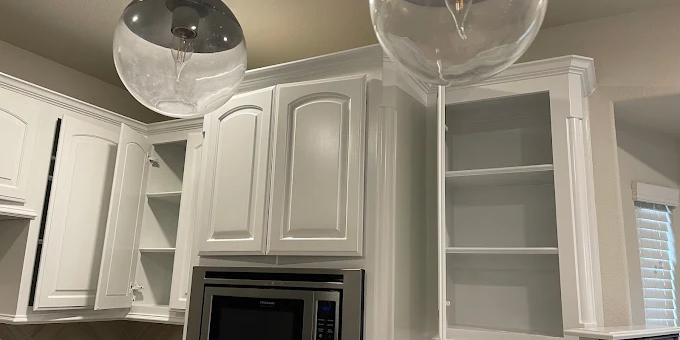
Kitchen cabinet staining is having a major moment right now because homeowners are rethinking what “updated” really means. Instead of ripping out perfectly functional cabinets and sending them to the landfill, more people in Allen, Texas are choosing to transform what they already have with creative stain concepts. Innovative staining approaches can change not just the color of your cabinets, but the entire mood, style, and feel of your kitchen. With the right plan, a dated oak kitchen can become a sleek, modern showpiece or a warm, character-filled gathering space without the cost of a full remodel.
What makes cabinet staining especially exciting today is how many new techniques, products, and design ideas are available. We have moved far beyond one-note medium brown stains. Homeowners are experimenting with layered tones, mixed materials, two-tone combinations, and even stain patterns that mimic high-end custom millwork. Professionals like MJ Workforce Solutions, working throughout Allen and the surrounding area, are using these ideas to tailor each kitchen to the personality of the home and the people who live there. Instead of a generic “builder look,” innovative cabinet staining allows you to create something that feels custom, intentional, and current.
In a fast-growing community like Allen, where homes range from newer builds to established properties ready for a refresh, cabinet staining has become a smart strategy to add value and style. It respects your existing cabinetry, works with the architectural character of the home, and can be completed far faster than a full cabinet replacement. Whether you are preparing to sell or planning to stay and enjoy your kitchen for years, exploring new ways to stain your cabinets can be one of the highest-impact choices you make.
Creative Color Concepts
Traditional cabinet staining used to mean picking a single shade of brown and calling it a day. Now, innovative staining ideas start with color exploration. Homeowners in Allen are moving toward a broader palette: weathered grays, warm taupes, rich espresso, and even subtle charcoal tones that still reveal the grain. These colors can dramatically update builder-grade oak or maple cabinets, making them look more custom and contemporary without losing the beauty of real wood.
One powerful approach is to use contrasting stain colors within the same kitchen. For example, you might choose a deep, moody stain for the island and a lighter, more natural tone for the perimeter cabinets. This creates visual interest and helps define zones within an open-concept space. A darker island can anchor the room, while lighter uppers keep things bright and airy. When executed by experienced professionals like MJ Workforce Solutions, the transitions between colors look intentional and polished rather than mismatched.
Another innovative idea is to lean into undertones that work with your existing finishes. If your flooring has warm red or honey hues, a cooler gray stain might clash, but a neutral brown with subtle gray undertones can bridge the gap beautifully. In Allen homes that feature popular quartz or granite countertops, selecting a stain color that pulls a subtle shade from the countertop veining can tie the entire kitchen together. This level of color coordination is often where a local pro’s eye for design becomes invaluable.
For homeowners who want something truly distinctive but not overwhelming, semi-transparent stains in muted colors like slate blue, soft green, or smoky black can add personality while still showcasing the wood. These are not paint-like finishes; instead, they tint the wood so that grain and texture remain visible, creating a sophisticated, layered effect that feels both modern and timeless.
Two-Tone And Zoned Staining
Two-tone cabinets are one of the most effective ways to make a kitchen look custom, and staining opens up a range of sophisticated variations beyond simple painted contrasts. Instead of painting upper cabinets white and lower cabinets navy, for instance, you can stain the uppers in a light, natural finish and the lowers in a richer, deeper tone. This creates depth and makes the kitchen feel visually grounded without the harder edges of paint.
A zoned staining strategy can go even further. You might choose one stain color for cabinets that frame the main cooking area, another for a coffee bar or beverage station, and a third for the island. When coordinated carefully, this creates a layered, built-in look, as if different pieces were collected over time. In busy Allen households where the kitchen serves multiple functions—meal prep, homework, entertaining—these zones can help the space feel more organized and intentional.
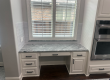
Two-tone staining is also a smart solution when you are working with mixed materials. If you have glass-front cabinets, open shelving, or a built-in desk in the kitchen, varying the stain color slightly can highlight those features. For example, a slightly darker stain inside glass-front cabinets can make dishes or decor stand out, while a lighter stain on surrounding doors keeps the look from feeling heavy. MJ Workforce Solutions often helps homeowners map out these subtle shifts so that the eye flows naturally across the room.
In many Allen homes, there is an adjoining breakfast nook or built-in pantry. Using a complimentary but not identical stain in these areas can create a sense of connection without everything blending together. This technique is particularly effective in open floor plans where the kitchen flows into a living area; by adjusting stain colors gently from space to space, you can define each area while maintaining a cohesive overall design.
Layered, Distressed, And Textured Looks
Innovative cabinet staining is not just about color; it is also about depth and texture. Layered staining techniques can make even standard cabinets look like custom, handcrafted pieces. One popular approach is to apply a base stain, then add a second, darker stain in select areas to emphasize profiles, edges, and details. This glazing or shadowing effect can give the illusion of age and craftsmanship, especially on raised-panel doors or decorative moldings.
For homeowners who love a farmhouse, rustic, or European-inspired style, distressed or antiqued staining can be transformative. Rather than heavily sanding and chipping the wood, modern methods focus on subtle wear patterns and color variations. A lighter base stain might be topped with a darker glaze that settles into crevices, then selectively wiped back to highlight the wood’s natural character. When done correctly, this creates cabinets that look like they have a story, without appearing damaged or overly “themed.”
Texture can also be emphasized through wire-brushing or light hand-scraping before staining. These techniques open up the softer parts of the grain, allowing stain to penetrate differently and creating a tactile surface. This is especially striking on species like oak or hickory that already have pronounced grain. In busy Allen kitchens where fingerprints and minor wear are inevitable, a textured, character-rich finish can actually be more forgiving over time than a perfectly smooth, glossy surface.
Because layered and textured finishes rely heavily on technique, they benefit greatly from professional execution. MJ Workforce Solutions brings both the technical skills and the artistic eye needed to balance contrast, avoid blotchiness, and ensure that the final look enhances the architecture of the home rather than competing with it. When done well, these finishes can make even a standard suburban kitchen feel like a custom showcase.
Blending Stain With Paint And Hardware
One of the most innovative directions in cabinet design is the intentional mixing of stained and painted finishes within the same kitchen. Instead of choosing one or the other, you can use both to create a layered, interior-designer look. For example, lower cabinets might be stained in a warm medium tone while upper cabinets are painted a soft, light color. The stained wood adds warmth and grounding, while the painted uppers keep the space open and bright.
Another approach is to stain only certain architectural elements: perhaps the island is stained while perimeter cabinets are painted, or a built-in hutch is stained to resemble a freestanding furniture piece. This strategy is especially effective in Allen homes with open concepts, where the kitchen is visible from the living and dining areas. A stained “furniture-style” island can help the kitchen feel integrated with other wood pieces in the home, such as a dining table or media console.
Hardware selection plays a critical role in making these mixed finishes look intentional. The same knob or pull can appear entirely different against a stained door versus a painted one. Brushed brass or warm bronze often pairs beautifully with rich stains, while black or stainless hardware can create a crisp, modern contrast. MJ Workforce Solutions frequently helps homeowners in Allen coordinate stain colors with hardware finishes so that everything feels cohesive rather than pieced together.
When planning a combination of stain and paint, it is also important to think about long-term maintenance. Stained lower cabinets may handle scuffs and wear better than painted ones in high-traffic areas. Conversely, painted uppers are less likely to be bumped or scratched and can stay pristine for years. By mixing the two strategically, you can create a kitchen that is both beautiful and practical for real family life.
Practical Planning For Allen Homes
Innovative cabinet staining ideas only succeed when paired with smart planning and preparation. The climate in Allen, Texas—hot summers, fluctuating humidity, and strong sunlight—means that product choice and application technique matter. High-quality stains and protective topcoats are essential to prevent fading, yellowing, or premature wear, especially on cabinets near windows or exterior doors. Professional-grade finishes are formulated to resist these challenges better than many DIY options.
Surface preparation is another critical factor. Existing cabinets often have layers of old finish, grease, and everyday grime that must be removed or properly sanded before new stain can adhere. Skipping or rushing this step can lead to uneven absorption, blotchy color, and poor durability. MJ Workforce Solutions brings the tools and experience needed to address these issues efficiently, from thorough cleaning and sanding to careful masking and dust control during the project.
Timing and logistics also matter for busy households in Allen. Cabinet staining can often be completed faster and with less disruption than a full replacement, but it still requires planning. Doors and drawers may be removed and worked on off-site, while frames are treated in place. A professional crew can sequence the work to keep at least part of the kitchen functional as much as possible, minimizing downtime. This level of organization is particularly important for families with children, home-based workers, or tight schedules.
Finally, thinking ahead about how your kitchen will be used over the next 5–10 years can guide stain choices. If you anticipate selling, a more neutral, broadly appealing palette may make sense. If you plan to stay long-term, you might choose bolder or more personalized finishes that reflect your taste. The right partner will help you balance current trends with enduring style so your investment continues to feel fresh rather than quickly dated.
Working With Local Pros
While DIY cabinet staining is possible, the more innovative and customized your ideas become, the more valuable professional expertise is. Achieving consistent color across different wood species, managing tricky grain patterns, and executing layered or two-tone finishes all require a practiced hand. A local specialist who understands the homes and styles common in Allen can also offer ideas you might not have considered, tailored to your specific layout, lighting, and existing finishes.
MJ Workforce Solutions serves Allen, Texas with a focus on detailed preparation, thoughtful design input, and durable finishes. Their team can walk you through stain samples in your actual kitchen lighting, test colors on inconspicuous areas, and adjust formulas to get exactly the tone you want. This collaborative process often leads to more creative, satisfying outcomes than simply picking a color from a brochure.
Another advantage of working with a professional is guidance on integrating your cabinet project with other updates. Perhaps you are also considering new flooring, backsplash, or wall color. Coordinating all of these elements can be overwhelming. An experienced crew can help you sequence the work and ensure that your stain choices complement, rather than compete with, other finishes. Over time, this holistic approach creates a kitchen that feels cohesive and thoughtfully designed.
If you are ready to explore these types of ideas for your own home, you can start by looking at the services and areas covered here: Kitchen Cabinet Staining. Seeing what is possible in similar Allen homes can spark new directions for your project and help you refine your vision before any work begins.
Frequently Asked Questions
How do I know if my existing cabinets are good candidates for staining instead of replacement? Most solid wood cabinets, and some high-quality veneers, can be successfully restained as long as they are structurally sound. If doors are warped, boxes are damaged, or hinges are failing, those issues may need to be addressed first. A professional evaluation can determine whether your cabinets simply need cosmetic updating or if there are underlying problems that make replacement a better investment. In many Allen homes, cabinets that look outdated are actually excellent candidates for transformation through innovative staining techniques.
Can very orange or dated oak cabinets really be modernized with stain? Yes, strongly orange or yellow-toned oak can often be dramatically updated. Through careful sanding, conditioning, and the use of modern stain colors with gray or neutral undertones, the warmth can be toned down and the grain given a more contemporary look. Techniques like layering stains, using semi-transparent colors, or adding a subtle glaze can further refine the appearance. Professionals like MJ Workforce Solutions are familiar with the common oak cabinets found in Allen and can recommend specific approaches that work well on that type of wood.
How long does a cabinet staining project usually take in an occupied home? The timeline depends on the size of the kitchen, the complexity of the finish, and the condition of the existing cabinets, but many projects can be completed within several days to a couple of weeks. Doors and drawers are often removed and worked on separately while frames are treated in place. A well-organized crew will sequence the work to minimize disruption, keeping your sink and key appliances accessible whenever possible. During the initial consultation, you should receive a realistic schedule so you can plan around the work.
Will a stained finish hold up to kids, pets, and heavy use? When properly prepared and sealed with a high-quality topcoat, stained cabinets can be very durable and forgiving in busy households. The stain penetrates into the wood, and the clear protective finish on top resists moisture, fingerprints, and everyday wear. Textured or lightly distressed looks can be especially practical, as they tend to hide minor nicks and scuffs better than perfectly smooth, glossy surfaces. Regular gentle cleaning and avoiding harsh chemicals will help maintain the finish over time.
How should I choose between a stained, painted, or mixed finish for my kitchen? The best choice depends on your style preferences, the existing elements in your home, and how you use your kitchen. Stained finishes showcase wood grain and add warmth, painted finishes offer crisp color and can brighten a space, and mixed approaches give you the best of both. A design-focused consultation can help you evaluate your countertops, flooring, natural light, and long-term goals. In many Allen homes, a combination of stained and painted surfaces provides the most flexible and visually interesting solution.