By the time the Texas sun has baked your siding for another summer and a surprise hailstorm has rattled through Allen, you might start to notice what homeowners often miss in day‑to‑day life: hairline cracks in the trim, faded color along the southern wall, or peeling paint around the garage door. Maybe you run your hand along the siding and see a chalky residue on your fingers, or you notice the front door just doesn’t pop the way it used to. That’s usually the moment people decide it’s time for a new exterior paint job. But what many don’t realize is that the quality of the final result depends far less on the paint brand and far more on what happens before the first stroke of a brush: the preparation.
Exterior painting preparation is where curb appeal, durability, and protection for your home are actually built. The paint is only the visible layer; the real work lives underneath. In a place like Allen, Texas, where intense sun, humidity swings, and the occasional freeze put every home’s exterior to the test, surface preparation is not optional. It’s the difference between a finish that looks great for a year and one that still looks sharp a decade later. Professional crews like MJ Workforce Solutions spend most of their time preparing, not painting, because they know every shortcut taken at this stage will show up later as peeling, blistering, or premature fading.
This complete guide walks you step by step through how to properly prepare your home’s exterior for painting. Whether you’re planning to tackle the project yourself or want to understand what a professional crew should be doing, you’ll see why thorough prep is the backbone of a long‑lasting exterior. From evaluation and cleaning to repairs, sanding, caulking, priming, and finally staging for paint, each stage matters—and each is shaped by the particular climate and construction styles common in Allen, Texas.
Assessing Your Home’s Exterior
Before anyone drags out ladders or pressure washers, a detailed inspection of the exterior is crucial. You want to identify every area where paint has failed, moisture might be intruding, or the surface is too compromised to simply coat over. Walk slowly around the home, looking closely at siding, trim, fascia boards, soffits, window frames, doors, and railings. Take note of blistering, peeling, cracking, chalking, mildew, and any exposed raw wood or bare masonry. In the harsh North Texas sun, south and west facing walls are especially prone to UV damage, so give them extra scrutiny.
It’s not just the paint you’re evaluating, but the underlying materials. Press gently on wood trim and siding to check for softness that might indicate rot. Look at the bottoms of door frames, window sills, and where siding meets horizontal surfaces—these are common spots for water damage. On brick or masonry, check for efflorescence (white, powdery deposits) and crumbling mortar. On stucco, look for hairline or larger cracks. MJ Workforce Solutions crews in Allen are trained to spot these subtle warning signs because they inform how much repair and prep will be needed before painting can even begin.
During this assessment, it helps to create a simple map or list of issues by elevation (front, back, left, right). Note which surfaces are wood, fiber cement, stucco, brick, or metal, because each will need a slightly different approach. This is also the time to consider previous paint history: Has the home been repainted multiple times? Are there very thick layers of old paint that may be nearing failure? The more you know at this stage, the fewer surprises you’ll face once work starts and the smoother the project will run.
Cleaning And Removing Contaminants
Once you know what you’re dealing with, the next major step is cleaning. Exterior surfaces in Allen collect a mix of dust, pollen, air pollution, and sometimes mildew or algae, especially in shaded or north‑facing areas. If you paint over that contamination, the new coating will struggle to adhere and will likely fail prematurely. Proper cleaning isn’t glamorous, but it is one of the most important steps in exterior painting preparation.
Pressure washing is commonly used, but it must be done correctly. Too much pressure can gouge wood, force water behind siding, or damage window seals. A professional crew will select the right nozzles and pressure settings for each surface—gentler on older wood and more robust on durable masonry. They may also use cleaning solutions designed to remove chalky oxidation, mildew, and stains without damaging the substrate. Mildew and algae, in particular, need to be treated with the right cleaners; simply blasting them with water often leaves spores that can bleed through new paint.
After washing, the home needs time to dry thoroughly. In Allen’s warm climate, surfaces may dry faster, but shaded areas, joints, and porous materials like stucco or raw wood can retain moisture longer. Painting over damp surfaces is a recipe for blistering and adhesion failure. MJ Workforce Solutions technicians account for weather conditions, sun exposure, and material type to determine safe drying times before moving on. This pause might feel like downtime, but it’s essential to the integrity of the final finish.
Repairing, Scraping, And Sanding
With the exterior clean and dry, the real transformation begins in the repair and surface preparation phase. Any loose, flaking, or peeling paint must be removed completely. This is usually done by scraping with proper tools and, where appropriate, using sanding or mechanical methods to feather the edges of remaining sound paint. The goal is to create a smooth transition between old and new surfaces so that the final coat appears uniform and doesn’t telegraph old failures.
On wood surfaces, this is also the time to address rot, splits, and damaged boards. Minor rot can sometimes be repaired with specialized wood fillers or epoxy consolidants, but more extensive damage usually calls for board replacement. In Allen, common problem areas include fascia boards near gutters, trim near rooflines, and lower sections of siding exposed to splashback from rain. MJ Workforce Solutions emphasizes repairing these issues before painting, because coating over compromised wood only hides a problem that will soon return, often worse than before.
Sanding plays a key role in creating a paint‑ready surface. After scraping, rough or glossy areas should be sanded to improve mechanical adhesion. Previously painted doors, railings, and trim often need more thorough sanding to knock down ridges and create a consistent profile. For metals, such as railings or light fixtures, any rust must be removed or stabilized, and the surface abraded before priming. The objective is not necessarily to remove every trace of old paint, but to ensure that what remains is firmly bonded and that the surface has the right texture for primer and paint to grip.
Caulking, Sealing, And Addressing Gaps
Once surfaces are sound and smooth, attention shifts to joints, seams, and small openings. These are the places where water and air can sneak into your home’s envelope. Proper caulking and sealing not only improve the appearance of the paint job by creating clean lines, but they also enhance your home’s energy efficiency and protect against moisture intrusion. In a climate like Allen’s, with heavy downpours followed by intense heat, keeping water out of vulnerable areas is crucial.
High‑quality exterior caulk should be used at joints where siding meets trim, around windows and doors, and at small cracks that don’t require structural repair. The choice of caulk matters: paintable, flexible, and UV‑resistant products will move with the building and withstand Texas weather. Old, brittle caulk should be removed or cut back, and the new bead applied carefully, then tooled smooth for a neat finish. Over‑caulking can be as problematic as under‑caulking, so experienced pros know where to leave small weep gaps or expansion joints unsealed to allow for proper drainage and movement.
This is also the stage to address gaps around utility penetrations, trim transitions, and other details that often get overlooked. Even small cracks can allow water behind siding, where it can slowly cause damage. By taking time to seal these areas before painting, you extend the life of both the paint job and the structure. MJ Workforce Solutions crews in Allen view caulking and sealing as part of the home’s defense system, not just an aesthetic step, and they treat it with that level of care.
Priming For Long‑Lasting Results
Primer is the bridge between your prepared surface and the finish coats, and it serves different purposes depending on the substrate and condition. On bare wood, primer seals the surface, evens out porosity, and provides a bonding layer for paint. On patched areas, it helps hide repairs and creates a uniform base so the final color appears consistent. Over stained or tannin‑rich woods, a stain‑blocking primer prevents discoloration from bleeding through the topcoats.
In Allen, where UV exposure is intense and temperature swings can be significant, the right primer also contributes to durability. Different surfaces—wood, fiber cement, stucco, metal, or masonry—benefit from specific primer formulations. For example, masonry primers are designed to handle the alkalinity of concrete and stucco, while metal primers address corrosion and adhesion challenges. A professional like MJ Workforce Solutions will select primers compatible with both the substrate and the chosen finish paint, ensuring the whole system works together rather than fighting itself.
Spot priming may be sufficient on a relatively sound, previously painted house, focusing on bare spots, repairs, and high‑risk areas. In other cases, especially when there is extensive peeling or color change, a full prime coat is the wiser choice. Over‑priming is rare; under‑priming is common and costly. Taking the time to apply primer correctly, at the right thickness and with proper drying time, sets the stage for a smooth, even, and long‑lasting exterior finish.
Planning, Protection, And Final Checklist
Beyond the physical surface work, proper exterior painting preparation includes thoughtful planning and protection. Weather is a major factor in Allen, Texas. You need to schedule work during a window of suitable temperatures, low risk of rain, and manageable wind. High heat can cause paint to dry too quickly, leading to lap marks and poor adhesion, while painting just before a storm can ruin fresh coatings. Professional teams monitor forecasts, plan work sequences around sun exposure, and adjust daily schedules to maximize quality.
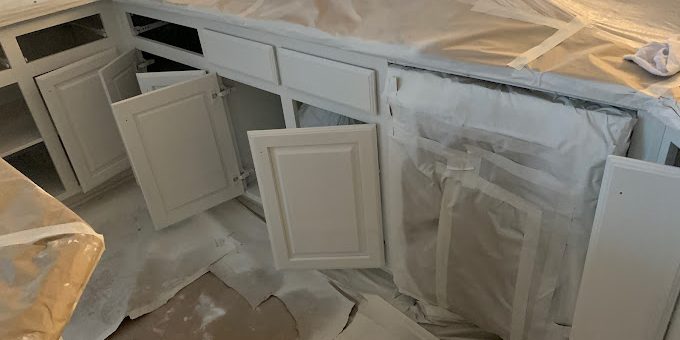
Protecting your property is another core part of prep. Landscaping, concrete, decks, and fixtures should be covered or masked as needed. Shrubs may need to be gently tied back, and delicate plants shielded from overspray and cleaning solutions. Windows, lights, door hardware, and other architectural elements get taped or masked to ensure clean lines and easy cleanup. MJ Workforce Solutions treats this as part of the prep phase, not an afterthought, because careful protection prevents damage and keeps the job looking professional from start to finish.
Finally, a detailed pre‑painting checklist helps ensure nothing is missed. This includes verifying that all surfaces are dry, repairs are complete, loose paint is removed, glossy areas are sanded, gaps are caulked, primer is applied where needed, and all safety equipment and access (ladders, scaffolding) are properly set up. At this point, you’re not just ready to paint; you’ve built a solid foundation for the paint system to perform. Whether you choose MJ Workforce Solutions for exterior work or even for a related project like Interior Painting, understanding this preparation process gives you confidence that the job is being done the right way, not just the fast way.
Frequently Asked Questions
How long does proper exterior painting preparation usually take? The timeline for prep depends on the size and condition of the home, as well as the complexity of the surfaces. For a typical Allen, Texas single‑family home in average condition, preparation alone can take anywhere from two to four days for a professional crew, sometimes longer if there is extensive repair work or rot replacement. Cleaning, drying times, scraping, sanding, repairs, caulking, and priming all add up. While it may feel tempting to rush this phase, each step directly impacts how long your new paint job will last, so a few extra days up front can add years of life to the finish.
Can I skip pressure washing if my house looks relatively clean? Even if your exterior appears clean, there is almost always a film of dust, chalked paint, and microscopic contaminants on the surface, especially in a region with frequent wind and pollen like Allen. Skipping washing means those contaminants remain between the substrate and the new paint, weakening adhesion. While pressure washing is not the only cleaning method, some form of thorough washing is essential. A professional will adjust the method and pressure to suit the material, but they will not paint over unwashed siding or trim if long‑term performance is the goal.
Do I always need primer before painting the exterior? Primer is not always required on every square foot, but it is almost always needed somewhere. Bare wood, metal, patched areas, stains, and previously peeling sections should be primed at a minimum. In many cases, especially with older homes, a full coat of primer provides a more uniform base and stronger bond, leading to better coverage and durability from the topcoat. Some modern paints are marketed as paint‑and‑primer in one, but even then, professionals like MJ Workforce Solutions often still use dedicated primers on problem areas to ensure the best possible result.
What happens if I paint over peeling or flaking paint without scraping? Painting over peeling paint is like putting a new roof over rotten decking: it may look fine for a short time, but the underlying failure will quickly reveal itself. The loose layers underneath will continue to detach from the surface, taking your fresh paint with them. You’ll see new peeling, bubbling, or cracking, sometimes within a single season of Allen’s sun and storms. Proper scraping and sanding remove unstable material so the new coating bonds only to sound, well‑adhered layers or directly to the substrate, significantly extending the life of the job.
Why is exterior painting preparation especially important in Allen, Texas? The local climate in Allen combines intense UV exposure, high summer temperatures, occasional freezing winters, and heavy rain events. These conditions stress exterior surfaces and coatings more than milder climates do. Any weakness in preparation—trapped moisture, unsealed gaps, poorly adhered old paint—will be exploited by this environment, leading to faster failure. By tailoring prep work to these specific conditions, using appropriate products, and following a meticulous process, professionals can deliver an exterior paint job that not only looks beautiful but also stands up to the unique demands of North Texas weather.