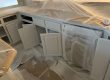

Most homeowners focus on color when they decide to paint their cabinets, and almost completely overlook the finish. That’s where things usually go wrong. A gorgeous shade of white, greige, or navy can end up looking cheap, chalky, or streaky if the wrong sheen or product is used. Worse, the wrong finish can chip, scratch, or stain within months, especially in busy Allen, Texas kitchens where cabinets are opened, closed, and wiped down constantly.
Choosing the right finish for cabinet painting is not just a design decision; it is a durability and livability decision. The finish you select will determine how easy your cabinets are to clean, how resistant they are to fingerprints and grease, and how well they stand up to kids, pets, and everyday cooking. MJ Workforce Solutions has seen beautiful cabinet colors ruined by poorly chosen finishes that either highlight every flaw or fail under normal use. When you get the finish right, your cabinets not only look professional, they actually function better and last longer.
If you’re planning to repaint your kitchen or bathroom cabinets in Allen, it pays to understand the differences between sheens, paint types, and specialty cabinet coatings. The right finish should fit your lifestyle, your lighting, your design style, and the specific conditions in your home. Once you understand how all those factors interact, you can make a confident choice instead of guessing and hoping for the best.
Why Cabinet Finish Matters
The finish on your cabinets is the first line of defense against the everyday abuse they take. Kitchen and bathroom cabinets deal with greasy fingers, splashes, steam, cleaners, and constant handling. A wall can get away with a lower-quality finish and still look fine; cabinets cannot. They are touched, bumped, and wiped far more than your walls, so they need a finish engineered for high traffic and frequent cleaning.
Finish also affects how your cabinets look in real life, not just in photos or under showroom lighting. The sheen level (how shiny or matte the surface is) changes how the color appears, how much light it reflects, and whether imperfections jump out or quietly fade into the background. A higher sheen can make colors look richer, but it can also highlight every brush mark, roller line, or patch in the wood grain. A lower sheen hides more, but it may not clean as easily or resist moisture as well.
Another reason finish matters is that it directly influences long-term maintenance. With the right cabinet finish, routine cleaning is simple and safe, and touch-ups blend in more easily. With the wrong finish, you may find that cleaning leaves shiny spots, dull patches, or even rubs paint off high-touch areas like around pulls and knobs. Professional painters like MJ Workforce Solutions in Allen, Texas spend a lot of time talking about finishes because they know that’s where the success of a cabinet project is truly decided.
Understanding Sheen Levels
One of the most confusing parts of choosing a cabinet finish is sheen selection. Sheen refers to how much light the painted surface reflects. Manufacturers use terms like flat, matte, eggshell, satin, semi-gloss, and high-gloss. Each of these has its own pros and cons for cabinets, and the best choice depends on how your kitchen is used and how perfect (or imperfect) your cabinet surfaces are.
Flat and matte finishes are rarely recommended for cabinets. While they hide imperfections beautifully and give a soft, contemporary look, they generally are not durable enough for high-contact surfaces. They can stain more easily and may not stand up well to repeated scrubbing. For that reason, most homeowners in Allen are better off skipping flat or matte finishes for cabinets and reserving those for low-traffic walls or ceilings.
Eggshell and satin finishes are often considered the sweet spot for many cabinet projects. Satin, in particular, offers a nice balance between washability and subtle sheen. It reflects enough light to feel clean and fresh but not so much that every dent or filled nail hole becomes obvious. Semi-gloss and high-gloss finishes are more reflective and extremely durable, which makes them popular for traditional and contemporary high-end looks. However, they will expose every flaw in the wood and every application error, so they demand near-perfect prep and professional application.
Durability vs. Appearance
Many homeowners initially assume that the shiniest finish must automatically be the most durable choice. While there is some truth to glossier finishes being more washable and moisture-resistant, the real-world situation is more nuanced. A semi-gloss or high-gloss cabinet finish does tend to be tougher against water and stains, but it also amplifies surface imperfections and can make a busy kitchen feel visually noisy if there are a lot of doors and drawers.
From an appearance standpoint, satin is often the most forgiving and versatile sheen. It has enough durability for most kitchens and bathrooms while still allowing for a smooth, elegant look that does not scream “painted.” In a home in Allen with older cabinets that have been painted before, a satin finish can help mask minor surface irregularities and give a more cohesive, updated look without calling attention to flaws in the wood or prior repairs.
Durability is not just about how a finish handles cleaning; it is also about how it responds to movement and impact. Cabinet doors flex slightly when opened and closed, and drawers are frequently bumped. A good cabinet finish must be flexible enough to move with the wood without cracking, yet hard enough to resist dents and chips. Professional cabinet paints and enamels are formulated with this balance in mind. MJ Workforce Solutions often recommends high-quality enamel or cabinet-specific coatings because they are designed to cure into a hard, durable shell while still bonding strongly to properly prepared surfaces.
Paint Types For Cabinets
Beyond sheen, you need to consider what type of paint or coating is used on your cabinets. Traditional latex wall paint is usually a poor choice for cabinets, even in a higher sheen, because it is not formulated for repeated handling and heavy wear. It may feel dry to the touch quickly, but it never fully cures to the hardness required for cabinets. This can lead to sticking doors, easy scratching, and premature wear in high-contact areas.
Many modern cabinet projects in Allen use waterborne alkyd enamels or specialized cabinet paints. These products combine the low-odor, easy-cleanup benefits of water-based paint with the hardness and leveling properties of oil-based products. They dry to a smoother, more furniture-like finish and resist blocking (the problem where doors stick to frames or drawers stick in their openings). This type of paint is a popular choice for homeowners who want professional results without the extended dry times and strong fumes of traditional oil-based paints.
Oil-based paints, while less common in residential projects today, still have a reputation for exceptional leveling and durability. However, they come with downsides: longer drying times, stronger odors, and more challenging cleanup. In a busy Allen household, especially with kids or pets, these drawbacks can be significant. Professional painters like MJ Workforce Solutions can guide you on whether a modern waterborne enamel or a specialized cabinet coating will provide the best balance of appearance, durability, and practicality for your specific project.
Matching Finish To Lifestyle
The “right” cabinet finish is not the same for every household. How you live in your home should shape the decision just as much as aesthetics. For example, a family with young children who are constantly opening drawers with sticky hands will benefit from a durable satin or semi-gloss finish that wipes clean easily. The slightly higher sheen in these finishes makes it easier to remove fingerprints, splatters, and crayon marks without damaging the paint film.
If you cook frequently and your kitchen is the hub of activity, your cabinets will be exposed to more grease, steam, and cleaning products. In that setting, a tougher cabinet enamel in satin or semi-gloss often outperforms softer wall paints or lower-sheen finishes. MJ Workforce Solutions routinely evaluates how clients in Allen use their kitchens and bathrooms before recommending a finish, because a gorgeous but fragile finish will quickly become a source of frustration.
On the other hand, if your kitchen is more of a show space and sees lighter use, you might prioritize a particular look over maximum durability. A softer satin sheen in a specialty cabinet coating can give a refined, upscale appearance that pairs beautifully with stone countertops and modern fixtures. The key is being honest about how much wear and tear your cabinets will see and choosing a finish that supports your reality, not just your design inspiration photos.
Considering Light, Color, And Space
Allen, Texas homes vary widely in terms of natural light, window placement, and kitchen layouts. The way light interacts with your chosen cabinet finish can dramatically change the overall effect. In a kitchen with strong natural light, a high-gloss or even semi-gloss finish can feel overly reflective and highlight every tiny ripple or brush mark. In a more dimly lit kitchen, that same gloss might add needed brightness and make the space feel larger and more energetic.
Color and sheen are also closely connected. Dark colors tend to show imperfections more than light colors, especially in higher sheens. A deep navy or charcoal in semi-gloss will reveal any dents, grain inconsistencies, or application issues, whereas a satin finish can soften those effects without making the color feel dull. Light colors, like whites and soft grays, generally tolerate slightly higher sheens better because they naturally bounce light and hide minor flaws more easily.
The size and layout of your kitchen or bathroom should also influence your finish choice. In a small galley kitchen, an extremely glossy finish on every cabinet surface can feel overwhelming and busy. A satin or soft semi-gloss can still provide cleanability without turning your cabinets into mirrors. In a larger, open-concept space, carefully using a slightly glossier finish on select elements—like an island or accent bank of cabinets—can create a focal point while keeping the rest of the cabinetry more understated.
Why Professional Application Matters
Even the best cabinet finish can look disappointing if it is not applied correctly. Cabinets require meticulous surface preparation: cleaning, degreasing, sanding, repair of dings and holes, and proper priming. The smoother and more consistent the base, the better any finish will look. High-sheen finishes in particular are unforgiving, so any shortcuts in prep will show up as visible flaws once the paint dries.
Application methods also play a major role. Spraying, when done by professionals with the right equipment and technique, can produce a factory-like finish with minimal texture. Brushing and rolling can also yield excellent results, but they require skill, the right tools, and careful attention to technique to avoid heavy brush marks and roller stipple. MJ Workforce Solutions has experience selecting the appropriate method for each cabinet project in Allen, considering the existing condition of the cabinets, the chosen finish, and the homeowner’s expectations.
Finally, curing time is often misunderstood. Cabinets may be dry to the touch within hours, but full cure—the point at which the finish reaches maximum hardness and durability—can take days or even weeks, depending on the product. During this time, gentle use and careful cleaning are essential. Professional painters will explain these timelines and provide guidance on when you can reinstall hardware, load cabinets, and resume normal use. Skipping this step or treating newly painted cabinets too roughly too soon can damage even the highest-quality finish.
Frequently Asked Questions
What sheen is best for kitchen cabinets? For most homes, satin or semi-gloss are the best choices for kitchen cabinets. Satin offers a balanced look that is not too shiny but still easy to clean, making it ideal for busy Allen kitchens with kids, pets, and frequent cooking. Semi-gloss provides a bit more durability and moisture resistance, which can be useful around sinks and cooktops, but it will also highlight surface imperfections more. MJ Workforce Solutions often recommends satin for older or less-than-perfect cabinets and semi-gloss for newer, smoother doors and drawer fronts.
Can I use the same paint I use on walls for my cabinets? Standard wall paint, even in higher sheens, is rarely the best option for cabinets. Walls do not experience the same level of handling, impact, and cleaning that cabinets do, so wall paints are not formulated with the same hardness and block resistance. On cabinets, these products can scratch, chip, or stick more easily. A dedicated cabinet enamel or high-quality waterborne alkyd is a better choice because it cures to a harder, more durable finish specifically designed for doors, trim, and cabinetry.
Do darker colors need a different finish than lighter colors? Dark cabinet colors often look and perform better in a slightly lower sheen, like satin, because they reveal imperfections more clearly than lighter colors. A dark semi-gloss finish can be striking but will expose every small flaw, dust nib, or brush mark. Light colors like white and pale gray are more forgiving and can handle semi-gloss without looking overly busy. When MJ Workforce Solutions helps Allen homeowners choose finishes, they consider both the color and the sheen together to achieve the right balance of appearance and practicality.
How long does a cabinet finish take to fully cure? While most cabinet paints are dry to the touch within a few hours, full curing can take anywhere from 7 to 30 days depending on the product, temperature, and humidity. During this curing period, the finish gradually hardens and becomes more resistant to scratches, stains, and blocking. It is important to treat newly painted cabinets gently: avoid harsh cleaners, do not slam doors or drawers, and be cautious about placing heavy or rough items against the surfaces. Professional painters will provide specific cure-time guidelines based on the products they use.
Can a professional repaint my existing cabinets with a more durable finish? Yes. In many cases, existing cabinets can be successfully repainted with a more appropriate and durable finish, provided they are structurally sound. The process usually involves thorough cleaning, sanding, repairing damaged areas, and applying a bonding primer followed by a high-quality cabinet enamel or specialty coating. This approach can dramatically improve both appearance and durability without the cost and disruption of full cabinet replacement. If you are considering upgrading your cabinet finish in Allen, MJ Workforce Solutions can assess your current cabinets and recommend the best path forward, whether that means repainting, refinishing, or pairing painting with other updates like new hardware or even complementary services such as Wallpaper Installation.