
Rooms that feel dim, cramped, or lifeless can drag down your mood more than you might realize. Maybe your living room looks dull even at midday, or your hallway feels like a tunnel, or your home office in Allen, Texas, never seems bright enough no matter how many lamps you add. Often, the real issue isn’t the furniture or the lighting fixtures—it’s the color on your walls. Interior painting, done thoughtfully, can transform a gloomy space into one that looks open, fresh, and full of energy.
Brightening your home is not just about choosing “light” paint colors. It’s about understanding how color, sheen, placement, and even the direction of natural light work together. With smart interior painting ideas, you can visually expand small rooms, highlight architectural details, and make your entire home feel more inviting. MJ Workforce Solutions, serving homeowners in Allen, Texas, helps residents rethink their spaces with color strategies that maximize brightness while still reflecting personal style.
Whether you’re dealing with a dark north-facing bedroom, a windowless hallway, or a kitchen that feels dated and heavy, there are practical painting techniques that can completely reshape how your home looks and feels. From the subtle magic of undertones to strategic accent walls and ceiling treatments, the right approach to paint can turn “just okay” spaces into rooms where you actually want to spend time.
Understanding Light And Color
Before choosing paint, it helps to understand how light and color interact. Natural light changes throughout the day, and the same color can look dramatically different from morning to evening. In Allen, Texas, bright sunny days can make certain hues appear washed out, while overcast days or shaded rooms can cause colors to look deeper or even slightly dull. This is why testing colors in your actual space is so important instead of relying solely on a paint chip in the store.
Warm colors (with yellow, red, or orange undertones) tend to make a room feel cozy and inviting, but if they’re too intense or too dark, they can also make a space feel smaller. Cool colors (with blue, green, or gray undertones) often feel calm and airy, but the wrong shade can come across as cold or sterile. The goal when brightening a space is to choose colors that reflect more light while still feeling comfortable and livable.
Undertones are especially critical. A “white” paint, for instance, may have a creamy yellow undertone, a crisp blue undertone, or a subtle pink or green cast. In a room with limited natural light, a white with a cooler undertone can sometimes feel stark, while a slightly warm white can add softness and warmth without looking dingy. Professional painters like MJ Workforce Solutions evaluate your existing finishes—floors, cabinets, countertops, and trim—to select paint colors whose undertones complement what you already have instead of clashing with it.
Artificial lighting also changes how color reads. LED bulbs, warm incandescent bulbs, and daylight-balanced bulbs each bring out different aspects of a color. When planning your interior painting project, think about the type of lighting you use in each room and how it interacts with your chosen colors. A color that looks bright and cheerful under warm lighting might appear grayer under cooler bulbs, and vice versa.
Choosing Brightening Color Palettes
One of the most effective ways to brighten your home is to shift to a lighter, cohesive color palette that flows from room to room. This doesn’t mean every wall has to be white. Instead, consider a base of soft neutrals—warm whites, light greiges, or delicate beiges—paired with pale tints of blues, greens, or blush tones. These colors help bounce light around the room, making spaces feel more open and airy while still adding personality.
For living rooms and open-concept spaces, a light neutral on the main walls paired with slightly deeper tones on accent walls or built-ins can provide dimension without sacrificing brightness. In Allen homes where natural light pours in from large windows, a soft off-white or very light greige can keep things bright while avoiding the stark, clinical feel of pure white. MJ Workforce Solutions often helps homeowners sample a few close shades on the wall so they can see how each one behaves during the day and at night.
Bedrooms can benefit from serene, light colors that promote relaxation while still making the room feel larger. Pale blue-gray, soft sage, or light blush can brighten a small room but still feel cozy. In darker bedrooms with limited windows, a slightly warmer neutral can counteract the coolness of shadows, creating a more welcoming feel. The right palette balances light reflection with comfort, so you don’t end up with a space that feels too bright to relax in.
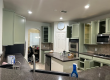
Bathrooms and kitchens, often full of hard surfaces like tile and countertops, can be revitalized with fresh paint on the walls and even the cabinets. Light, clean colors such as soft whites, light grays, or pale taupes can make these spaces feel larger and more hygienic. When cabinets are dark or dated, painting them a lighter shade dramatically brightens the entire room, especially when paired with a complementary wall color. This kind of strategic palette update can be far more cost-effective than a full remodel.
Using Sheen And Finish To Reflect Light
The sheen of your paint plays a major role in how bright your space appears. Different finishes reflect light differently, and choosing the right sheen for each surface can significantly enhance brightness. Flat or matte finishes absorb more light, which can be useful for hiding wall imperfections but may make a room feel slightly more subdued. On the other hand, eggshell, satin, and semi-gloss finishes reflect more light, contributing to a brighter, crisper look.
For most walls, an eggshell or low-sheen finish strikes a good balance between light reflection and practicality. It offers enough sheen to bounce light around without highlighting every tiny flaw in the wall. In high-traffic areas like hallways, entryways, and children’s rooms, satin finishes are a popular choice because they are easier to clean and still help with brightness. MJ Workforce Solutions often recommends specific sheens based on how each room is used and the condition of the existing walls.
Trim, doors, and moldings are excellent opportunities to increase brightness without repainting entire rooms in high-gloss finishes. Painting trim in a semi-gloss or gloss white not only defines architectural details but also reflects light, creating a crisp frame around the walls and windows. This contrast between softer wall finishes and shinier trim adds polish and makes the whole room feel more luminous.
Ceilings are frequently overlooked, but their finish matters too. A flat finish is common for ceilings because it hides imperfections and reduces glare from overhead lighting. However, choosing a slightly brighter white shade on the ceiling compared to the walls can make the room appear taller and more open. A professional painting company in Allen, like MJ Workforce Solutions, can help you select ceiling paints that quietly enhance brightness without creating unwanted shine.
Strategic Painting Techniques For Small Or Dark Rooms
In small or dark rooms, the way you apply paint can be just as important as the color itself. One effective technique is to paint the walls and trim in the same light color but use different sheens. For example, walls in an eggshell finish and trim in a semi-gloss of the same shade create a seamless look that visually expands the room. Without stark color breaks, your eye travels more easily, making the space feel larger and brighter.
Another strategy involves painting the ceiling a lighter color than the walls. This creates the illusion of more height and openness, especially in rooms with standard or low ceilings. In narrow hallways, painting the ceiling and upper portion of the walls in a light color and keeping the lower walls slightly darker can make the space feel less tunnel-like. This subtle two-tone approach guides the eye upward and softens the sense of confinement.
Accent walls, when used thoughtfully, can also help brighten a space. Instead of choosing a dark, bold color that might shrink the room, consider a light but slightly different shade on one wall to draw attention toward natural light sources. For example, painting the wall around a window a soft, luminous color can emphasize the light coming in and create a focal point. In Allen homes where some rooms may lack large windows, a carefully chosen accent wall can still provide visual interest without stealing brightness.
In particularly dark spaces, such as interior bathrooms or windowless offices, reflective surfaces become especially important. Pairing light-colored walls with glossy tile, mirrors, and light-colored furniture amplifies the effect of the paint. Professional painters can also advise on whether a subtle wash or decorative finish might help bounce more light around while adding character to what might otherwise be a plain, small room.
Preparing Surfaces For Maximum Brightness
Even the best color choices will fall short if the walls themselves are in poor condition. Cracks, dents, stains, and uneven textures can cast small shadows that subtly darken a room and make freshly painted surfaces look less than ideal. Proper preparation is a key part of brightening a space with paint. This means filling holes, sanding rough areas, addressing stains, and sometimes even smoothing heavily textured walls to create a more reflective surface.
Primer plays a crucial role in achieving a bright, even finish. When painting over dark colors, heavy stains, or glossy finishes, a quality primer helps block the old color and provides a uniform base for your new paint. Without primer, the underlying color can show through, dulling the final result and requiring more coats of paint. MJ Workforce Solutions understands how to match the right primer to the surface—whether it’s drywall, wood, or previously painted trim—to ensure the final color is as bright and true as possible.
In older homes around Allen, Texas, walls and ceilings may have accumulated layers of paint or even wallpaper that interfere with a smooth, bright finish. Removing failing materials and cleaning surfaces thoroughly is essential. In some cases, you may need services such as Paint Removal or wallpaper removal to strip away old coatings that are yellowed, peeling, or textured in ways that catch shadows. Starting with a clean slate allows your new paint to reflect light more effectively and look fresh for years.
Good preparation also includes protecting adjacent surfaces and maintaining clean lines. Crisp edges around windows, doors, and ceilings help define the space and make it feel more polished. Professional painters use high-quality tape, tools, and techniques to achieve these results, saving you time and frustration while maximizing the brightening effect of your chosen colors.
Local Considerations For Allen, Texas Homes
Homes in Allen, Texas, experience a lot of bright, intense sunlight, especially in south- and west-facing rooms. While this can be wonderful for natural light, it can also cause certain colors to fade more quickly or appear harsher than expected. Choosing paints with good UV resistance and colors that maintain their integrity in strong light is essential. Slightly muted or softened tones often perform better than ultra-bright ones, which can become glaring in direct sun.
Another local factor is heat. Dark exterior shades and interior rooms that receive direct afternoon sun can feel warmer, which may influence your interior color choices. Light, reflective colors on walls can help keep spaces feeling cooler and more comfortable during hot Texas summers. MJ Workforce Solutions takes these climate realities into account when recommending interior paint options to Allen homeowners.
Many neighborhoods in Allen feature open floor plans where living, dining, and kitchen areas flow into one another. In these layouts, a cohesive color scheme is vital for maintaining brightness throughout the space. Using a primary light neutral across the main areas, with subtle variations or accent colors in adjoining rooms, creates continuity and prevents any single area from feeling dark or disconnected.
Finally, lifestyle considerations matter. Families with children, pets, or busy schedules need finishes that are easy to clean without losing their brightness over time. Washable paints in appropriate sheens allow walls to be wiped down without dulling the color. Professional painters can guide you toward products that balance durability, light reflection, and aesthetic appeal, ensuring your freshly brightened interior stands up to everyday life.
Frequently Asked Questions
How do I choose the best paint color to brighten a specific room? Start by observing the room’s natural light at different times of day and noting the direction it faces. North-facing rooms often benefit from warmer, light neutrals, while south-facing rooms can handle slightly cooler tones without feeling cold. Consider existing elements like flooring, cabinets, and furniture, and look for colors whose undertones harmonize with them. Sampling two or three options directly on the wall and viewing them under both natural and artificial light is the most reliable way to see how bright and inviting they will feel in your Allen home.
Will white paint always make my space look brighter? White paint can certainly brighten a space, but not all whites are equal, and pure white is not always the best choice. In some rooms, especially those with low natural light or lots of shadows, a very stark white can actually look flat or grayish. A soft white with a slight warm undertone can feel more luminous and welcoming. Additionally, the sheen you choose matters; pairing a suitable white with the right finish and complementary trim color is often more effective than simply choosing the brightest white available.
Can painting just the trim and doors make a noticeable difference? Yes, updating trim and doors can significantly impact how bright and fresh a room feels. Old, yellowed, or chipped trim can cast a dull tone over the entire space. Repainting trim, doors, and baseboards in a clean, semi-gloss white or light neutral creates crisp edges that reflect light and visually lift the room. This approach is particularly useful if you’re not ready to repaint every wall but still want a noticeable improvement in brightness and overall appearance.
How long does an interior painting project usually take? The timeline depends on the size of your home, the number of rooms, and the amount of preparation required. A single room might take a day or two, including prep and drying time, while a full interior repaint can take several days to a week. Factors like repairing wall damage, priming over dark colors, and painting ceilings or cabinets can add time but also greatly influence the final brightness and quality of the result. MJ Workforce Solutions typically provides a detailed timeline after assessing your space in Allen and understanding your goals.
Is it worth hiring professionals instead of doing it myself? For many homeowners, hiring professionals is the most efficient path to a bright, polished result. Professional painters bring experience in color selection, surface preparation, and application techniques that maximize light reflection and durability. They also have the tools and materials to handle ceilings, high walls, detailed trim, and problem areas quickly and safely. While DIY painting can seem cheaper upfront, mistakes, uneven coverage, and inadequate prep can lead to disappointing results and additional costs. Working with a trusted local company like MJ Workforce Solutions in Allen, Texas, helps ensure your interior painting project truly brightens your space and stands the test of time.