


Welcome to MJ Workforce Solutions, the leading painting company in Allen, TX, where artistry meets precision. With an impressive track record of over 100 five-star reviews, we take immense pride in delivering top-notch painting services that transform your spaces into captivating works of art. Our commitment to excellence, attention to detail, and dedication to customer satisfaction set us apart as your trusted partner in creating stunning interiors and exteriors.
MJ Workforce Solutions: Highly-Rated Painting Company in Allen, TX
Welcome to MJ Workforce Solutions, the leading painting company in Allen, TX, where artistry meets precision. With an impressive track record of over 100 five-star reviews, we take immense pride in delivering top-notch painting services that transform your spaces into captivating works of art. Our commitment to excellence, attention to detail, and dedication to customer satisfaction set us apart as your trusted partner in creating stunning interiors and exteriors.
Professional Painting in Allen TX



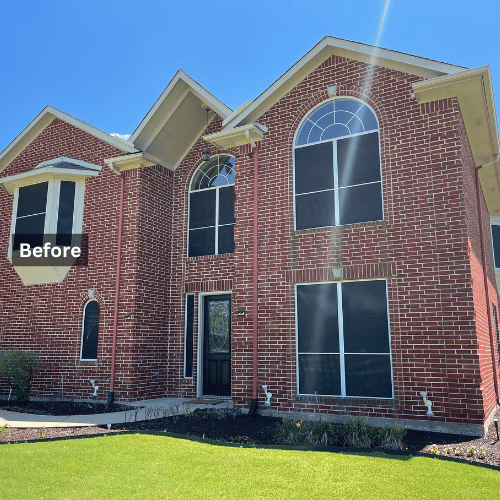
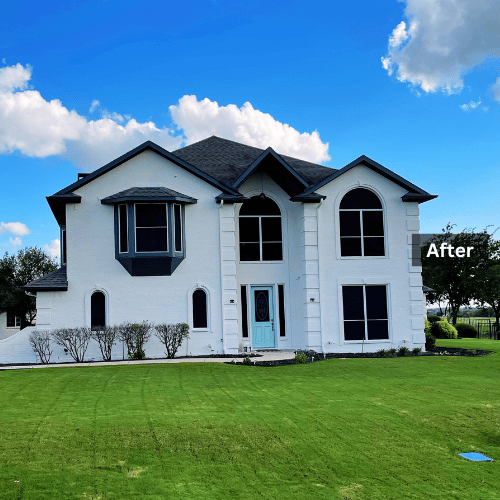
Expert Painting Services for Stunning Transformations
Call Us! (945) 253-0961
At MJ Workforce Solutions, we believe that color has the power to influence moods, evoke emotions, and breathe life into any space. As a premier painting company in Allen, TX, we specialize in harnessing the magic of color to create inspiring living and working environments. Whether you’re looking to refresh your home’s interior, rejuvenate its exterior, or transform your commercial space, our team of skilled painters is here to exceed your expectations.
With a simple call to (945) 253-0961, you unlock a world of possibilities for your property. Our seasoned experts are not just painters; they are artists who understand the nuances of color harmony, texture, and design. From choosing the perfect shade to executing flawless finishes, we are dedicated to bringing your vision to life. Your space is a canvas, and we are here to paint your dreams into reality.
Expert Painting Services for Stunning Transformations
Call Us! (945) 253-0961
At MJ Workforce Solutions, we believe that color has the power to influence moods, evoke emotions, and breathe life into any space. As a premier painting company in Allen, TX, we specialize in harnessing the magic of color to create inspiring living and working environments. Whether you’re looking to refresh your home’s interior, rejuvenate its exterior, or transform your commercial space, our team of skilled painters is here to exceed your expectations.
With a simple call to (945) 253-0961, you unlock a world of possibilities for your property. Our seasoned experts are not just painters; they are artists who understand the nuances of color harmony, texture, and design. From choosing the perfect shade to executing flawless finishes, we are dedicated to bringing your vision to life. Your space is a canvas, and we are here to paint your dreams into reality.
Our Comprehensive Approach
Trusted Painters in Allen, TX
Experience and Expertise
With a legacy of excellence spanning years, MJ Workforce Solutions has honed its expertise in every aspect of painting. From residential wonders to commercial marvels, our skilled painters have mastered the art of precision and finesse. Our portfolio showcases a diverse range of projects, each reflecting our commitment to quality and aesthetics. When you choose us, you choose a team that is dedicated to delivering not just a coat of paint, but a masterpiece that stands the test of time.
Quality Materials, Lasting Beauty
We understand that a lasting finish begins with quality materials. That’s why we source the finest paints, coatings, and tools to ensure the longevity and beauty of your project. Our partnerships with reputable suppliers enable us to offer an extensive palette of colors and finishes, giving you the freedom to explore and express your unique style. Whether it’s vibrant accent walls, elegant neutrals, or textured effects, we have the materials and expertise to turn your vision into a tangible reality.
Meticulous Preparation, Flawless Execution
A painting project’s success lies in meticulous preparation. Our team employs a comprehensive approach that includes thorough surface preparation, priming, and attention to detail. We believe that the foundation of a flawless finish is in the preparation, and we invest the time and effort needed to ensure every surface is ready to embrace the color transformation. With a keen eye for detail and a commitment to precision, our painters execute each stroke with finesse, resulting in a finish that wows.
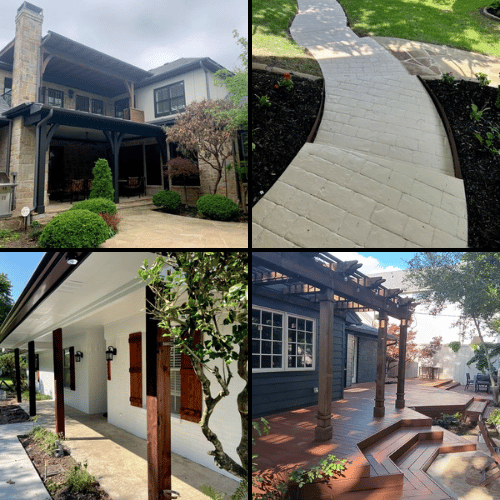
Our Comprehensive Approach
Trusted Painters in Allen, TX
Crafting Your Dream
At MJ Workforce Solutions, we recognize that every space tells a unique story, and we are committed to helping you craft that narrative. Your vision is our guiding light, and our team is dedicated to translating your ideas into reality. Whether you’re aiming for a modern minimalist look, a timeless classical ambiance, or an eclectic fusion of styles, we have the expertise to bring your dream to life. Our painters are not just technicians; they are artisans who take pride in their ability to transform spaces into living works of art.
Unparalleled Customer Experience
Beyond paint and brushes, we are in the business of creating exceptional experiences. Our customer-centric approach ensures that your journey with us is smooth, transparent, and enjoyable. From the initial consultation to project completion, we keep the lines of communication open, addressing your queries, concerns, and preferences promptly. Our goal is to build lasting relationships with our clients, rooted in trust, respect, and satisfaction.
Committed to Excellence
MJ Workforce Solutions stands as a testament to excellence in the painting industry. Our unwavering commitment to delivering top-tier services has earned us a reputation as the go-to painting company in Allen, TX. The foundation of our success is built on a strong work ethic, a passion for creativity, and a dedication to elevating spaces through color and design. With over 100 five-star reviews, our satisfied clients speak volumes about the quality of our work and our unwavering commitment to their happiness.
Your Vision, Our Promise
Give Us a Call! (945) 253-0961
Crafting Your Dream
At MJ Workforce Solutions, we recognize that every space tells a unique story, and we are committed to helping you craft that narrative. Your vision is our guiding light, and our team is dedicated to translating your ideas into reality. Whether you’re aiming for a modern minimalist look, a timeless classical ambiance, or an eclectic fusion of styles, we have the expertise to bring your dream to life. Our painters are not just technicians; they are artisans who take pride in their ability to transform spaces into living works of art.
Unparalleled Customer Experience
Beyond paint and brushes, we are in the business of creating exceptional experiences. Our customer-centric approach ensures that your journey with us is smooth, transparent, and enjoyable. From the initial consultation to project completion, we keep the lines of communication open, addressing your queries, concerns, and preferences promptly. Our goal is to build lasting relationships with our clients, rooted in trust, respect, and satisfaction.
Committed to Excellence
MJ Workforce Solutions stands as a testament to excellence in the painting industry. Our unwavering commitment to delivering top-tier services has earned us a reputation as the go-to painting company in Allen, TX. The foundation of our success is built on a strong work ethic, a passion for creativity, and a dedication to elevating spaces through color and design. With over 100 five-star reviews, our satisfied clients speak volumes about the quality of our work and our unwavering commitment to their happiness.
Your Vision, Our Promise
Give Us a Call! (945) 253-0961
Crafting Your Dream
At MJ Workforce Solutions, we recognize that every space tells a unique story, and we are committed to helping you craft that narrative. Your vision is our guiding light, and our team is dedicated to translating your ideas into reality. Whether you’re aiming for a modern minimalist look, a timeless classical ambiance, or an eclectic fusion of styles, we have the expertise to bring your dream to life. Our painters are not just technicians; they are artisans who take pride in their ability to transform spaces into living works of art.
Unparalleled Customer Experience
Beyond paint and brushes, we are in the business of creating exceptional experiences. Our customer-centric approach ensures that your journey with us is smooth, transparent, and enjoyable. From the initial consultation to project completion, we keep the lines of communication open, addressing your queries, concerns, and preferences promptly. Our goal is to build lasting relationships with our clients, rooted in trust, respect, and satisfaction.
Committed to Excellence
MJ Workforce Solutions stands as a testament to excellence in the painting industry. Our unwavering commitment to delivering top-tier services has earned us a reputation as the go-to painting company in Allen, TX. The foundation of our success is built on a strong work ethic, a passion for creativity, and a dedication to elevating spaces through color and design. With over 100 five-star reviews, our satisfied clients speak volumes about the quality of our work and our unwavering commitment to their happiness.
How Is a Room Prepped for Interior Painting?
Clearing the Room
The first step in preparing a room for painting is to remove as much furniture and decor as possible. This not only provides you with ample space to work but also protects your belongings from paint splashes and spills. For larger pieces that can’t be moved, such as heavy furniture, push them to the center of the room and cover them with drop cloths or plastic sheeting. Ensure that the coverings are secure to avoid any accidental exposure to paint.
Cleaning and Repairing Surfaces
Before painting, it’s important to clean the walls thoroughly. This can be done with a sponge and a mild detergent to remove dirt, dust, and grease spots, which can affect the paint’s adhesion. After cleaning, inspect the walls for any holes, cracks, or imperfections. Use spackle or a similar product to fill these in and then sand the surfaces smooth once dry. This step is vital for achieving a professional-looking finish, as paint tends to highlight imperfections.
Taping and Covering
Protect areas that you don’t want to be painted, such as window frames, door frames, baseboards, and trim. Use painter’s tape to cover these areas. The tape should be applied firmly to prevent paint from bleeding underneath but also needs to be easy to remove without leaving residue. Protect the flooring with drop cloths or old sheets. Unlike plastic, cloths are less slippery and absorb paint drips better, reducing the risk of accidents.
Priming the Walls
In some cases, applying a primer before painting is recommended, especially if you’re painting over a darker color, painting on new drywall, or dealing with stains. Primer provides a smooth, even base for the paint, improves paint adhesion, and can help in achieving true color with fewer coats of paint. After the primer has dried, the room is ready for painting. This preparatory work, while time-consuming, sets the stage for a more efficient painting process and a more beautiful, long-lasting finish.
What is the best way to clean and prepare exterior surfaces for painting?
Inspection and Repairs
The first step is a thorough inspection of the exterior surfaces. Look for any signs of damage such as cracks, rot, mold, or mildew. Areas with peeling or chipped paint should also be identified. It’s important to repair these problems before painting. This might involve replacing damaged wood, filling cracks with exterior-grade filler, and sanding down rough spots. Ensuring the integrity of the surface helps in achieving a smooth and durable paint finish.
Cleaning the Surfaces
Once repairs are made, the next step is to clean the exterior thoroughly. Over time, exteriors accumulate dirt, dust, and grime that can interfere with paint adhesion. Use a pressure washer or a long-handled brush with a mixture of water and mild detergent to clean the walls. Be cautious with the pressure washer to avoid damaging the siding or forcing water under the siding. In cases of mold or mildew, a solution of bleach and water may be necessary. Allow the surface to dry completely before proceeding to the next step.
Sanding and Scraping
After the surface is clean and dry, scrape off any loose or peeling paint. This step is crucial for surfaces previously painted with oil-based paint or those showing signs of significant wear. Following scraping, sand the surfaces for a smoother finish. Sanding helps to create a better surface for the new paint to adhere to and can also smooth out any roughness left from scraping. Focus on feathering out the edges of old paint to ensure a smooth transition to the bare surface.
Priming
The final preparation step is applying a high-quality primer. Priming is especially important for exterior surfaces because it helps in sealing the surface, protecting it from moisture, and ensuring better adhesion of the paint. Choose a primer suitable for the surface material and the type of paint you will be using. For example, wood, stucco, and metal each require different types of primers. Once the primer is dry, the surface is ready for painting. Thorough preparation, although time-consuming, is the key to a long-lasting and aesthetically pleasing exterior paint job.
What are the signs that it's time to repaint?
Fading Paint
One of the most obvious signs that it’s time to repaint is when the paint color starts to fade. This is particularly noticeable with exterior paint, which is exposed to sunlight and can fade more quickly. Fading is not just an aesthetic issue but also an indication that the paint’s protective qualities are diminishing. For interior paint, fading can occur in rooms with a lot of sunlight or from artificial light sources. If the original color of the paint seems noticeably lighter or different in high-exposure areas, it’s a sign that you should consider a new coat of paint.
Peeling or Cracking Paint
Peeling or cracking paint is a clear sign that the existing paint is failing. This is often caused by exposure to moisture or extreme temperature changes, especially on exterior surfaces. Inside the house, peeling paint can be a result of high humidity levels, such as in bathrooms or kitchens. Not only is peeling or cracking paint unsightly, but it also exposes surfaces to the elements, potentially leading to more significant damage, such as wood rot or drywall deterioration.
Chalking
Chalking is a condition where the paint surface develops a powdery residue. This often happens to exterior paint after prolonged exposure to sunlight and weather. It’s a sign that the paint is breaking down and can no longer provide adequate protection to the underlying material. If you notice a chalky residue when you run your hand across the painted surface, it’s time to plan for a repaint.
Damage and Stains
For interiors, signs such as stains, water marks, or mold growth indicate that the current paint is no longer providing adequate protection and could be hiding further damage. In the case of exterior painting, look for signs of moisture damage, wood rot, or mold and mildew growth. These issues often require more than just a new coat of paint; the underlying cause of the damage should be addressed before repainting. Regularly inspecting your home and addressing these signs promptly can not only improve its appearance but also prevent more extensive and costly repairs in the future.