Drywall Installation and Painting Coordination Made Easy
The fastest way to blow a remodeling schedule in Allen, TX is to let drywall and painting get out of sync. One delay in drywall finishing can push back cabinet installs, flooring, and even move-in dates. On the flip side, when drywall installation, repairs, and painting are coordinated as one continuous process, projects wrap up days—sometimes weeks—earlier, with cleaner results and fewer callbacks.
Nationally, materials and labor for drywall and paint can account for 15–25% of an interior renovation budget. In fast-growing suburbs like Allen, where timelines are tight and home values are rising, that’s a big slice of your investment riding on how well these two trades work together.
This guide walks you through how to streamline drywall installation and painting so they support each other instead of competing for space and time. You’ll see how scheduling, surface preparation, and clear communication can transform messy, drawn‑out projects into smooth, predictable upgrades—whether you’re refreshing a single room or tackling a whole‑home remodel.
Key Insight: Treat drywall, texture, and painting as one integrated system—not separate line items—and you get better finishes, fewer surprises, and a faster return to normal life in your Allen home.
Why Coordination Matters So Much in Allen Homes
In Allen, many homes were built during rapid growth phases. That means you see a mix of older drywall, popcorn ceilings, and newer additions—all under one roof. When you combine that with North Texas humidity swings and foundation movement, coordinating Drywall Services and painting becomes more than a convenience; it’s risk management.
Common issues we see when drywall and painting are handled separately:
- Painters arrive before joint compound is fully cured, leading to flashing and visible seams.
- Drywall repairs are missed until after the first coat of paint, forcing rework.
- Texture doesn’t match existing walls or ceilings, so the paint highlights the patch instead of hiding it.
- Cabinet and trim installers damage fresh walls, requiring last‑minute Drywall Repair and touch‑ups.
A recent Allen project illustrates this. A homeowner was updating a kitchen and living room in a 1990s house. The general contractor originally planned to use one crew for Drywall Installation and another for paint, scheduled a week apart. After some advice, they opted for a single coordinated team to handle drywall, texture matching, priming, and painting.
Result:
- No gaps between trades—work moved seamlessly from hanging board, to Drywall Finishing, to painting.
- Texture and color transitions between old and new spaces were virtually invisible.
- The project wrapped three days early, saving on labor overhead and reducing disruption.
“The best interior finish work looks boring—in the sense that you don’t notice it at all. That only happens when drywall and paint are planned together.” — Local Finishing Specialist
CALLOUT: In Allen’s active real estate market, a clean, consistent wall and ceiling finish can make the difference between “just another listing” and a standout showing.
From Bare Studs to Beautiful Walls: A Step‑by‑Step Integrated Process
A smooth project comes from seeing drywall and painting as stages of one continuous workflow. Here’s how that looks in a typical Allen home renovation.
1. Assessment and Planning
Before anyone lifts a knife or roller, a good contractor:
- Walks the space to identify cracks, water damage, and uneven framing.
- Notes areas needing Popcorn Texture Removal or re‑texturing.
- Plans for transitions around cabinets, trim, and doors.
For example, in a Twin Creeks home, we first mapped out all existing imperfections, then scheduled Drywall Patching and texture adjustments around a new built‑in entertainment center. This prevented “surprise” repairs after painting started.
2. Drywall Installation and Repair
This phase includes:
- Hanging new board or replacing damaged sections.
- Taping, mudding, and sanding joints.
- Addressing settlement cracks common in North Texas foundations.
3. Texture and Surface Preparation
Once the substrate is sound, the focus shifts to:
- Matching existing textures (orange peel, knockdown, smooth) so repairs disappear.
- Completing any ceiling work, including popcorn removal and re‑texturing.
- Final sanding and inspection under good lighting.
This is where coordination is critical. If the same team handles both texture and paint, they can adjust texture slightly to suit the planned finish—especially for accent walls or Faux Painting.
4. Priming and Painting
Only after all drywall work is fully cured and dust‑free should priming begin. A well‑coordinated team:
- Uses appropriate primers for patched areas and new board.
- Seals stains to prevent bleed‑through.
- Chooses finishes (matte, eggshell, semi‑gloss) based on room use.
In one Allen home office conversion, we combined new drywall, a smooth level‑5 finish on one feature wall, and a darker color for Accent Wall Painting. Because the same crew controlled the entire process, the transition between standard and premium finishes was flawless.
CALLOUT: Each stage builds on the previous one. Rushing or skipping steps early on always shows up later—in your paint.
Modern Coordination vs. Old‑School “Patch and Paint”
Homeowners in Allen often ask why they should bother with an integrated approach when a “patch and paint” job seems cheaper. Here’s how the two approaches stack up.
Traditional vs. Modern Approach
| Aspect | Traditional “Patch & Paint” | Integrated Drywall + Paint Coordination |
|---|---|---|
| Scheduling | Separate trades, gaps between work | Single schedule, continuous workflow |
| Communication | Homeowner as go‑between | One point of contact for both scopes |
| Texture Matching | Often approximate | Planned and tested to match existing surfaces |
| Risk of Rework | High (missed repairs, callbacks) | Lower (full inspection before painting) |
| Overall Timeline | Longer due to trade handoffs | Shorter, fewer stops and starts |
| Final Appearance | Acceptable but inconsistent | Consistent, “like new” surfaces |
| Long‑Term Durability | Variable | Better adhesion and crack resistance |
In an Allen rental property near Watters Creek, the owner originally hired a handyman to do quick patches and paint between tenants. Cracks reappeared within months, and mismatched textures were obvious in listing photos. On the next turnover, they opted for a coordinated drywall and paint team:
- All stress cracks were cut out and properly reinforced.
- Texture transitions were feathered across larger areas.
- A high‑quality primer and paint system was applied.
Vacancy time dropped because the unit showed better, and the owner hasn’t needed additional drywall touch‑ups for three lease cycles.
“Cut‑rate patch jobs almost always cost more in the second and third round. A solid, coordinated system pays for itself in stability and fewer surprises.” — Regional Property Manager
Coordinating Drywall with Cabinet, Trim, and Finish Work
Drywall and wall paint don’t exist in a vacuum. They interact closely with cabinets, doors, trim, and built‑ins—especially in kitchens and bathrooms. Smart coordination here prevents a lot of headaches.
Kitchen and Bath: The High‑Impact Zones
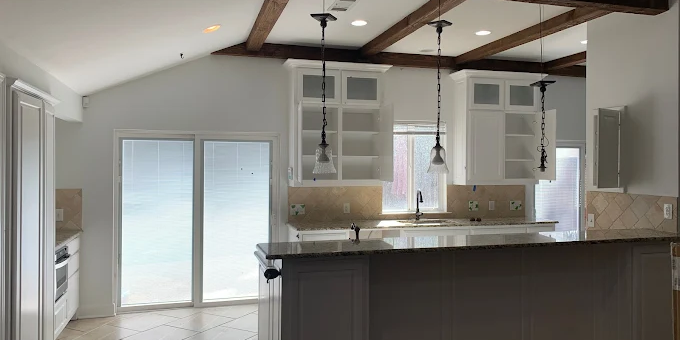
In Allen’s many kitchen remodels, timing is everything. A typical sequence might be:
1. Demolition and rough trades (plumbing, electrical).
2. Drywall repairs or new installation.
3. Texture and prime.
4. Cabinet installation.
5. Cabinet Painting or Kitchen Cabinet Staining.
6. Final wall and ceiling coats.
If drywall and painting are coordinated, the team can:
- Protect primed walls during cabinet installs.
- Adjust wall color to complement new Cabinet Refinishing or Cabinet Color Change.
- Schedule final touch‑ups after all trades are finished.
In a recent Allen kitchen update, the homeowner wanted a full cabinet transformation with new wall colors. The integrated team:
- Repaired drywall behind removed soffits.
- Primed and painted walls in two stages—before and after cabinet work.
- Finished with a durable enamel on cabinets and a washable eggshell on walls.
The result felt like a full gut‑renovation, but with less downtime and disruption.
Trim, Doors, and Windows
Coordinating Trim Painting, Door Painting, and Window Frame Painting with drywall work:
- Ensures caulking and sealing at joints are done once, correctly.
- Prevents paint build‑up on edges from multiple unplanned touch‑ups.
- Creates crisp lines where walls meet trim.
CALLOUT: In integrated projects, every finish—walls, cabinets, trim—supports the overall design. Nothing looks like an afterthought.
Texture, Wallpaper, and Specialty Finishes: Getting the Details Right
Allen homes run the gamut from smooth modern interiors to heavy knockdown textures and feature walls with decorative finishes. Coordinating drywall and painting is especially important when adding or removing specialty surfaces.
Texture Matching and Popcorn Removal
Older Allen neighborhoods still have plenty of popcorn ceilings. Removing them and blending the new ceiling with existing walls is a delicate process. A coordinated team will:
- Perform Popcorn Texture Removal carefully to protect drywall.
- Repair any gouges or nail pops uncovered during removal.
- Apply new texture that matches the home’s style.
- Prime and paint ceilings with the right flat or matte finish to hide minor imperfections.
In one Bethany Lakes home, the owners removed popcorn from the main living areas but left bedrooms for later. The team matched the new ceiling texture to existing walls so the transition at doorways felt natural, not jarring.
Wallpaper: Installation and Removal
Wallpaper is making a comeback in Allen, especially in powder rooms and feature walls. Poor coordination can lead to seams showing, peeling edges, or visible drywall flaws under the paper.
A drywall‑painting‑wallpaper team can:
- Perform proper Wallpaper Removal without tearing the drywall facing.
- Skim coat and sand walls to a smooth, even finish.
- Prime with the correct wallpaper primer.
- Handle Wallpaper Installation so patterns align and seams stay tight.
“Wallpaper is only as good as the wall underneath it. If the drywall isn’t right, the paper will tell on you.” — Design‑Build Contractor, Collin County
Decorative and Faux Finishes
For Faux Finishing or Decorative Painting, surface prep is even more critical. Glazes, metallics, and washes can highlight every flaw. Coordinated teams:
- Upgrade the level of finish (e.g., from standard to level‑5 smooth) where needed.
- Test sample areas with planned glazes or specialty paints.
- Use Accent Wall Painting strategically to draw attention away from less‑than‑perfect surfaces.
CALLOUT: Specialty finishes are an investment. Proper drywall and prep protect that investment by giving the finish a stable, beautiful foundation.
Exterior Walls, Decks, and Floors: Extending Coordination Beyond the Interior
While drywall is an interior material, the principles of coordination extend to your home’s envelope and outdoor living areas in Allen. Managing all surfaces as a system gives you better durability and curb appeal.
Exterior Painting and Surface Prep
On the outside, Exterior House Painting benefits from the same disciplined approach:
- Thorough Paint Removal or Paint Stripping where needed.
- Pressure Washing to remove dirt and chalking.
- Caulking and Sealing joints and gaps.
- Proper Surface Preparation and Priming Services before topcoats.
Allen’s hot summers and occasional hail mean any weak point in the exterior system will show up quickly. Coordinating interior drywall repairs with exterior envelope work—especially after storm damage—helps keep moisture out and interior finishes stable.
Decks, Fences, and Floors
Outdoor and floor finishes also benefit from a system mindset:
- Deck Staining and Sealing and Deck Painting protect surfaces from sun and moisture, reducing the risk of water intrusion that can damage nearby drywall.
- Fence Painting and Fence Staining keep property lines looking sharp for HOA standards.
- Garage Floor Painting, Epoxy Floor Coating, or Concrete Floor Coating in garages and shops improve durability and make it easier to spot leaks or spills before they migrate to walls.
In an Allen three‑car garage conversion, the homeowner combined new interior walls, insulation, and an Epoxy Floor Coating. Coordinating the timeline ensured that dust from drywall sanding didn’t contaminate the floor coating, and floor masking didn’t damage fresh walls.
What This Means for Businesses and Homeowners in Allen, TX
Allen’s growth has created a competitive environment for both homeowners and local businesses. Whether you’re refreshing an office suite off US‑75 or updating a family home near Celebration Park, coordinated drywall and painting work offers tangible advantages.
For homeowners:
- Higher resale appeal. Buyers in Allen are savvy. They notice wavy walls, cracked corners, and mismatched textures. Integrated drywall and painting upgrades present a unified, “move‑in ready” look that can justify higher asking prices.
- Less disruption. Many Allen families juggle commutes, kids’ activities, and remote work. A single, well‑planned project is far easier to live through than multiple disjointed visits from different trades.
- Better long‑term performance. Proper prep, texture, priming, and finish systems hold up better to kids, pets, and Texas weather swings.
For local businesses and property managers:
- Faster turnarounds. Coordinated interior painting and drywall repair between tenants or during office renovations means less downtime and quicker returns.
- Consistent branding. Smooth, consistent finishes support brand image in lobbies, conference rooms, and customer‑facing spaces.
- Predictable budgets. Fewer change orders and callbacks mean more reliable cost control.
Allen is a community that values appearance and function—from well‑kept HOAs to bustling retail centers. Treating drywall, texture, and paint as a coordinated system helps your property keep pace with that standard while protecting your investment.
Frequently Asked Questions
Q: How far in advance should I schedule drywall and painting together for my Allen project?
A: For most Allen homes, booking 3–6 weeks ahead is ideal, especially during spring and early summer when remodeling peaks. Coordinating Drywall Installation, Drywall Repair, and Interior Painting as one scope lets your contractor build a realistic timeline that accounts for drying and curing times. Larger projects—like whole‑home repaints with Popcorn Texture Removal or extensive Wallpaper Removal—may need even more lead time. If you’re targeting a specific date (a move‑in, listing, or business opening), share that up front so the schedule can be backward‑planned from your deadline.
Q: Can you match my existing wall and ceiling textures, or will repairs always show?
A: With the right process, most textures in Allen homes can be matched very closely. A good crew will study your existing finish, test Texture Matching techniques on sample areas, and feather repairs over a larger section so the transition is gradual. After proper priming and Interior Painting, many homeowners can’t find the original repair locations. Extremely old or heavily painted textures may require blending or re‑texturing full walls or ceilings for best results, but an integrated drywall and painting team will walk you through options before work starts.
Q: We’re remodeling our Allen kitchen. Should cabinets or drywall/paint come first?
A: In most cases, you want drywall repairs and basic priming done before cabinets go in, then final wall paint after cabinet installation and Cabinet Painting or Kitchen Cabinet Staining. This sequence protects your new cabinets from overspray and lets your painter cut clean lines where walls meet boxes and trim. When drywall and paint are coordinated with your cabinet schedule, the team can also adjust wall color to complement your Cabinet Refinishing or Cabinet Color Change, creating a cohesive look without extra visits.
Q: What if I only need a few drywall patches? Is coordination still worth it?
A: Even small Drywall Patching benefits from coordinated painting, especially in high‑visibility areas. Minor repairs can stand out if texture and sheen don’t match. A combined drywall and paint visit ensures the patch is properly finished, primed, and blended with surrounding walls. For Allen homeowners preparing to sell, this is particularly important—buyers and inspectors often notice “spot fixes” that weren’t painted correctly. Having one team handle both steps reduces the risk of obvious touch‑ups and avoids paying separate trip charges.
Q: How do you handle dust and mess during drywall sanding and painting?
A: A professional crew will take containment seriously, especially in occupied Allen homes. That includes plastic sheeting to isolate work zones, floor protection, and dust extraction tools for sanding. When Drywall Finishing and Interior Painting are coordinated, the team can minimize how often spaces are opened and closed, which reduces dust spread. They’ll also sequence work so the messiest steps (like sanding and Paint Removal) happen before sensitive finishes like Floor Coating or Faux Painting.
Q: Does coordinated drywall and painting cost more than hiring separate contractors?
A: Line‑item prices may look similar or even slightly higher for an integrated service, but overall project cost is often lower. Coordinated crews in Allen reduce duplicated setup time, prevent rework from poor communication, and streamline Surface Preparation and Priming Services. That means fewer change orders and callbacks. There’s also value in shorter project duration—less time off work, fewer days living in a construction zone, and faster readiness if you’re listing a property or turning over a rental.
Q: Can I add other services, like deck or fence work, to the same project?
A: Yes, and in Allen it often makes sense to bundle services. Combining interior drywall and Exterior Painting with Deck Staining and Sealing, Fence Painting, or Garage Floor Painting allows your contractor to optimize crew scheduling and material orders. It also gives you a unified color and finish plan across your property. Just be sure to discuss priorities and timing—some work is seasonal, and certain coatings require specific temperature and humidity ranges common to North Texas.
Ready to Get Started?
Coordinating drywall installation, repairs, and painting isn’t just a nice‑to‑have—it’s the difference between a project that drags on with constant touch‑ups and one that finishes on time with beautiful, lasting results. In a fast‑moving market like Allen, TX, there’s real value in doing it right the first time.
If you’re planning a remodel, tackling storm damage, or simply tired of staring at cracks and dated textures, this is the ideal moment to line up a team that can manage the entire process: Drywall Services, texture, Interior Painting, and even related upgrades like Cabinet Painting or Floor Coating.
Schedules in Allen fill up quickly, especially ahead of listing season and before the hottest summer months. Securing your spot now means you can plan around your family or business calendar instead of the other way around.
Talk through your goals, timeline, and budget with a local expert, and get a coordinated plan that takes you from rough walls to a polished, move‑in‑ready space—without the usual chaos.
About MJ Workforce Solutions
MJ Workforce Solutions is a locally focused painting and finishing company serving Allen, TX and surrounding areas. Our team specializes in coordinated drywall repair, texture, interior and exterior painting, and related services like cabinet refinishing and protective floor coatings. With years of experience in North Texas homes and businesses, we understand the unique demands of our climate and construction styles, and we’re committed to delivering clean, durable finishes that stand the test of time. Learn more about our services at mjhomepainters.com.